
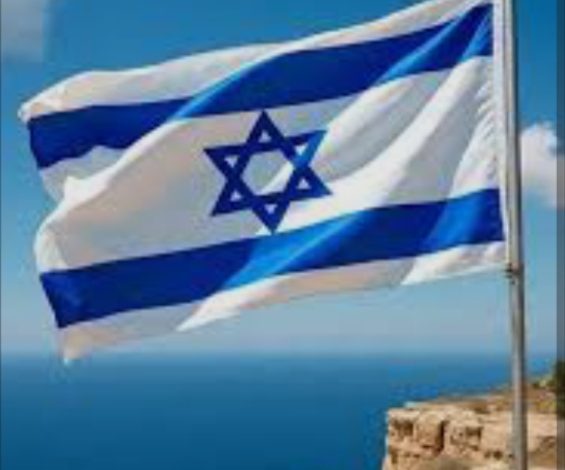
A coalition of leading Arab and Muslim nations has strongly condemned a controversial new Israeli law that allows the death penalty to be imposed in the occupied West Bank. The sharp rebuke marks one of the most forceful diplomatic responses yet to recent legislative actions by the Israeli government.
In a joint statement released on April 2, 2026, the foreign ministers of Saudi Arabia, Egypt, Jordan, Indonesia, Pakistan, Türkiye, Qatar, and the United Arab Emirates rejected the legislation, describing it as a “dangerous escalation” that could directly target Palestinian prisoners.
The ministers warned that the law forms part of a broader pattern of discriminatory policies against Palestinians in the occupied territories. According to them, the measure reflects a system that increasingly undermines the basic rights and existence of Palestinians.
Using unusually strong language, the statement accused the Israeli government of deepening policies that resemble an apartheid-like structure within the territories under its control. The ministers said such measures reinforce divisions and inflame tensions in the already volatile region.
The coalition also raised serious concerns about the conditions faced by Palestinians in Israeli detention facilities. Citing what they described as credible reports, the ministers alleged that detainees have faced abuses including torture, degrading treatment, starvation, and denial of basic legal protections. They argued that these incidents represent a wider pattern of human rights violations rather than isolated cases.
Reaffirming their opposition to what they called discriminatory and aggressive policies, the eight countries urged the international community to step up pressure and pursue concrete actions to protect regional stability.
They concluded with a warning that the new legislation could further escalate tensions and jeopardise any remaining chances of peace, especially as critics say new laws passed by the Knesset risk institutionalising a two-tier legal system based on ethnicity in the occupied territories.