Tensions Escalate Between Ghana and Nigeria Over Detained Vegetable Trucks
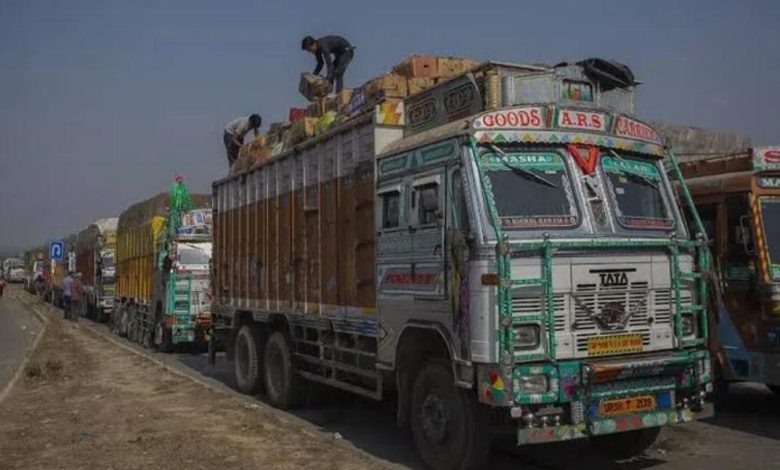
A crisis is brewing between Ghana and Nigeria as several trucks carrying onions and vegetables to Ghana remain detained in Kebbi State, Nigeria, amidst rising tensions between traders from both countries. The drivers of the trucks, who have been stranded for almost three days, are pleading for help as their perishable goods are on the verge of spoilage.
According to reports, the trucks were stopped by suspected armed men in Kebbi State, with the drivers alleging that their cargo is being held hostage. The incident is reportedly linked to a dispute between Nigerian onion traders in Accra, Ghana, and their Ghanaian counterparts. The Nigerian traders claim that their goods were prevented from being offloaded in Ghana, leading to retaliatory action by Nigerian authorities.
The affected drivers are appealing to the Ghanaian government, particularly the Ministry of Foreign Affairs, to intervene and secure their release. “We’re just praying that the Ghanaian government will come to our aid, we don’t know what to do,” one of the drivers said in a desperate plea.
The situation highlights the fragility of cross-border agricultural trade in West Africa, where informal arrangements and trader associations often play a central role in distribution. Ghana and Nigeria are key players in the regional trade, with Ghana relying heavily on Nigerian onions and other vegetables to meet its food demands.
The detention of the trucks has raised concerns about the potential impact on Ghana’s vegetable market. With the goods already in transit for several days, the delay is likely to lead to significant losses for the traders and farmers involved. Ghana’s vegetable market is already experiencing a shortage, and the detention of these trucks is expected to exacerbate the situation.
The Ghanaian government has yet to officially comment on the incident, but sources indicate that the Ministry of Foreign Affairs is working behind the scenes to resolve the issue. Nigerian authorities, on the other hand, have attributed the detention to a dispute between traders, stating that the goods are being held pending resolution of the issue.
As the standoff continues, traders and farmers on both sides of the border are bracing for the worst. “This is not just a trade issue, it’s a humanitarian crisis,” said a Ghanaian trader. “Those vegetables are meant to feed our people, and now they’re just rotting away.”
The incident has also raised questions about the security of cross-border trade in the region. With the Economic Community of West African States (ECOWAS) promoting regional trade and integration, the detention of the trucks is seen as a setback to the efforts.
As the situation unfolds, one thing is clear: a resolution is urgently needed to prevent further losses and tensions between the two countries. The Ghanaian government must take swift action to secure the release of the trucks and their cargo, while also working to resolve the underlying trade disputes.
In the meantime, traders and farmers are left to pick up the pieces, hoping that diplomacy will prevail and the trucks will be released soon. The situation serves as a reminder of the challenges of cross-border trade in West Africa, where informal arrangements and trader associations play a significant role.
As the region’s economies continue to grow, the need for effective trade mechanisms and dispute resolution frameworks becomes increasingly pressing. The detention of the vegetable trucks is a stark reminder of the importance of cooperation and dialogue in resolving trade disputes.
The incident has sparked concerns about the future of Ghana-Nigeria trade relations, with some analysts predicting a possible escalation of tensions. However, others believe that the two countries will work together to resolve the issue, given their strong economic ties and commitment to regional integration.
As the story continues to unfold, one thing is certain: the eyes of the region are on Ghana and Nigeria, waiting to see how they will resolve this crisis.