
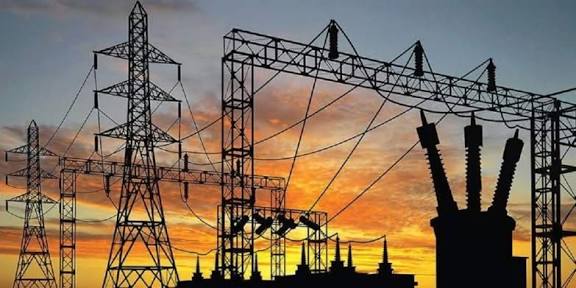
As of Friday, January 23, 2026, many parts of Nigeria are having power issues. People are experiencing blackouts because the electricity supply is not steady. This problem is happening because the national grid is under a lot of pressure and has failed a bunch of times recently, even though people have been trying to fix it.
There hasn’t been an official announcement about the grid collapsing completely today, but people in the industry and everyday users are saying that there are major electricity supply problems. These problems seem to be connected to bigger issues in the power industry. Distribution companies and consumers have noticed that they’re getting less electricity, having more frequent outages, and dealing with load shedding in different areas. This shows that the grid is still pretty fragile.
Experts have said over and over that the grid is unstable because of a few things: weaknesses in how the system is set up, and problems with the energy supply. Recent reports say that the grid is working way too hard, and the amount of electricity being generated is way lower than what Nigeria needs for its population and economy. Around the end of January, electricity generation was at about 4,140 megawatts, which is not enough for a country with over 200 million people.
One of the reasons for the strain is that thermal power plants aren’t getting enough gas. In early January, officials from the Nigerian Independent System Operator said that pipeline vandalism had cut fuel supplies, which hurt the grid and made it more likely to have problems.
Even with these issues, authorities have been able to get parts of the grid up and running again after outages. In late December 2025, they said that power had been restored everywhere in the country after a system issue earlier that week. Teams worked to get the network stable, and officials mentioned that they’d keep looking into the incident to try to stop future outages.
To deal with the ongoing outages and grid problems, the government and energy people are starting to look at longer-term solutions. One idea is to expand off-grid options, like mini-grids with solar panels and batteries. These systems could help communities get power without relying on the main grid. There are plans to set up a lot of these mini-grids in the first part of 2026 to help with power shortages and make things more reliable.
For regular people, this power situation means they don’t have consistent access to electricity. They have to use generators a lot, which costs households and businesses more money. People in cities and rural areas have reported that the power supply isn’t steady throughout the day, and some areas are getting way less power than they should.
Social media is full of people talking about the blackouts and asking power companies when the power will be back on. Many Nigerians are still annoyed with how unstable the power supply is, and they’re saying that these long outages are hurting productivity, comfort, and services.
As the grid keeps dealing with supply and infrastructure problems, energy authorities are facing more pressure to make changes that could make things more stable. Experts think that making sure there’s a secure gas supply, fixing transmission networks, and increasing the use of renewable energy could help reduce outages in the long run.
For now, a lot of Nigerians are just trying to deal with the changing power supply levels. They’re waiting for updates from the Transmission Company of Nigeria (TCN), distribution companies, and regulatory agencies about plans to make things more reliable and reduce how often blackouts happen.
The situation is still changing, and things in the energy industry will likely keep going on throughout 2026 as people try to stabilise Nigeria’s power grid and reduce the pressure on the country’s infrastructure.





Nigeria factor na wa