
London Transport Chaos Returns as Strikes and Disruptions Paralyze Commuters
Fresh wave of delays, cancellations, and commuter frustration grips the UK capital amid ongoing transport challenges

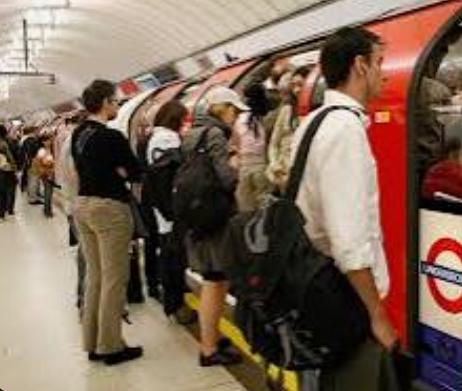
UK— London commuters woke up to another day of frustration as fresh transport disruptions swept across the city, triggering widespread delays and overcrowding on key routes. The latest wave of chaos has once again exposed the fragility of the capital’s transport network, with thousands of passengers struggling to get to work, school, and essential appointments.
Across the city, services on major rail lines and parts of the underground network were either delayed or suspended, leaving commuters scrambling for alternatives. Long queues formed at bus stops, ride-hailing services experienced surging demand, and many Londoners were forced to walk long distances to reach their destinations.
Widespread Disruptions Across Key Routes
Early morning reports indicated that several train operators were running reduced timetables, while some routes experienced complete shutdowns due to operational issues and staff shortages. Passengers attempting to travel into central London faced significant delays, with journey times doubling in some cases.
The situation was particularly severe on routes serving major commuter hubs, where overcrowding quickly became a safety concern. Transport officials were forced to implement crowd control measures at certain stations to prevent dangerous congestion on platforms.
Meanwhile, parts of the underground network also experienced disruptions, further compounding the problem. Signal failures and technical faults were cited as contributing factors, although ongoing industrial tensions have continued to cast a shadow over service reliability.
Commuters Voice Frustration
For many, the latest disruption felt like déjà vu. Over recent months, the city has experienced repeated episodes of transport chaos, often linked to strikes, staffing shortages, and infrastructure challenges.
“I left home two hours earlier than usual and still ended up late,” one commuter said while waiting at a packed station. “There’s no consistency anymore—you just don’t know what to expect each day.”
Another passenger described the situation as “unsustainable,” pointing out that rising fares have not been matched by improvements in service quality.
Social media platforms quickly filled with complaints, photos of overcrowded trains, and videos showing packed platforms, highlighting the scale of the disruption and the growing public frustration.
Impact on Businesses and Daily Life
The ripple effects of the transport chaos extended far beyond individual commuters. Businesses across central London reported staff arriving late or being unable to make it to work at all. Some employers were forced to delay opening hours, while others shifted to remote work arrangements where possible.
Retailers and hospitality venues also felt the impact, with reduced foot traffic during peak hours. Industry experts warn that repeated transport disruptions could have longer-term economic consequences if reliability issues persist.
Parents faced additional challenges as school runs were disrupted, while healthcare workers reported difficulties reaching hospitals and clinics on time.
Authorities Respond to the Crisis
Transport authorities acknowledged the disruption and apologized to passengers, urging commuters to check travel updates before setting out. Officials emphasized that efforts were being made to restore normal service as quickly as possible.
A spokesperson for Transport for London (TfL) said:
“We understand how disruptive these issues are for our customers and we are working hard to minimize the impact. Our teams are addressing the technical faults and coordinating with operators to improve service reliability.”
Rail operators also issued statements attributing the disruption to a combination of factors, including infrastructure issues and operational constraints.
Ongoing Industrial Tensions
Underlying the latest disruption is a broader issue that has plagued the UK transport sector for months—industrial action. Disputes over pay, working conditions, and job security have led to repeated strikes, creating uncertainty for passengers and operators alike.
Union representatives have argued that workers are facing increasing pressure amid rising living costs, while transport authorities maintain that financial constraints limit their ability to meet all demands.
Although not every disruption is directly linked to strike action, the ongoing tensions have contributed to an unstable operating environment, making it more difficult to maintain consistent service levels.
Calls for Long-Term Solutions
Transport analysts say the recurring nature of these disruptions points to deeper structural challenges within London’s transport system. Aging infrastructure, funding pressures, and workforce issues are all seen as contributing factors.
Experts are calling for a comprehensive strategy to address these challenges, including increased investment in infrastructure, improved workforce planning, and more effective communication with passengers.
“There needs to be a long-term vision,” a transport analyst noted. “Short-term fixes are not enough to restore confidence in the system.”
Commuters Advised to Plan Ahead
As disruptions continue, commuters are being advised to allow extra travel time and explore alternative routes where possible. Authorities have also encouraged flexible working arrangements to reduce pressure on peak-hour services.
Despite these measures, many Londoners remain frustrated, with some questioning whether the city’s transport network can keep up with growing demand.
A City Under Pressure
London’s transport system is often described as the lifeblood of the city, connecting millions of people each day. However, the latest wave of disruptions has once again highlighted its vulnerabilities.
For now, commuters can only hope that services stabilize in the coming days. But with ongoing challenges and no immediate resolution in sight, the prospect of further disruption remains a real concern.
The renewed transport chaos in London serves as a stark reminder of the challenges facing one of the world’s busiest cities. As authorities work to restore order, the need for lasting solutions has never been more urgent.