
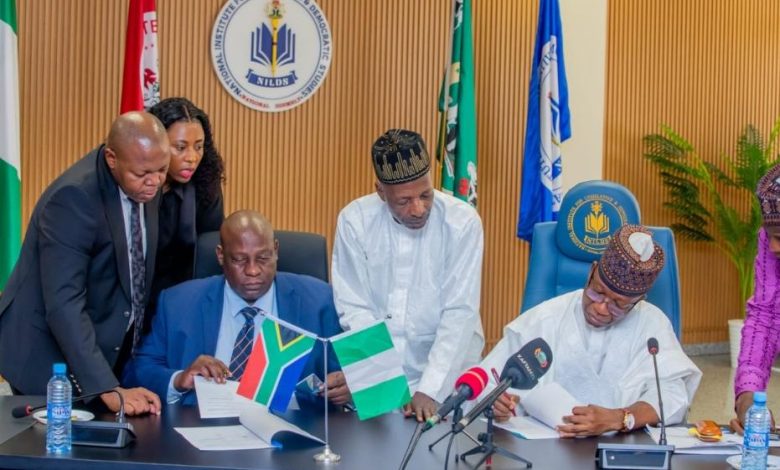
Nigeria has intensified diplomatic engagement with South Africa in an effort to ease growing tensions triggered by renewed anti-foreigner sentiments and protests in parts of the country.
The development comes amid concerns for the safety of foreign nationals, including Nigerians, following reports of demonstrations linked to immigration-related grievances. Authorities in both countries are working to prevent the situation from escalating into broader diplomatic friction.
Background to the Tensions
Recent unrest has been partly associated with controversy surrounding the reported installation of an Igbo traditional leader, known as the Eze Ndigbo, in South Africa. The development reportedly sparked debate within some local communities and added to existing sensitivities around foreign presence in the country.
South Africa has a long and complex history of xenophobic violence, with periodic outbreaks of hostility directed at African migrants, often fueled by economic frustrations and political tensions.
Nigeria’s Diplomatic Response
In response, Nigerian diplomatic officials have taken steps aimed at promoting peace and cultural understanding. One of the key gestures involved the Nigerian High Commission presenting traditional gifts, including livestock, to the Rharhabe Kingdom in South Africa. The symbolic act was intended to show respect for local customs and reinforce goodwill between both nations.
Diplomatic sources indicated that the gesture formed part of broader efforts to reduce tensions and strengthen bilateral relations.
Officials have also reaffirmed Nigeria’s commitment to peaceful engagement, emphasizing the importance of dialogue in resolving misunderstandings between communities.
While no direct official quotes were confirmed at the time of reporting, diplomatic representatives stressed that maintaining strong Nigeria–South Africa relations remains a priority for both governments.
Warnings to Citizens
In parallel with diplomatic outreach, Nigerian authorities have issued safety advisories to citizens residing in South Africa. Nigerians were urged to remain vigilant, avoid areas affected by protests, and comply with local laws.
Business owners and community leaders were also encouraged to take precautionary measures as demonstrations were expected to coincide with national observances in South Africa.
The warnings follow concerns that past protests in the country have sometimes resulted in property damage and attacks on foreign-owned businesses.
Broader Regional Concerns
Analysts note that tensions of this nature often reflect deeper socioeconomic challenges, including unemployment and inequality, which can fuel resentment toward immigrant communities.
Both Nigeria and South Africa remain key economic partners on the African continent, making continued stability between the two nations strategically important.
Nigeria’s latest diplomatic actions reflect an attempt to prevent further escalation and encourage peaceful coexistence amid sensitive regional dynamics. As discussions continue, both governments are expected to prioritize dialogue and cooperation to safeguard citizens and maintain long-standing bilateral relations.