
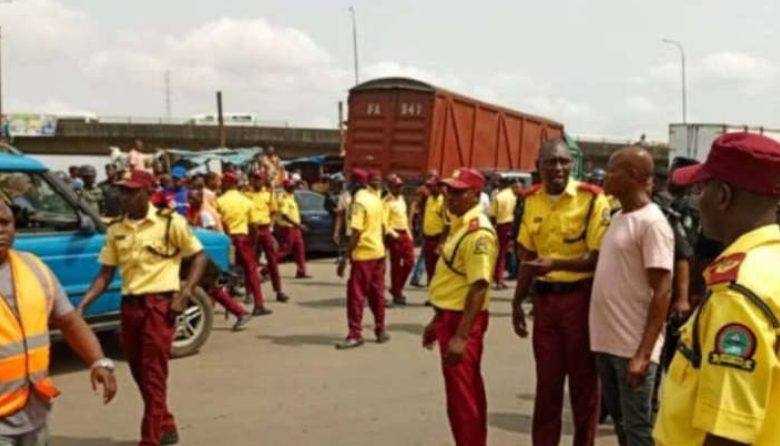
Road safety remains a major concern in Nigeria’s commercial hub, as new data from the Lagos State Traffic Management Authority (LASTMA) reveals a significant number of casualties from road crashes in the first quarter of 2026.
According to the agency, a total of 69 people lost their lives, while 246 others sustained varying degrees of injuries between January and March 2026. The figures reflect ongoing challenges in managing traffic safety across one of Africa’s most populated urban centres.
Lagos continues to experience high traffic density, rapid urban expansion, and increasing road usage, all of which contribute to persistent crash risks.
Rising Concern Over Road Safety
The latest statistics highlight the severity of road incidents within the state. While emergency response systems have improved over time, the number of fatalities and injuries suggests that preventive measures still require stronger enforcement and public compliance.
Officials from Lagos State Traffic Management Authority emphasized that road safety is not solely dependent on enforcement agencies but also on the behavior of motorists, pedestrians, and transport operators.
Although the agency did not issue a direct quotation in the report, it reiterated that ongoing reforms are aimed at reducing accidents and improving response times across major highways and inner-city roads.
Government Efforts to Reduce Accidents
In response to the growing concerns, LASTMA disclosed that it is strengthening its operational capacity across Lagos. This includes upgrading traffic management equipment, deploying additional recovery vehicles, and improving coordination with emergency response units.
The agency also noted that staff training and reorientation programs are ongoing throughout the year to enhance professionalism and quick response during road emergencies.
These measures are designed to address critical issues such as congestion management, breakdown response, and accident evacuation, which often determine survival rates in serious crashes.
Common Causes of Road Crashes in Lagos
Although the report did not break down individual crash causes for the quarter, previous traffic safety trends in Lagos have consistently identified several recurring factors:
Speed violations on major highways
Dangerous driving behaviors, including wrongful overtaking
Poor vehicle maintenance
Traffic rule disobedience
Driving against traffic (commonly known as “one-way” driving)
Distracted driving, including phone use
These factors continue to challenge traffic authorities despite ongoing enforcement campaigns.
Human Impact of Road Accidents
Beyond the numbers, the human cost of road crashes remains significant. Families are often left devastated by sudden loss of loved ones, while survivors may suffer long-term injuries that affect their ability to work and live normally.
Medical facilities across Lagos also continue to report pressure from emergency admissions related to road accidents, especially during peak traffic hours and holiday periods.
Calls for Stronger Compliance
Safety advocates have consistently urged motorists to adopt more responsible driving habits. Authorities stress that while enforcement plays a key role, sustainable reduction in road accidents depends heavily on public cooperation.
Motorists are encouraged to:
Observe speed limits
Maintain vehicle roadworthiness
Avoid reckless overtaking
Follow traffic signals and lane discipline
Reduce distractions while driving
The report from Q1 2026 underscores the ongoing challenge of road safety in Lagos State. Despite efforts by traffic authorities to modernize enforcement systems and improve emergency response, the number of deaths and injuries indicates that more work is needed to change driver behavior and strengthen compliance with traffic laws.
As Lagos continues to expand as a major economic hub, improving road safety remains a critical priority for both government agencies and road users alike.