
Blood Sisters: How Nollywood Turned “Sisterhood” Into a Survival Weapon S1 & S2 Review


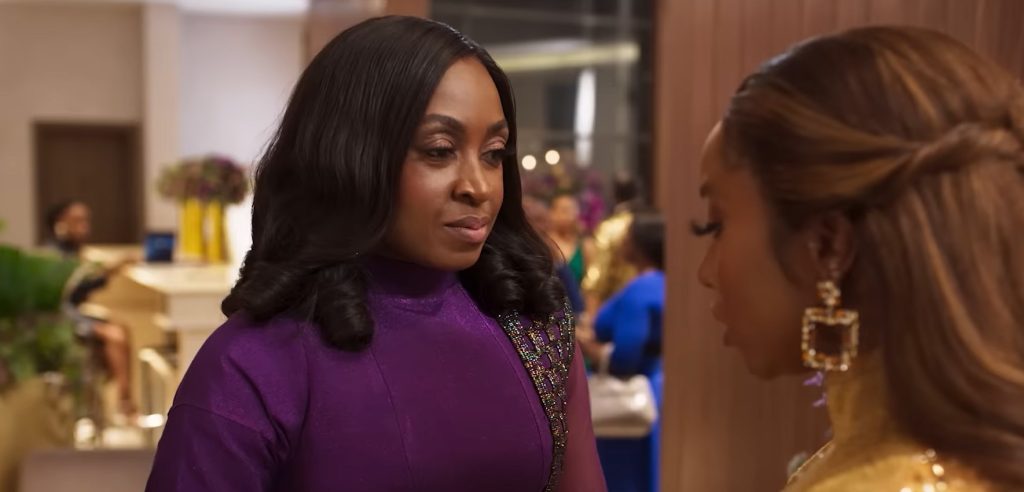
Blood Sisters is a Nigerian thriller television series produced by EbonyLife Studios. The continuation follows the aftermath of Sarah (Ini Dima-Okojie) and Kemi (Nancy Isime) in the lead as their bond is once again tested amidst courtroom drama, family secrets, and survival, released on 5 May 2022 on Netflix.
Blood Sisters Official Trailer Courtesy NETFLIX
Blood Sisters is Nollywood’s answer to “what if Big Little Lies met Lagos traffic and old money?” Biyi Bandele’s thriller didn’t just give us drama; it gave us 8 episodes of secrets, betrayal, and women choosing each other over a broken system.
Here’s the deep dive on both seasons:
The Premise: What It’s About

Season 1: Sarah and Kemi, best friends from different classes, kill Sarah’s abusive fiancé Kola, on their wedding eve. One murder spiralled into lies, kidnappings, and a war with the powerful Ademola family. It’s “run or die” for 4 episodes straight.

Season 2: The sisters are back, but freedom isn’t free. Now it’s about trauma, revenge, and who really pulls the strings in the Ademola empire. The stakes go from “escape Lagos” to “control Lagos”.
What Blood Sisters Did Right – The Pros
- Female-Led, No Apologies
This is the biggest win. Nollywood finally put women’s rage, fear, and loyalty at the centre stage. Sarah and Kemi aren’t “strong female characters” for aesthetics. They’re messy, scared, and make bad choices, but they choose each other. That sisterhood-over-patriarchy theme hit hard. - Class + Domestic Violence, Unfiltered
Season 1 forced conversations we avoid: abuse in “perfect” rich families, how money silences victims, and how police fail women. Kola wasn’t a cartoon villain — he was the charming abuser too many Nigerian women know. That realism made it hit. - Production Value Levelled Up
For a Netflix Naija series in 2022, the cinematography, sound, and Lagos shots were premium. The car chases, the Ademola mansion, even the tension in small rooms — it felt cinematic, not “soap opera”. - Cliffhangers that Actually Work
Every episode ended with you shouting, “Ahh!” Season 1’s pacing was tight. No unnecessary subplots. Just tension → twist → repeat.
Where It Stumbled – The Cons

- Season 2 Pacing Issues
Season 1 was a sprint. Season 2 is a chess game. Some fans loved the slower, more political turn. Others felt it lost the “run for your life” urgency. Too much boardroom talk, less street tension. - Plot Convenience
Both seasons rely on “Lagos people just don’t use CCTV” logic sometimes. And the Ademola family survives things that would bury real Nigerian dynasties. You have to suspend disbelief for the thriller to work. - Underdeveloped Male Characters
Aside from Kola, the men felt like props to move the women’s story. Femi, Joe, and even the detectives existed to create obstacles, not depth. Worked for the theme, but made the world feel lopsided. - Ending Fatigue
S2 tried to tie too many threads: revenge, corporate war, trauma healing, romance. It wrapped, but some character arcs felt rushed. We needed 2 more episodes to breathe.
Social + Economic Takeaway
Blood Sisters is bigger than murder. It’s about:

- Segregation of Class, Not Tribe: The real divide in the show isn’t Igbo vs Yoruba. It’s rich vs poor. The Ademolas protect “their own” the way ethnic groups do. Money became their tribe.
- Cost of Silence: Women keep quiet to “protect family name”. The series shows that silence costs lives.
- Nigeria’s Justice Gap: When institutions fail, people create their own justice. Sarah and Kemi’s choices, wrong as they are, reflect what happens when the system abandons you.

Verdict: 8/10
Season 1: 9/10: Tight, urgent, culturally important. Nollywood’s breakout thriller.
Season 2: 7/10: Ambitious but slower. Still worth it for the sisterhood arc and Kate Henshaw’s ice-cold matriarch energy.
Blood Sisters proved Nollywood can do premium thrillers with local flavour. It’s not perfect, but it made us talk, debate, and rethink loyalty.