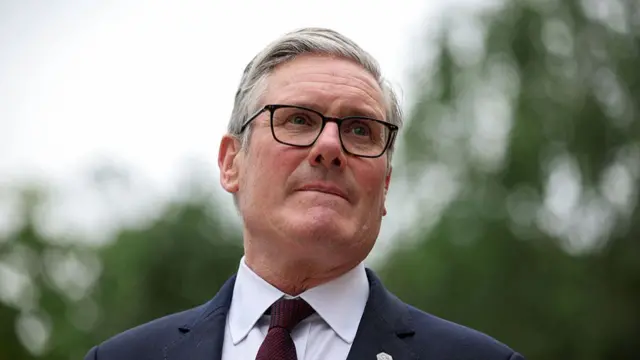
UK Prime Minister Keir Starmer has announced his resignation, bringing an abrupt end to a premiership that began with a historic Labour Party election victory in 2024.
Speaking outside 10 Downing Street on Monday, Starmer confirmed that he would step down as Prime Minister and Labour Party leader, while remaining in office temporarily to oversee an orderly transition until a successor is selected.
The announcement follows months of political turbulence, declining approval ratings, poor electoral performances, and increasing calls from Labour MPs and senior party figures for a change in leadership.
Why Did Starmer Resign?
While Starmer did not attribute his departure to a single issue, political analysts point to a combination of factors that weakened his position.
Labour suffered significant setbacks in recent local elections, losing substantial support in key regions across England and Wales. The party also faced growing competition from emerging political rivals and struggled to maintain the momentum that brought it to power in 2024.
Internal tensions within Labour intensified in recent months, with several senior figures reportedly questioning Starmer’s leadership and urging him to consider stepping aside. Reports suggest that pressure from cabinet ministers, party donors, trade union leaders, and MPs contributed to his decision.
Starmer’s administration was also affected by controversies surrounding government appointments and leadership decisions, including the fallout from the Peter Mandelson affair, which sparked criticism and resignations among senior advisers earlier this year.
Public Support Declined
Public confidence in Starmer’s leadership had fallen sharply over the past year.
Opinion polls consistently showed declining approval ratings, with many voters expressing concerns about economic challenges, the rising cost of living, government performance, and Labour’s overall direction. Political observers noted that dissatisfaction among both voters and party members had reached a critical point in recent months.
The pressure intensified after Labour’s disappointing election results and the growing popularity of alternative political figures within the party.
Who Could Replace Starmer?
Attention has now shifted to potential successors, with several senior Labour figures being mentioned as possible contenders.
Among the names frequently discussed is Andy Burnham, who is widely viewed as a leading candidate following his recent political successes and growing support among Labour MPs. Other names circulating include Yvette Cooper, Wes Streeting, and Angela Rayner.
Labour is expected to begin the process of selecting a new leader in the coming weeks, with a replacement anticipated before Parliament returns in September.
What Happens Next?
Starmer’s resignation opens a new chapter in British politics and could significantly reshape the future direction of the Labour Party.
Financial markets reacted cautiously to the announcement, while political analysts warned that the incoming leader will inherit major challenges, including economic pressures, public spending constraints, healthcare demands, immigration concerns, and the need to rebuild public confidence.
For now, Starmer has pledged to ensure a smooth and orderly transfer of power, emphasising stability during the transition period.