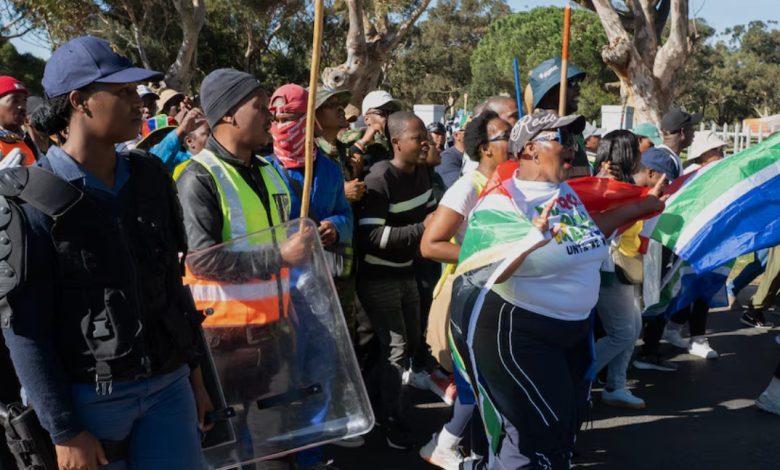
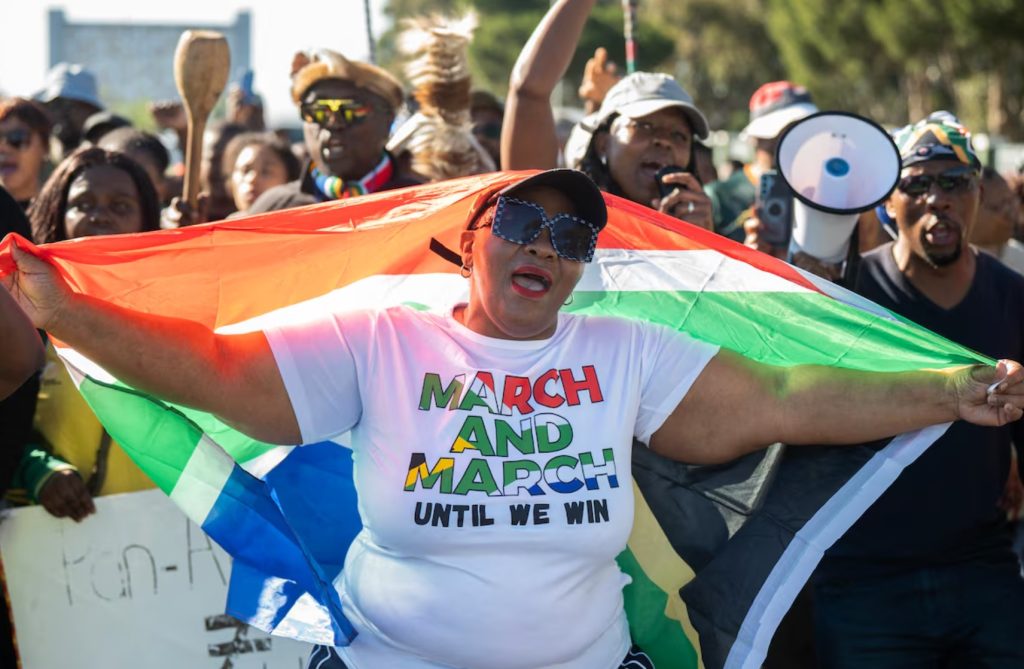
The unrest followed an unofficial June 30 deadline set by the anti-immigrant group March and March and other citizen-led vigilante groups for undocumented foreign nationals to leave.
While Tuesday’s nationwide marches were largely peaceful, there were several pockets of attacks on foreigners and looting of migrant-owned businesses. Police confirmed at least one Malawian, two Mozambicans and one Ethiopian were killed during the unrest.
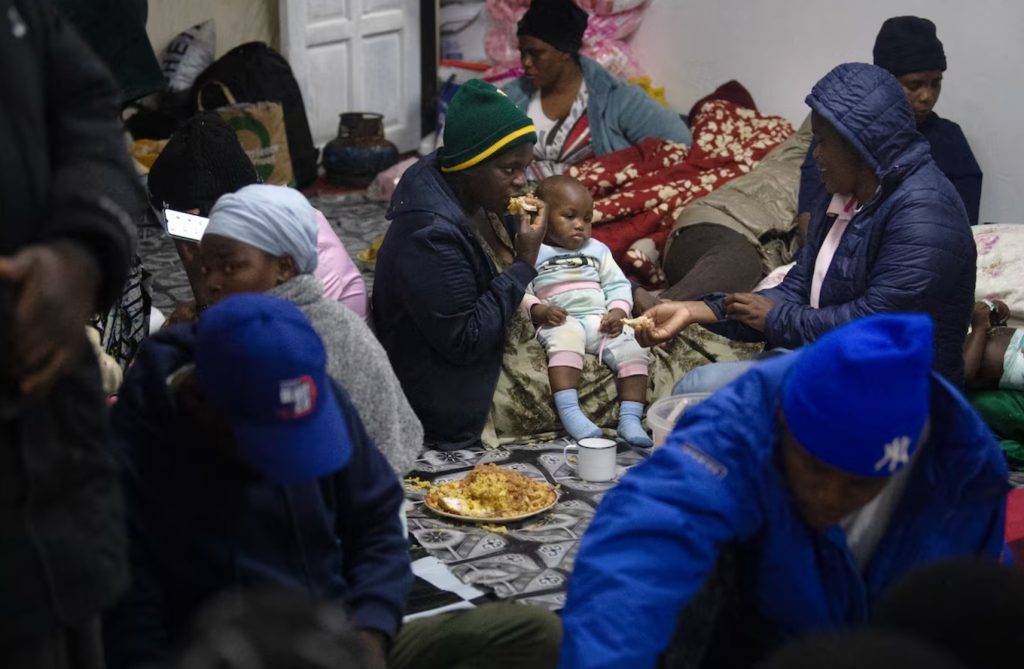
Thousands of immigrants packed up and left South Africa ahead of the protests. Several African governments, including Nigeria, Malawi, Ghana, Zimbabwe and Mozambique, organised voluntary repatriation flights and buses. More than 25,000 people had been processed for departure in recent weeks, authorities said.
Those who fled spoke of terror. In Malawi, Ahamadi Assani recalled vigilantes storming his compound in Pietermaritzburg, breaking down doors and assaulting residents. “We were hiding inside our homes because we feared for our lives,” he said. “We came back with nothing”.
The March and March group says it only objects to illegal immigration and is not xenophobic. Its leader, Jacinta Ngobese-Zuma, told a crowd in Durban: “South Africans have been replaced by illegal foreigners, increasing unemployment” and called for “mass deportation”.
But researchers and rights groups say the hostility is increasingly directed at people because they are perceived as foreigners, regardless of legal status. The government has also pointed out that demands by vigilantes for immigrants to show documents are illegal; only the police have that authority.
South Africa hosts about 167,000 refugees and asylum-seekers, according to the UN. The overall immigrant population stands at about 3 million, or 4% of the total, low by global standards compared to Uganda’s 1.8 million refugees.