

Abuja, Nigeria — Nigerians living outside the country have been advised to take their National Identification Number (NIN) seriously as the Federal Government introduces major changes under the new National Identity Management Commission (NIMC) Act 2026.
President Bola Ahmed Tinubu recently signed the NIMC Act 2026 into law, replacing the previous 2007 legislation and strengthening the role of NIMC in managing Nigeria’s digital identity system. Under the new framework, the NIN becomes even more central to identity verification and access to several government and private-sector services.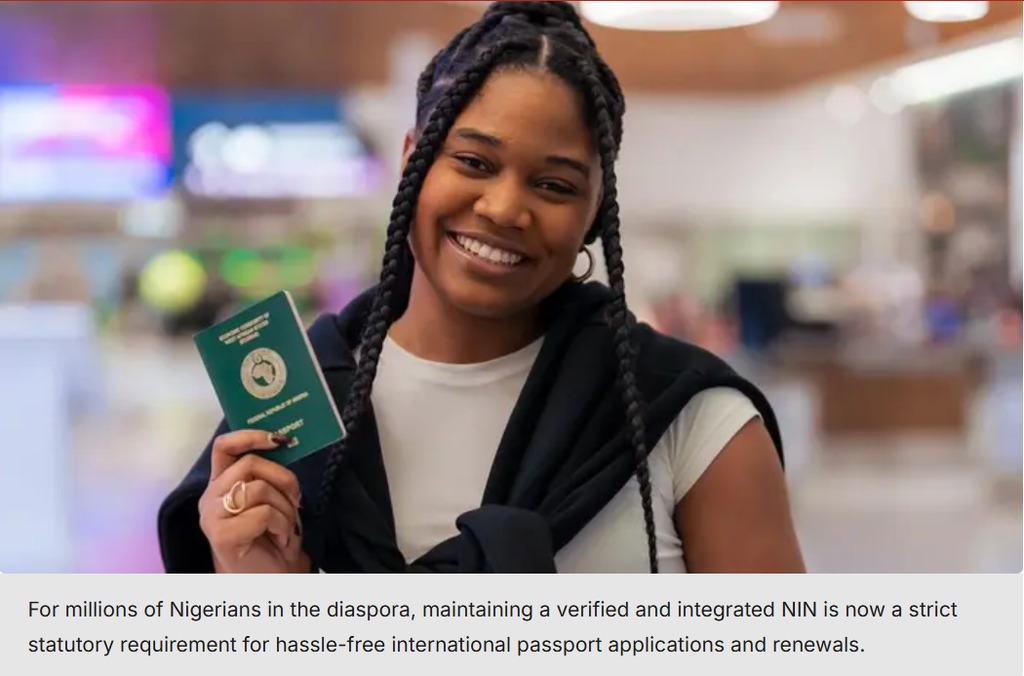
For millions of Nigerians in the diaspora, including those living in the United Kingdom, United States, Canada, Europe and other parts of the world, the development means that having a valid NIN will become increasingly important for accessing Nigerian services from abroad.
What is changing under the NIMC Act 2026?
The new law positions the National Identification Number as Nigeria’s foundational identity credential. It is designed to support secure verification across different platforms and reduce identity fraud through a stronger national identity system.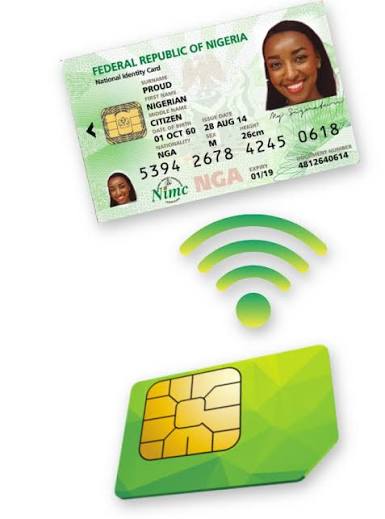
The Act also expands NIMC’s responsibilities in digital identity management, including its role as Nigeria’s Root Certification Authority for secure digital transactions and authentication systems.
What does this mean for Nigerians abroad?
1. You need your NIN before accessing many Nigerian services
Nigerians in the diaspora who do not yet have a NIN may face difficulties with services that require identity verification, including:
- Nigerian passport-related services
- Banking and financial services
- SIM registration and telecommunications services
- Government-related transactions
- Other identity-based digital services
The NIN is becoming the main link between a person’s identity and access to services.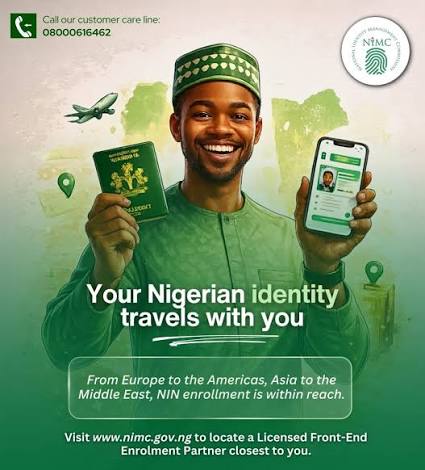
2. You do not need to travel back to Nigeria to register
Nigerians abroad can register through accredited overseas enrolment centres approved by NIMC. These centres capture biometric information, including fingerprints and facial images, and process applications on behalf of the commission.
This is particularly important for Nigerians who have lived abroad for years but have never completed their NIN registration.
3. Keep your details updated
Diaspora Nigerians should ensure that their NIN records match their current personal information, including:
- Full name
- Date of birth
- Phone number
- Email address
- Passport details, where applicable
Incorrect information may create delays when accessing services.
4. Protect your NIN information
As Nigeria moves towards a more digital identity system, citizens are advised not to share their NIN carelessly. Identity information should only be provided to trusted and authorised organisations.
Why is the government introducing these changes?
The Federal Government says the new identity framework will improve security, reduce the prevalence of multiple identities, strengthen digital services, and support a more reliable identity verification system across Nigeria.
However, experts have also highlighted the need for robust data protection measures, as a centralised identity system requires high levels of cybersecurity and public trust.
What Nigerians abroad should do now
✅ Confirm if you already have a NIN
✅ Complete registration if you do not have one
✅ Update outdated information
✅ Link your NIN where required
✅ Keep your identity documents safe
For Nigerians in the diaspora, the message is clear: your NIN is no longer just a number; it is becoming the foundation of your digital identity in Nigeria.