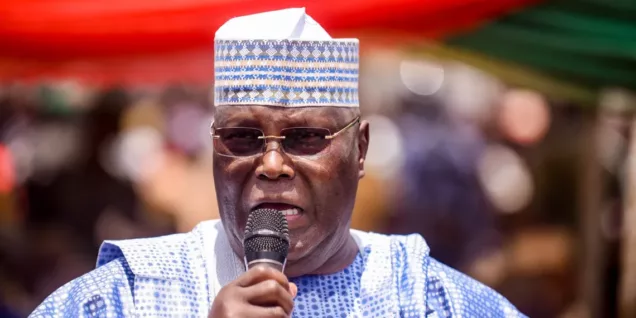
Ahead of the 2027 polls, Atiku Abubakar questions INEC’s chosen election date. Since Ramadan may overlap, he suggests a rethink. The former vice-president sees timing as problematic. Instead of sticking to the plan, adjustments might be needed. Religious observance could affect voter turnout. Because of that, pushing back makes sense to him. His concern centres on fairness during sacred periods. Rather than ignore it, attention must be given. Clashes like this risk undermining participation. So, flexibility from the commission would help. A few months ago, INEC said Nigerians would vote for a new president along with lawmakers by February 20, 2027. State-level polls for governors and local assemblies come later – set for March 6 that year. The dates follow an official election timeline shared in Abuja. What happens next depends on how smoothly preparations go.
Besides posting online, Atiku raised concerns about holding votes while Ramadan lasts – this one likely falling between February 7 and March 8, 2027. Since many Muslims will be fasting, praying, and tied to spiritual duties, showing up at the polls might drop off sharply for them.
Funny how the moment feels off, like it doesn’t quite fit Nigeria’s mix of faiths and cultures. His take hints at a deeper unease around who gets seen, who gets heard.
Folks showing up in big numbers, pushing through long days, staying locked into one shared goal – that kind of effort can clash with a time meant for fasting, slowing down, turning inward. He pointed out how tough it might be to pull off both at once.
Ahead of everything else, the ex-presidential contender raised concerns over the election body’s choice of date, hinting that struggles with basic logistics might undermine trust in fair voting. While some saw routine planning, he saw warning signs. Only time will show ifthe organisationn keeps pace with expectations.
Fueled by the timing, arguments have spread across the country as mosques, community groups, and elected figures warn that merging events may weaken public participation during Ramadan. A sense of caution runs through many conversations, where faith voices mix with activists and officials questioning how deeply people will engage. With days unfolding together, hesitation grows among those who see spiritual focus clashing with civic duties. Some point out quiet drop-offs in past similar moments, while others note prayer schedules might crowd out meetings or votes. Attention lingers on whether traditions pull energy away from national processes when both happen at once.
Facing rising voices from citizens, INEC says it’s now talking with key groups involved. Should the schedule need changes, lawmakers might have to step in, the body noted – all moves must still follow existing laws and the constitution.
Now the talk turns to how tight election timelines clash with Nigeria’s rich mix of faiths and traditions, especially as 2027 draws closer. Some point out that rigid legal schedules often ignore deep-rooted community practices. With voting season approaching, tensions grow between what laws demand and what people hold sacred. This moment reveals more than just political planning – it shows a nation pulled between structure and heritage. Not everyone agrees on how fast change should come when beliefs are involved.