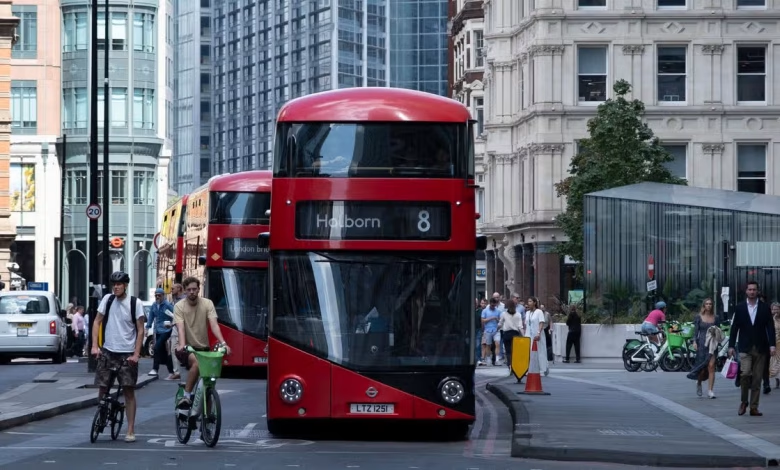
LONDON, UK: More than 1,500 London bus drivers are set to take part in 26 days of strike action over what their union has described as “unacceptable” working conditions during periods of extreme heat.
The drivers, who work for Arriva North London, are members of Unite and are expected to walk out on dates between August and October 2026, potentially causing significant disruption to bus services across north London and parts of Essex.
The dispute centres on temperatures inside bus drivers’ cabs, with Unite claiming that some cabs have reached more than 40°C during the hottest days of the summer.
Drivers have raised concerns about inadequate cooling systems, arguing that they are being expected to operate large passenger vehicles in conditions that can cause heat exhaustion, dehydration and heatstroke.
Why are the drivers striking?
According to Unite, many of the affected buses rely on air-cooling systems rather than effective air conditioning. The union says these systems are unable to provide sufficient cooling when temperatures outside rise sharply.
The problem becomes particularly severe inside driver cabs, where large areas of glass can trap heat and create what has been described as a “greenhouse effect”.
Unite has previously warned that cab temperatures can exceed 40°C, while drivers have reported suffering from extreme sweating, fatigue, dehydration and other heat-related symptoms.
The union is calling for better protection for drivers, including improvements to the cooling systems used inside bus cabs.
26 days of disruption
The planned industrial action will take place across August, September and October, meaning passengers could face disruption during multiple periods over the coming months.
The affected services are expected to include routes operating across north London and parts of Essex, although the exact impact will depend on which garages and routes are affected on individual strike dates.
Passengers who rely on Arriva services are therefore being advised to check for updated travel information before making journeys on strike days.
Drivers say conditions are becoming unbearable
The dispute follows repeated complaints from drivers during this summer’s periods of extreme heat.
Unite says drivers have experienced heat exhaustion, heatstroke and dehydration while working in hot conditions. The union argues that the issue is not simply about workplace comfort but also about safety, because excessive heat and fatigue could affect a driver’s ability to concentrate while operating a bus carrying passengers.
Earlier reports from the union found that some London bus cabs had reached temperatures above 40°C during hot weather.
The London Hazards Centre has also reported concerns about temperatures inside bus cabs exceeding 40°C, with drivers describing the conditions as dangerous during heatwaves.
Wider concerns over London’s transport network
The dispute comes as London faces increasingly challenging periods of extreme summer heat.
High temperatures can place additional pressure on public transport, affecting drivers, passengers, roads and railway infrastructure. The latest dispute has also renewed debate over whether transport operators need to do more to prepare for increasingly frequent heatwaves.
London Mayor Sadiq Khan previously described the conditions faced by bus drivers during extreme heat as unacceptable and said drivers should prioritise their health and safety when conditions become too hot.
With another period of hot weather forecast for London in August, the dispute could become an increasingly important issue for commuters and public transport users across the capital.
What passengers should know?
Passengers using Arriva services in north London and Essex should check the latest service information before travelling on strike days.
The strike dates span August, September and October, and disruption could vary depending on the routes and garages affected.
The dispute is ultimately centred on a straightforward demand from drivers: better protection from extreme heat while doing a job that requires them to remain focused and in control of a large passenger vehicle for hours at a time.
Source: Unite, Evening Standard and London transport reports.