
UK Eases Employer Restrictions for Some Migrant Workers: What New Rules Mean for Nigerians
Skilled Worker visa holders recognised as victims of modern slavery will be allowed to leave abusive employers and work elsewhere under new UK immigration rules

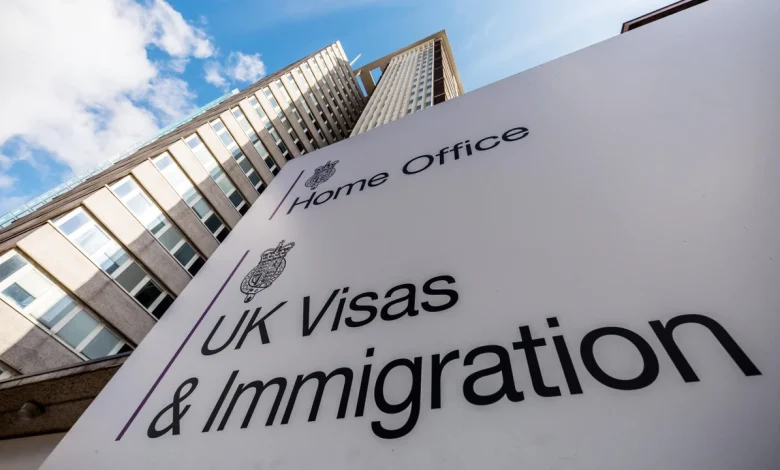
LONDON, September 3, 2026: The United Kingdom Government has announced new immigration rules that will give greater protection to some migrant workers who have been exploited by their employers.
Under the changes announced by the Home Office on Thursday, Skilled Worker visa holders who are formally recognised as victims of modern slavery will be allowed to leave their sponsoring employer and work for another employer for the remainder of their existing immigration permission.
The change is part of a wider set of amendments to the UK Immigration Rules published in Parliament on September 3, 2026.
What is changing?
The Skilled Worker visa normally ties a migrant worker’s immigration permission to a specific sponsored job. Workers who want to change employment generally have to meet immigration requirements for their new role and, where necessary, apply to update their permission.
The new provision creates an important exception for Skilled Worker migrants who have been formally recognised by the Home Office as victims of modern slavery.
Once eligible, such workers will be permitted to work for another employer and will not be restricted to the occupation linked to their previous sponsorship for the remaining period of their existing permission.
The Government says the measure is intended to prevent immigration status from being used by exploitative employers to keep vulnerable workers trapped in abusive employment.
What does this mean for Nigerians in the UK?
The development could be significant for Nigerians working in the UK under the Skilled Worker route, particularly those employed in sectors where migrant workers may be vulnerable to exploitation.
However, the new rule does not mean that every Nigerian on a Skilled Worker visa can now change jobs freely.
The protection is specifically aimed at people who have been formally recognised as victims of modern slavery.
Simply having a dispute with an employer, being unhappy with working conditions or wanting to move to another company does not automatically qualify a worker for the new protection.
Care workers could be among those affected
The announcement comes amid increased government scrutiny of the UK’s sponsorship system, particularly within the care sector.
The Government has been taking action against employers that fail to comply with sponsorship requirements and has highlighted concerns about exploitation of overseas workers.
The Home Office’s latest immigration changes are therefore being introduced against a wider backdrop of efforts to tackle abuse within the migrant labour system.
When will the new rule take effect?
The changes were formally published by the Home Office on September 3, 2026, as part of Statement of Changes HC 584.
The Government has set October 8, 2026, as the implementation date for the relevant changes.
The Home Office has also published updated guidance explaining how modern slavery victims are identified and supported.
Important warning for migrant workers
Nigerian migrants and other overseas workers should not assume that the announcement gives them an automatic right to change employers.
The normal Skilled Worker sponsorship rules remain in place for workers who do not fall within the new protection.
The UK’s Skilled Worker route remains based on employment in a specific eligible occupation with a Home Office-approved sponsor.
Anyone who believes they are being exploited should seek appropriate immigration or legal advice before leaving their job, particularly if their immigration status depends on their employment.
Government’s message
The new rules reflect the Government’s position that immigration sponsorship should not become a mechanism through which employers can control or exploit overseas workers.
By allowing recognised victims of modern slavery greater freedom to work elsewhere, ministers hope vulnerable migrants will be more willing to report exploitation and seek help without fearing that leaving an abusive employer will immediately put their immigration status at risk.
For thousands of Nigerians living and working in the UK, the change will be closely watched, particularly by those employed under the Skilled Worker route.