Shoprite Nigeria Goes the Bokku Way, Plans Neighbourhood Stores to Cut Costs
The supermarket chain is moving towards smaller standalone outlets as it battles high rents, foreign exchange pressures and rising operating expenses in a major restructuring effort aimed at reviving its Nigerian business.

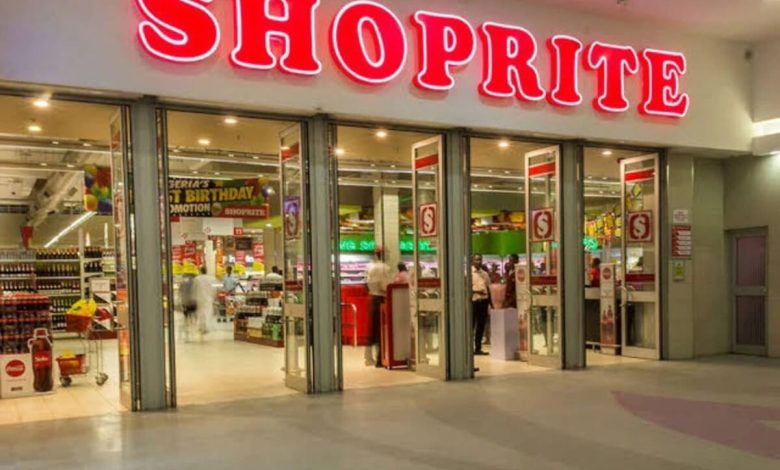
LAGOS, NIGERIA: Shoprite Nigeria is planning to expand through smaller standalone neighbourhood stores, signalling a shift away from its traditional dependence on supermarkets located inside shopping malls.
The proposed strategy is aimed at reducing operating expenses, including rent, electricity and diesel, while bringing everyday groceries and household essentials closer to consumers.
The move draws comparisons with the neighbourhood retail model adopted by Bokku! Mart, a Nigerian discount retail chain that has expanded through smaller stores serving residential communities.
Adekunle Adebiyi, Executive Director of Investments at MBO Capital Management Limited, disclosed Shoprite’s plans during an interview on Nairametrics’ Drinks and Mics programme, where he discussed the retailer’s financial difficulties, restructuring efforts and plans for recovery.
According to Adebiyi, three Shoprite stores have reopened after the company temporarily shut down operations to negotiate with suppliers and address outstanding financial obligations.
He said the decision to suspend operations was a significant step taken to give the business an opportunity to resolve its financial challenges.
“We took a very, very drastic decision to just shut everything down whilst we negotiated with suppliers. Now three stores are back open,” Adebiyi said.
He added that the company intends to open standalone neighbourhood outlets as part of its broader recovery strategy.
“We’re going to be opening standalone neighbourhood stores, which was always the plan,” he said.
Why Shoprite Is Rethinking Its Business Model
For years, Shoprite’s presence in Nigeria was associated with supermarkets in major shopping malls, offering groceries, household products, fresh produce and other consumer goods under one roof.
However, operating large retail outlets in shopping centres can come with substantial financial commitments, particularly when rental agreements, electricity bills, diesel consumption, staffing and logistics costs are considered.
These expenses have become increasingly difficult for retailers to manage in Nigeria’s challenging economic environment.
By moving towards smaller neighbourhood stores, Shoprite could reduce the amount of space it needs to operate, limit its exposure to expensive commercial leases and concentrate more of its resources on retail operations.
The format could also allow the company to establish outlets in residential areas where shoppers can purchase everyday essentials without travelling to major shopping malls.
Rather than relying exclusively on large shopping destinations, the proposed approach would allow Shoprite to explore locations closer to where people live and shop regularly.
However, the company has not yet disclosed how many neighbourhood stores it plans to open, where they will be located or when the first outlets will begin operating.
Dollar-Denominated Rents Put Pressure on Operations
Foreign exchange volatility has been identified as one of the major factors affecting Shoprite Nigeria’s financial performance.
Adebiyi disclosed that approximately 17 of the retailer’s 28 stores had rental agreements denominated in US dollars at the time of the acquisition of its Nigerian operations.
The depreciation of the naira subsequently increased the cost of servicing those rental agreements, placing additional pressure on the company’s finances.
According to Adebiyi, rent should ordinarily account for about 8 to 10 per cent of a supermarket’s revenue. However, some Shoprite locations reportedly faced substantially higher rental costs.
In certain cases, rental expenses became so burdensome that maintaining operations at particular locations was difficult to justify financially.
The experience highlights a challenge facing retailers that depend on large commercial spaces in major urban centres, where rental costs can significantly affect profitability.
A shift towards smaller stores could help Shoprite negotiate more manageable leases and avoid some of the expenses associated with operating inside major shopping malls.
Nevertheless, the financial benefits will depend on the locations selected, rental terms, customer traffic and the cost of running each outlet.
Inventory Management and Technology Challenges
Shoprite’s difficulties have also extended beyond rent and foreign exchange exposure.
Adebiyi identified weaknesses in inventory management as another operational challenge affecting the business.
For a supermarket chain, effective inventory management is essential for ensuring that popular products remain available, perishable goods are properly handled, and excess stock does not tie up working capital.
Poor inventory control can contribute to product shortages, waste, inefficient purchasing and difficulties meeting customer demand.
The company also faced the challenge of replacing the enterprise resource planning system previously provided through its former South African parent organisation.
Enterprise resource planning systems help businesses coordinate key functions, including inventory, purchasing, finance and supply chain management.
Adebiyi said replacing the previous system required billions of naira in additional investment, diverting funds that could otherwise have supported other aspects of the business.
He also explained that MBO Capital encountered difficulties obtaining conventional bank financing during the acquisition because lenders struggled to identify sufficient tangible assets to use as collateral.
Although the business generated billions of naira in revenue, its reliance on leased commercial properties rather than property ownership presented challenges under traditional asset-backed lending arrangements.
These factors illustrate why Shoprite’s restructuring involves more than simply changing the size of its stores. The company must also address the underlying financial, technological and operational issues affecting its business.
Why the Bokku! Mart Model Matters
Shoprite’s proposed neighbourhood-store strategy has drawn comparisons with Bokku! Mart, which has built its business around smaller retail outlets positioned within residential communities.
Bokku! Mart’s approach focuses on making everyday consumer products accessible through a network of neighbourhood stores rather than relying primarily on large, mall-based supermarkets.
The model allows retailers to establish a presence closer to customers and potentially reduce the property and infrastructure commitments associated with traditional large-format outlets.
It also reflects changing shopping patterns in Nigeria, where consumers facing pressure on their purchasing power increasingly pay attention to convenience, product availability and prices.
For Shoprite, adopting a similar store format could help it compete more directly with local retailers that have built their businesses around neighbourhood accessibility.
However, the two businesses are not necessarily identical. Bokku! Mart operates as a discount-focused retailer, while Shoprite’s Nigerian operations have historically been associated with larger supermarkets offering a broader shopping experience.
Whether Shoprite adopts the same pricing strategy, product range or operating structure as Bokku! remains unclear.
The reported plan establishes a direction for the retailer’s expansion, but detailed information about the proposed stores has not yet been announced.
Shoprite Says It Is Restructuring, Not Leaving Nigeria
Shoprite’s latest plans follow years of changes in the ownership and operation of its Nigerian business.
Shoprite first entered Nigeria in December 2005, opening its flagship supermarket at The Palms Shopping Mall in Lagos under South African retailer Shoprite Holdings.
In 2020, Shoprite Holdings announced plans to exit direct ownership of its Nigerian operations after reviewing its business in the country.
The Nigerian business was subsequently acquired in 2021 by Ketron Investment Limited, a consortium led by Persianas Investment Limited, with operations continuing under a franchise arrangement through Retail Supermarkets Nigeria Limited.
The change in ownership marked a new chapter for the supermarket chain, but the business continued to face difficulties linked to Nigeria’s operating environment.
Some outlets were subsequently closed, while other locations experienced operational disruptions.
In March 2026, Retail Supermarkets Nigeria Limited rejected reports that Shoprite was leaving Nigeria and confirmed plans to reopen outlets at The Palms Shopping Mall in Oniru and Circle Mall in Jakande, Lagos.
The company described its efforts as a phased restructuring programme intended to strengthen operations rather than end its presence in the country.
The proposed neighbourhood-store expansion now represents another element of that recovery effort.
What the Change Could Mean for Nigerian Shoppers
If implemented successfully, the move towards neighbourhood stores could change how some Nigerians access Shoprite products.
Customers living near the new outlets could benefit from shorter shopping trips and easier access to groceries and household essentials.
Smaller stores may also allow the retailer to operate in communities that cannot support the cost or space requirements of a supermarket.
For the business, the format could provide greater flexibility when choosing locations and managing operating expenses.
However, smaller outlets may have less shelf space and offer a narrower selection of products than supermarkets. The impact on consumers will depend on how Shoprite balances convenience, product variety and pricing.
There is also no guarantee that lower operating costs will automatically translate into cheaper products. Prices will continue to depend on purchasing costs, transportation, supply arrangements, exchange rates and the company’s overall operating expenses.
For shoppers, the key questions will be whether the new outlets offer competitive prices, maintain consistent product availability and provide the shopping experience customers expect from the brand.
A New Chapter for Shoprite Nigeria
Shoprite’s proposed shift towards standalone neighbourhood stores reflects a broader adjustment to the realities of operating a retail business in Nigeria.
High property costs, currency fluctuations, expensive energy, financing constraints and changing consumer spending patterns have put pressure on traditional large-format supermarkets.
By exploring smaller outlets, Shoprite is seeking a model that could reduce costs while maintaining its presence in the Nigerian market.
The company has yet to announce the locations, number or opening dates of its proposed neighbourhood stores.
For now, the strategy represents a significant development in Shoprite’s ongoing restructuring, with its eventual success likely to depend on whether smaller stores can deliver sustainable operations and meet the needs of Nigerian consumers.