
The African Democratic Congress (ADC) has criticised the Federal Government over the £746 million port redevelopment deal signed during President Bola Tinubu’s recent trip to the United Kingdom, saying the agreement may not be in Nigeria’s best interest.
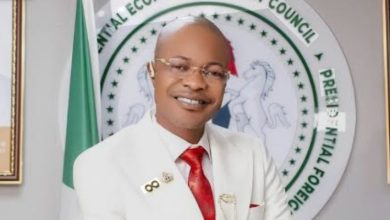
In a statement released on Sunday, the party’s National Publicity Secretary, Bolaji Abdullahi, said the deal seems to favour the British economy more than Nigeria, raising concerns about the financial strain it could place on the country.
The project, intended to upgrade the Tin Can and Apapa ports in Lagos, is being funded through a UK-backed credit facility, with financing managed by Citibank’s London branch.
According to the ADC, the deal structure indicates that a large share of the funds will be spent on goods and services from British companies, thereby boosting UK industries.
Abdullahi explained that while the agreement has been presented as a diplomatic win, it is essentially a loan with conditions that may keep much of the money within the UK or channel it back there.
He added that contracts worth at least £236 million are expected to go to British firms, while another £70 million deal will see British Steel supply materials for the port upgrades.
The party argued that this setup appears to protect jobs and support manufacturing in the UK, while Nigeria is left to repay the loan.
ADC is now urging the Federal Government to be more transparent by releasing full details of the agreement, including interest rates, repayment terms, local content provisions, and how Nigerian businesses stand to benefit.
The party also questioned whether the project would truly create jobs, encourage skill transfer, or involve local contractors and small businesses in any meaningful way.
Without clear answers, the ADC warned that many Nigerians may see the deal as one-sided, especially given the current economic challenges facing the country.
“If the government has nothing to hide, it should lay everything on the table. Otherwise, Nigerians have every right to question what we’re really gaining from this,” the statement said.
The issue has further fueled ongoing discussions about Nigeria’s borrowing habits and the long-term impact of relying on foreign-funded infrastructure projects.