Israel Pounds Tehran: Airports, Petrochemical Giant Hit in Major Strike

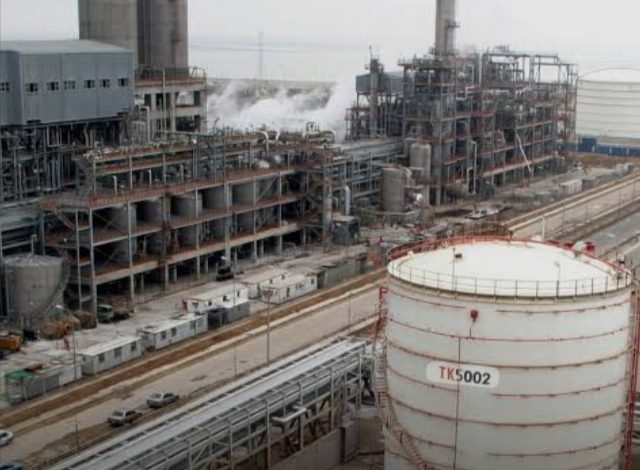
Israel Defense Forces said on Monday that it carried out a series of coordinated precision strikes deep inside Iran, hitting key military and industrial facilities in Tehran — including three airports and the country’s largest petrochemical complex.
In a statement shared on X (Twitter), the Israeli military said several strategic aviation sites were targeted during the operation. Among them were Mehrabad Airport, Bahram Airport and Azmayesh Airport, where military aircraft, helicopters and other infrastructure were reportedly struck.
According to the IDF, Mehrabad Airport had been used by the Islamic Revolutionary Guard Corps’ elite Quds Force as a central hub for supplying weapons and funding to allied armed groups across the Middle East.
Israeli officials said the operation was designed to disrupt critical parts of Iran’s military logistics network and weaken its ability to support regional proxy forces.
The strikes also extended to Iran’s largest petrochemical complex, which the Israeli military claims plays a major role in producing chemical materials used in explosives manufacturing. Officials said the attack has now left Iran’s two biggest petrochemical facilities severely damaged, effectively knocking out more than 85 percent of the country’s petrochemical export capacity.
According to the IDF, crippling this infrastructure could significantly impact Iran’s missile industry by limiting access to key materials used in weapons production.
Security analysts say the strikes could have both immediate and long-term consequences for Iran’s military capabilities, particularly its ability to supply allied groups and sustain missile development programs.
Iranian authorities have yet to issue a detailed response to the latest attacks, but previous incidents suggest Tehran could respond through diplomatic channels or heightened military readiness across the region.
The escalation comes amid rising tensions between Israel and Iran, part of a broader struggle for strategic dominance in the Middle East.
The development also follows Iran’s recent rejection of a ceasefire proposal backed by the United States. Tehran has insisted that any agreement must guarantee a complete end to hostilities, safe navigation through the critical Strait of Hormuz, and the lifting of international sanctions.
Meanwhile, Donald Trump described a separate proposal for a 45-day truce as a “very significant step,” though the White House later clarified that no ceasefire deal has been formally approved.
Diplomats say intense behind-the-scenes negotiations are now underway, as world powers race to prevent the crisis from spiraling into a wider regional conflict.