Last-Minute Deal! Trump Pulls Back From Iran Attack Hours Before Deadline.

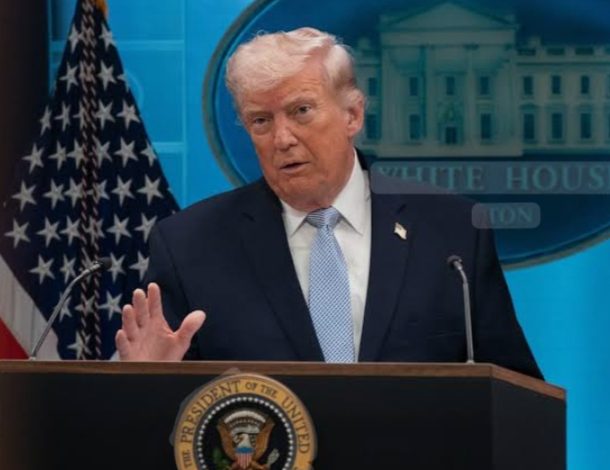
In a dramatic turn of events, Donald Trump agreed to a two-week ceasefire with Iran just hours before a looming deadline that had threatened devastating strikes on the country’s civilian infrastructure.
The surprise move came late Tuesday, less than two hours before Trump’s ultimatum for Tehran to reopen the critical Strait of Hormuz or face massive attacks. Earlier in the day, the U.S. President had issued a stark warning that “a whole civilisation will die tonight” if Iran failed to comply — making the sudden ceasefire announcement a dramatic reversal.
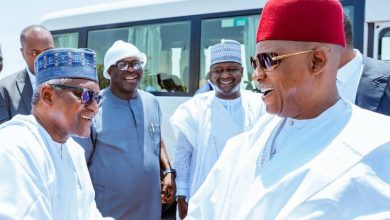
The truce was reportedly helped along by mediation from Shehbaz Sharif, Prime Minister of Pakistan, and Pakistan’s Military Chief, Asim Munir. Sharif later said delegations from both the United States and Iran had been invited to meet in Islamabad on Friday in hopes of pushing negotiations forward.
According to Trump, the ceasefire depends on Iran pausing its blockade of oil and gas shipments through the Strait of Hormuz — a strategic waterway that normally carries nearly one-fifth of the world’s oil supply.
Iran signaled cautious agreement. Its Foreign Minister, Abbas Araqchi, said Tehran would halt retaliatory strikes and allow safe passage through the strait as long as attacks against Iran stop.
“This will be a double-sided ceasefire,” Trump wrote on his platform, Truth Social, claiming the U.S. had already achieved its key military objectives and was moving toward a long-term peace agreement in the Middle East.
Iran’s Supreme National Security Council painted the agreement differently, describing it as a victory and saying Washington had effectively accepted Iran’s conditions for ending hostilities.
Despite the pause, skepticism remains about whether the truce will hold. A source involved in the discussions described the agreement as a “trust-building exercise,” suggesting Washington fears Tehran could be using the temporary break to buy time.
Meanwhile, Israel said it supports the two-week halt in attacks on Iran. However, the office of Prime Minister, Benjamin Netanyahu, clarified that the ceasefire does not apply to the fighting in Lebanon, contradicting earlier comments from Sharif that suggested otherwise.
Reports from Lebanon indicate Israeli strikes continued across the south of the country, including artillery shelling and air raids that reportedly killed several people and injured others.
Even after Trump’s announcement, tensions remained high. The Israeli military said it detected missiles fired from Iran shortly afterward, with explosions heard over Tel Aviv as air defences intercepted incoming projectiles. Gulf states including Kuwait, Bahrain, Saudi Arabia, and the United Arab Emirates simultaneously activated their air-defence systems amid fears the conflict could spill across the region.
The war — now in its sixth week — has already killed more than 5,000 people across nearly a dozen countries, including over 1,600 civilians in Iran, according to government figures and human-rights organisations.
Global markets reacted quickly to news of the ceasefire. Oil prices fell, stock markets rallied, and the U.S. dollar weakened as investors hoped shipping through the Strait of Hormuz would soon return to normal.
Still, analysts say the sudden shift may reflect growing pressure on Trump at home, where the conflict has become increasingly unpopular as fuel prices surge and the U.S. midterm elections approach.
International leaders have welcomed the temporary truce but warned that the crisis is far from over. With negotiations expected in Islamabad within days, the world is now watching closely to see whether the fragile ceasefire will lead to a lasting peace — or simply a pause before the next escalation.