
Nigeria has taken a significant step in its fight against HIV with the introduction of a long-acting injectable prevention drug in the Federal Capital Territory (FCT), marking a new phase in the country’s public health response.
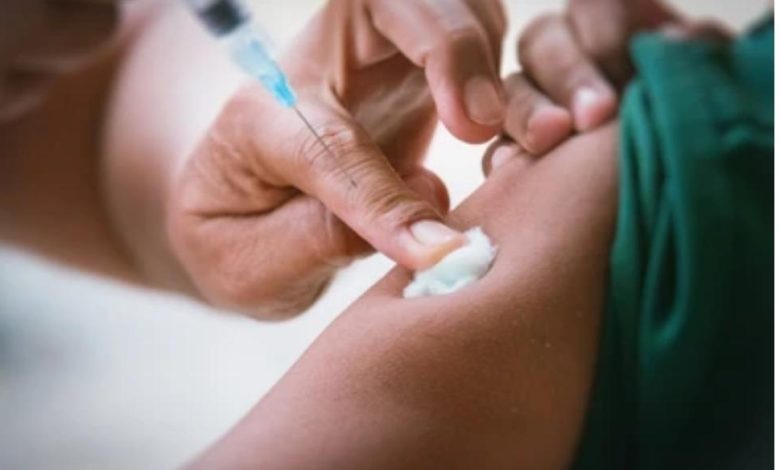
The rollout, which began in Abuja, introduces Lenacapavir, an injectable form of pre-exposure prophylaxis (PrEP) designed to protect HIV-negative individuals who are at risk of infection. Unlike traditional prevention methods that require daily oral medication, this new option is administered just twice a year.
Health officials say the innovation could reshape how HIV prevention is delivered, particularly for individuals who face challenges with daily adherence or stigma associated with taking pills.
A Shift From Daily Pills to Twice-Yearly Protection
For years, HIV prevention strategies have largely depended on daily oral PrEP medications. While effective, consistent use has remained a challenge for many due to forgetfulness, limited access, and social stigma.
The introduction of Lenacapavir offers a more convenient alternative.
Instead of taking a pill every day, eligible individuals can now receive an injection once every six months. This extended protection is expected to improve adherence rates and make prevention more accessible to vulnerable populations.
Public health experts believe this shift could play a crucial role in reducing new HIV infections across the country.
Pilot Programme Begins in FCT and Selected States
The Federal Capital Territory is among the first locations to implement the new prevention method as part of a broader pilot programme.
The initiative is being coordinated by government health agencies in collaboration with national and international partners. Alongside the FCT, several states have been selected for the initial phase, allowing authorities to monitor effectiveness, uptake, and operational challenges before expanding nationwide.
The pilot approach is intended to ensure that the programme is properly integrated into existing healthcare systems while maintaining quality and safety standards.
Initial Supply and Expansion Plans
Nigeria has already received an initial batch of the injectable drug, with plans to distribute tens of thousands of doses in phases.
Health authorities say this gradual rollout will allow for proper tracking of patient response and ensure that healthcare workers are adequately trained to administer the treatment and provide counselling.
Over time, the programme is expected to expand to more states, making the drug widely available across the country.
Addressing Nigeria’s HIV Burden
Nigeria continues to carry one of the highest HIV burdens globally, with an estimated 1.9 million people living with the virus.
Although progress has been made in reducing prevalence over the years, new infections remain a concern, especially among young people and key populations.
Experts say expanding prevention options is essential to closing this gap.
By introducing a long-acting injectable option, health authorities aim to reach individuals who may not consistently use daily medication, thereby reducing the risk of transmission.
What Health Officials Are Saying
At the national level, health leaders have described the introduction of the injectable drug as a major milestone.
According to the Coordinating Minister of Health and Social Welfare, the move reflects Nigeria’s commitment to adopting innovative solutions to strengthen its HIV response and improve public health outcomes.
Medical professionals working within the FCT have also highlighted the benefits of the new approach.
One healthcare provider involved in the programme noted that less frequent dosing could significantly reduce stigma, as patients no longer need to regularly visit clinics or carry medication.
Another expert described the injection as a game-changer, emphasizing its potential to improve patient compliance and overall effectiveness of prevention efforts.
Balancing Innovation With Awareness
While the introduction of Lenacapavir marks a major advancement, experts caution that it should be used as part of a comprehensive prevention strategy.
The injection does not replace other protective measures such as safe sexual practices, regular testing, and education.
Healthcare providers are expected to continue offering counselling alongside the treatment to ensure that individuals fully understand how to protect themselves.
Public awareness campaigns will also play a key role in encouraging uptake and addressing misconceptions about HIV prevention.
Global Support and Collaboration
The rollout in Nigeria is supported by international health organizations and funding partners, reflecting a broader global effort to expand access to innovative HIV prevention tools.
Nigeria is among a select group of countries adopting this new technology early, positioning it as a leader in public health innovation on the African continent.
This collaboration is expected to strengthen the country’s healthcare system while accelerating progress toward global HIV reduction targets.
What Comes Next
As the pilot programme progresses, authorities will closely monitor its impact, including patient acceptance, effectiveness, and any operational challenges.
The data gathered will inform decisions on nationwide expansion and help refine strategies for delivering the drug efficiently.
If successful, the injectable prevention method could become a cornerstone of Nigeria’s HIV response, offering a more practical and discreet option for millions of people.