
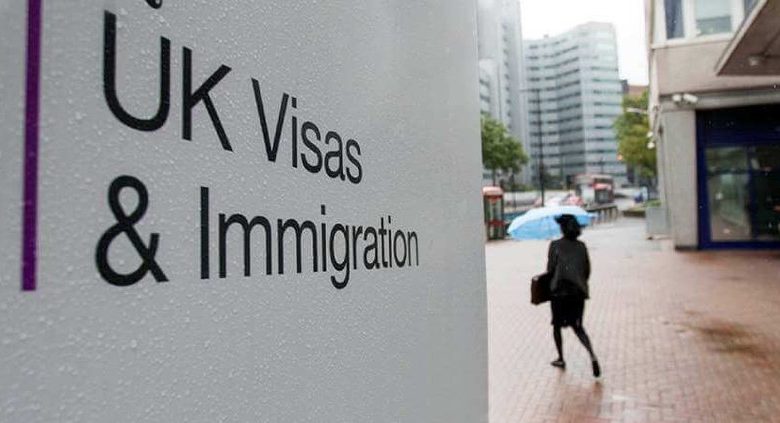
The United Kingdom has introduced a tougher immigration framework for international students, reshaping how universities recruit and retain overseas applicants.
Under the new policy, UK Visas and Immigration (UKVI) has lowered the acceptable visa refusal threshold and raised performance expectations for universities that sponsor international students. Institutions are now being held to stricter standards on enrolment and course completion rates as part of a wider effort to tighten immigration control.
Stricter compliance rules for universities
From June 2026, universities must now maintain:
- A visa refusal rate below 5% (previously around 10%)
- A minimum enrolment rate of 95%
- A course completion rate of at least 90%
These figures form part of the government’s updated Basic Compliance Assessment system, which determines whether institutions can continue sponsoring international students.
New “traffic light” rating system
A major shift in the policy is the introduction of a Red-Amber-Green (RAG) rating system. Universities are now assessed based on their weakest performance metric rather than an overall average.
This means a single poor score in any category can place an institution in a higher-risk band, potentially triggering restrictions or sanctions on international recruitment.
A Green rating signals full compliance, Amber indicates rising risk, while Red status can lead to serious consequences, including limits on issuing Confirmation of Acceptance for Studies (CAS) letters and, in extreme cases, loss of sponsorship rights.
Government rationale and enforcement push
The Home Office says the reforms are designed to reduce visa misuse and ensure that the student visa route is used for genuine study purposes. Officials argue that rising refusal patterns and concerns around post-study asylum claims have placed pressure on the system.
Recent enforcement actions have already seen tighter scrutiny of applications, alongside country-specific restrictions in some cases and closer monitoring of university recruitment practices.
Impact on universities and students
The changes are already influencing how universities operate. Some institutions have begun tightening admissions checks and reducing recruitment from regions considered higher risk due to visa refusal trends.
Reports suggest a broader slowdown in international enrolments, with many universities warning of financial pressure as overseas tuition fees remain a major income source.
For students, the implications are clear: applications are likely to face stricter scrutiny, and university choice now carries more weight, as institutional compliance status may directly affect visa success and admission stability.
What this means going forward
Education experts say the UK is not closing its doors to international students, but is clearly shifting toward a more selective and compliance-driven system.
The next phase of implementation will likely determine how universities adjust their recruitment strategies and how international applicants respond to the tighter environment.