
VeendHQ Reports 40% Recovery Rate on Delinquent Loans Through Vida AI Pilot
Nigerian fintech says AI-powered platform recovered ₦69 million from overdue loans, highlighting technology's growing role in credit risk management.

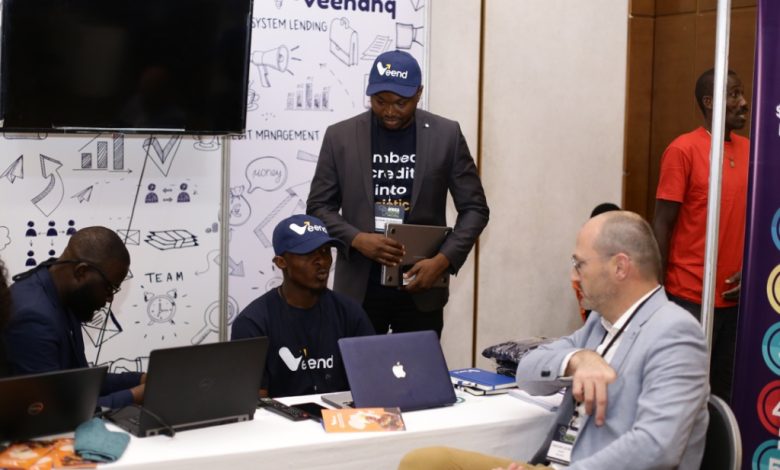
LAGOS, NIGERIA – Nigerian fintech company VeendHQ has announced that its artificial intelligence-powered credit platform, Vida AI, achieved a 40 per cent recovery rate during a pilot project focused on delinquent loans.
According to the company, the pilot recovered ₦69 million from a loan portfolio worth ₦172.5 million that had remained unpaid for more than 90 days. VeendHQ said the outcome demonstrates the potential of artificial intelligence to improve loan recovery and portfolio management for lenders.
The development comes as financial institutions face increasing pressure to reduce loan defaults while managing the costs and operational challenges associated with debt recovery.
VeendHQ noted that traditional recovery efforts often yield lower returns, stating that a five per cent recovery rate on a similar portfolio would amount to approximately ₦8.6 million. The company believes the pilot showcases how technology can significantly improve recovery performance.
“Credit access is only one side of lending. The bigger challenge for many lenders is what happens after disbursement,” said Olufemi Olanipekun, Co-founder and Chief Executive Officer of VeendHQ. “Vida AI helps lenders make smarter decisions across the credit lifecycle, from approval to repayment and recovery.”
Vida AI was developed as an end-to-end credit infrastructure platform that supports credit assessment, identity verification, loan management, repayment collections, and recovery processes. VeendHQ says the platform is designed for lenders, merchants, banks, microfinance institutions, and other financial service providers.
The company explained that the recovery workflow enables lenders to upload overdue loan records, verify borrower information, assess repayment capacity, and initiate automated recovery actions. This approach aims to provide greater visibility into loan performance after disbursement and help recovery teams prioritise efforts more effectively.
Industry observers have long identified delinquent loans as one of the biggest challenges facing lenders. Once a loan becomes 60 to 90 days overdue, recovery often becomes more expensive and less predictable. Conventional methods such as manual follow-ups, recovery agents, and legal proceedings can increase costs without guaranteeing improved outcomes.
VeendHQ believes a stronger recovery infrastructure can have wider implications for the credit market.
“If lenders cannot recover efficiently, they become more conservative with lending. That affects consumers, small businesses, and the wider credit market,” Olanipekun said. “Better recovery infrastructure gives lenders more confidence to lend, manage risk, and keep credit flowing.”
The company said it plans to expand Vida AI’s recovery capabilities as demand grows for technology-driven solutions that improve repayment performance while reducing reliance on manual collection methods.
As digital lending continues to expand across Nigeria and other African markets, VeendHQ argues that effective recovery systems will become increasingly important alongside fast loan approvals.
The pilot reflects a broader shift within the financial services sector, where lenders are focusing not only on loan origination but also on repayment monitoring, risk management, and sustainable portfolio growth.