
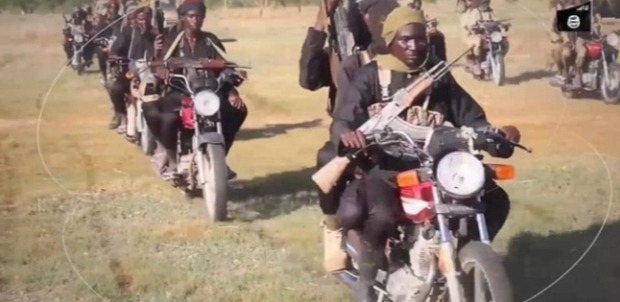
Fresh fears have gripped communities in Katsina State after suspected bandits reportedly ignored government-imposed security restrictions and launched a deadly attack that claimed the lives of at least seven residents in Matazu Local Government Area.
The latest bloodshed, which occurred on Thursday in the Matazu/Musawa axis, has renewed concerns over the effectiveness of emergency measures introduced to curb the activities of armed groups operating in the area.
Sources familiar with the incident told SaharaReporters that the attackers stormed the community despite the ongoing ban on motorcycle movement, telecommunications services and the sale of petrol in jerry cans in several parts of the State — restrictions introduced by the government to disrupt the logistics and mobility of criminal gangs.
Residents said the seven victims were buried shortly after the attack in accordance with Islamic rites.
The incident has further heightened anxiety among locals who say armed groups continue to move freely and carry out attacks despite the security measures put in place by the authorities.
Katsina remains one of the states most affected by banditry in Nigeria’s North-West region, with several local government areas repeatedly targeted by kidnappers, cattle rustlers and armed gangs in recent years.
The attack in Matazu comes amid growing frustration among residents who argue that restrictions on communication networks and fuel supplies have imposed hardship on law-abiding citizens without completely stopping attacks by criminal elements.
Meanwhile, another victim of bandit violence in Katsina, identified as Aliyu Hassan, has narrated the horrifying ordeal he suffered after gunmen allegedly poured petrol on him and set him ablaze during an attack on his farm in Batagarawa Local Government Area.
Hassan, who spoke in Hausa in a video shared on X by security analyst Bakatsine, said he survived only by repeatedly rolling on the ground until the flames were extinguished.
“They poured petrol on me and set me on fire, right on my head. They struck a match and lit it before leaving me there,” he recounted.
“I kept screaming and rolling on the ground in the sand. By God’s mercy, the fire eventually went out.”
The survivor said he and his family had already been displaced from their community because of persistent attacks and were currently living in Sabon Layi in Katsina town alongside other displaced persons.
“Honestly, we have not returned home. We don’t even have a proper place to stay,” he lamented.
According to Hassan, the attackers ambushed him while he was working on his farm during the planting season.
“I was on the farm when they arrived. I didn’t even realise they were coming,” he said.
He explained that the armed men demanded money and his mobile phone, insisting that his father had money and ordering him to lead them to his family home.
Hassan told them that his family had already fled their community due to insecurity and that he had only returned to cultivate the farmland because of the farming season.
However, he said the attackers ignored his explanation.
“They told me I was going to bathe. They dragged me to a nearby hut, tied my hands and legs, poured petrol on my head and set me on fire before leaving,” he narrated.
The victim said he would likely not have survived if a passerby had not found him and rushed him to hospital for urgent treatment.
According to him, he was initially treated at a medical facility near Malumfashi before being referred to Katsina for specialist care after several hospitals reportedly said they could not manage the severity of his injuries.
After struggling to secure adequate medical treatment, Hassan said some residents eventually directed him to a traditional burns specialist in Kawari village.
The incidents have once again drawn attention to the worsening security crisis in Katsina and other parts of Nigeria’s North-West, where communities continue to grapple with killings, kidnappings and mass displacement despite intensified military operations and government restrictions aimed at weakening armed groups.