The Federal Competition and Consumer Protection Commission has issued a strong warning to petroleum marketers across Nigeria, stating that companies found exploiting consumers through unfair fuel pricing could face regulatory sanctions.
The commission raised concerns after observing that petrol prices at filling stations have not dropped significantly despite recent declines in international crude oil prices and lower ex-depot rates from local refiners.
According to the agency, global oil prices have fallen steadily following easing geopolitical tensions in the Middle East, particularly after improved stability in major oil-producing regions. Despite this development, many consumers across Nigeria are still paying an average of about ₦1,200 per litre for petrol.
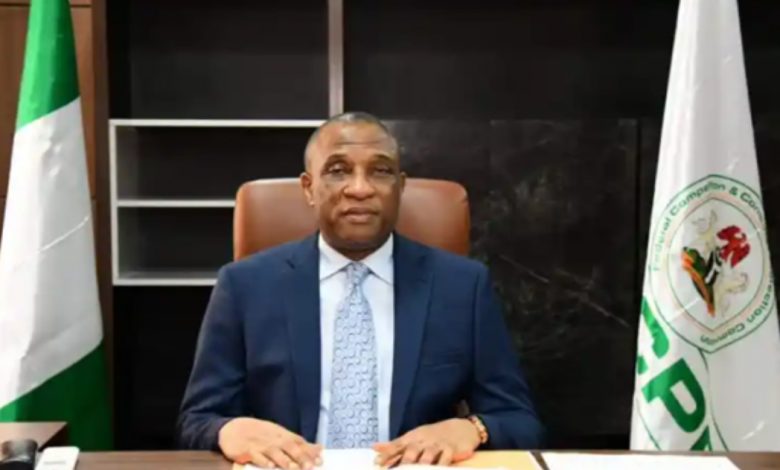
Speaking on the situation, FCCPC Executive Vice Chairman and Chief Executive Officer, Tunji Bello, said the commission is concerned about the delay in passing cost reductions down to ordinary Nigerians.
He explained that while fuel marketers often move quickly to increase pump prices whenever crude oil prices rise, consumers rarely enjoy the same speed of adjustment when international prices begin to fall.
The commission emphasized that a truly competitive market should operate fairly and ensure that price reductions are reflected in what consumers pay at filling stations.
Although Nigeria now operates a deregulated downstream petroleum market, the FCCPC noted that businesses are still required to obey fair competition laws and avoid exploitative practices that unfairly burden consumers.
The agency further explained that while fuel pricing can be influenced by several factors including exchange rates, transportation costs, financing expenses and distribution challenges, market liberalisation must not become an excuse for unjustified pricing.
The commission warned that any evidence of price manipulation, anti-competitive conduct, or deliberate exploitation of consumers could trigger formal investigations and enforcement actions against offending marketers.
Industry observers say the development signals growing pressure on fuel distributors as regulators move to ensure Nigerians begin to benefit from improving conditions in the global oil market.