Congo’s Ebola Outbreak Surpasses 4,000 Cases, Becoming Fastest-Spreading on Record

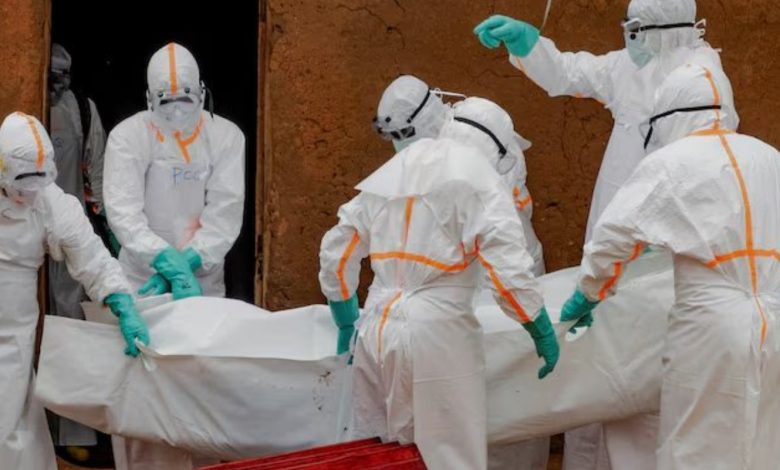
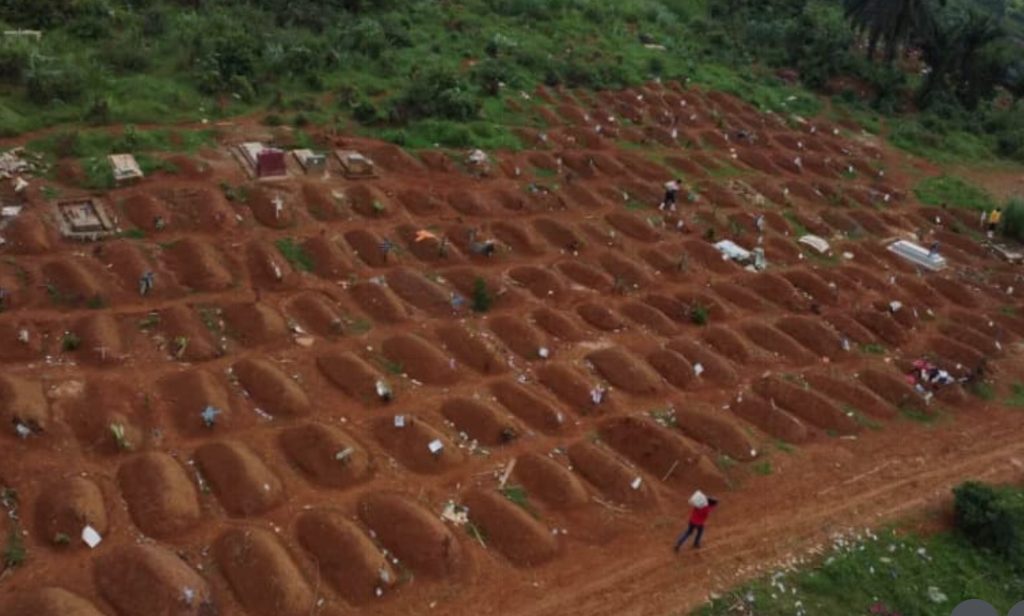
The Ebola outbreak in the Democratic Republic of Congo has surpassed 4,000 confirmed cases, health officials said, making it the largest epidemic in the country’s history and the fastest-spreading since the virus was first identified in 1976.
According to the latest data from Congo’s public health institute, confirmed cases have risen to 4,053 with 1,850 deaths recorded across five provinces in eastern DRC.
The outbreak was officially declared on May 15 after cases emerged in northeastern Ituri province. It is now the second-largest Ebola epidemic globally, after the 2014-2016 West Africa outbreak that recorded more than 28,000 cases.
Outpacing Previous Outbreaks
Health officials say the current epidemic is spreading about five times faster than previous outbreaks did at this stage.
The 2018-2020 Zaire Ebola outbreak in eastern Congo, previously the largest in the country, ended with 3,481 cases over two years. This outbreak took roughly two months to surpass 2,000 cases, a figure that took more than 10 months in 2018. By late July, it had already become the largest Ebola epidemic ever recorded in Congo.
WHO Director-General Tedros Adhanom Ghebreyesus warned that “the outbreak is moving fast, and we are still playing catch-up”, and that the DRC outbreak is “continuing to outpace the response”.
Challenges to Containment
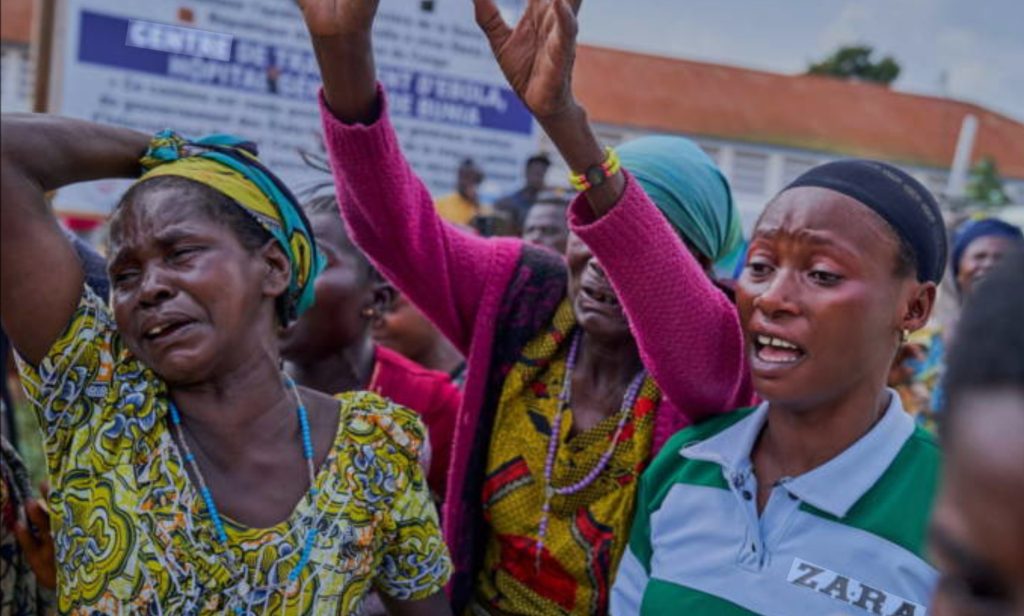
The outbreak is caused by the Bundibugyo strain of Ebola, a less common species for which no approved vaccine or specific treatment currently exists. That has complicated containment compared to previous outbreaks caused by the Zaire strain.
Other factors driving transmission include delayed detection, overwhelmed surveillance, military conflict, and population displacement. More than 80% of new infections are being detected outside known contact lists, indicating the virus is circulating undetected in some communities.
About 90% of cases remain concentrated in Ituri province, particularly in the health zones of Bunia, Rwampara, Mongbwalu and Nyakunde. Cases have also been confirmed in North Kivu, South Kivu, Haut-Uele and Tshopo provinces.
The case fatality rate currently stands at about 44%.
Response Efforts
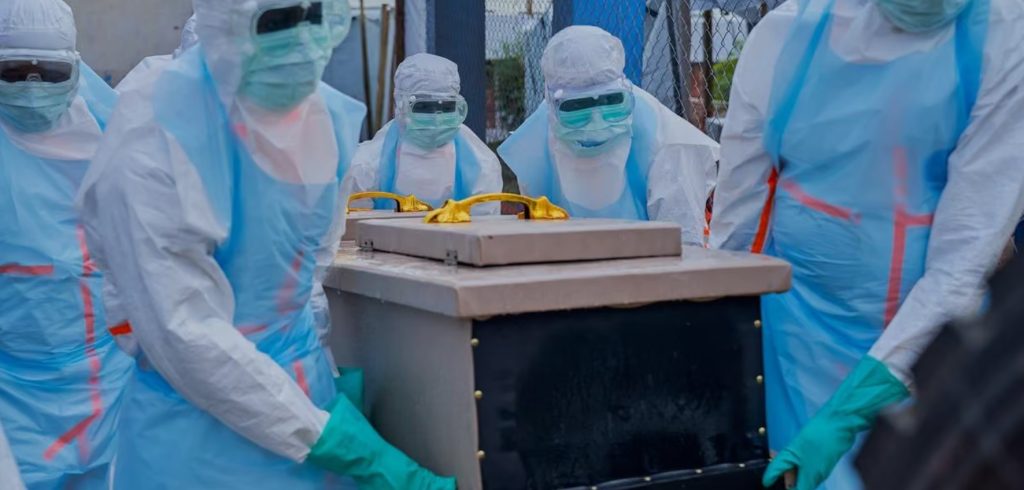
Authorities have expanded screening after intercepting a river boat near Kinshasa this week. Seven passengers with symptoms were tested, and all came back negative for Ebola. Health services have been instructed to screen all boats arriving in Kinshasa to prevent spread to the capital of more than 17 million people.
Researchers are racing to develop vaccines and treatments against the Bundibugyo strain. Oxford University said Friday that the first volunteer group had received an experimental vaccine targeting the virus.
WHO estimates suggest the true scale of the outbreak may be at least double, and possibly up to four times, the official tally.
The DRC is now battling its 17th Ebola epidemic since the virus was first identified in the country.