ACCRA, Ghana: Ghana is working towards supplying electricity to Nigeria as part of a broader plan to position the country as a major energy hub for the West African sub-region.
Ghana’s Minister of Energy and Green Transition, John Abdulai Jinapor, disclosed the development, saying the country is seeking to expand its electricity export market while building enough generation and transmission capacity to meet domestic demand.
Jinapor said Ghana already exports electricity to Burkina Faso, Benin, Togo and Côte d’Ivoire, adding that discussions are ongoing to include Nigeria among the countries receiving power from Ghana.
“We are exporting power to Burkina Faso, Benin, Togo and Côte d’Ivoire, and we are working to export power to Nigeria,” the minister said.
Ghana’s energy hub ambition
According to the minister, expanding electricity exports is part of Ghana’s larger ambition to become a reliable energy supplier across West Africa.
He said the government wants to develop sufficient generation and transmission infrastructure that will allow Ghana to meet its own electricity needs while also supplying neighbouring countries.
Jinapor believes that achieving this objective would help transform Ghana into an energy hub for the West African region.
Ghana’s Ministry of Energy and Green Transition says the country already has cross-border electricity connections with neighbouring countries, while ongoing grid expansion is expected to create opportunities for further regional electricity exports.
Nigeria becomes a major target market
Nigeria represents a significant potential market because of its large population and substantial electricity demand.
However, supplying Nigeria would require appropriate transmission infrastructure and arrangements capable of supporting increased cross-border electricity trade. Jinapor acknowledged that Ghana would need to strengthen its transmission capacity as it expands its regional electricity ambitions.
The proposed electricity relationship is not entirely new. In 2025, Jinapor disclosed that Ghana and Nigeria were exploring a possible gas-for-power arrangement, under which Ghana could use Nigerian gas to generate electricity and potentially export power back to Nigeria.
Gas, renewable energy and nuclear power
Ghana is also pursuing a diversified energy strategy to increase the reliability of its electricity supply.
The government plans to combine natural gas, renewable energy and nuclear power as part of its long-term strategy. The minister has argued that a stable and reliable power supply will be essential to supporting Ghana’s industrial ambitions, including President John Dramani Mahama’s 24-Hour Economy programme.
The country is simultaneously expanding its renewable energy capacity. A programme to develop up to 1.5GW of utility-scale solar power, backed by battery storage, is being rolled out, with the first 100MW facility beginning construction in August 2026.
Ghana’s power sector currently relies heavily on hydro and thermal generation. The Ministry of Energy says existing installed generation capacity is about 4,132MW, comprising roughly 38% hydro, 61% thermal and less than 1% solar.
Regional electricity trade
Ghana has been involved in cross-border electricity trading for years, using connections through the regional power network to supply neighbouring countries.
The World Bank has previously noted that Ghana’s electricity demand is rising and warned that additional generation capacity would be necessary to maintain its ability to supply regional markets as domestic consumption increases.
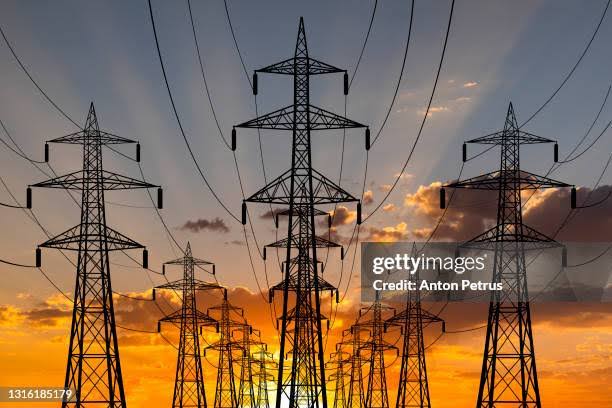
The government’s latest plan therefore places emphasis not only on generating more electricity but also on expanding the transmission network needed to move power within Ghana and across its borders.
If Ghana succeeds in adding Nigeria to its electricity export destinations, the move could deepen energy cooperation between two of West Africa’s largest economies and strengthen the region’s interconnected electricity market.
For Ghana, the objective is clear: produce more power, expand transmission infrastructure and use its energy resources to become a major electricity supplier across West Africa.