
WhatsApp to Charge Nigerian Businesses Per Message From October 1
New pricing will affect businesses using WhatsApp’s Business Platform, while ordinary users will continue sending personal messages without per-message charges.

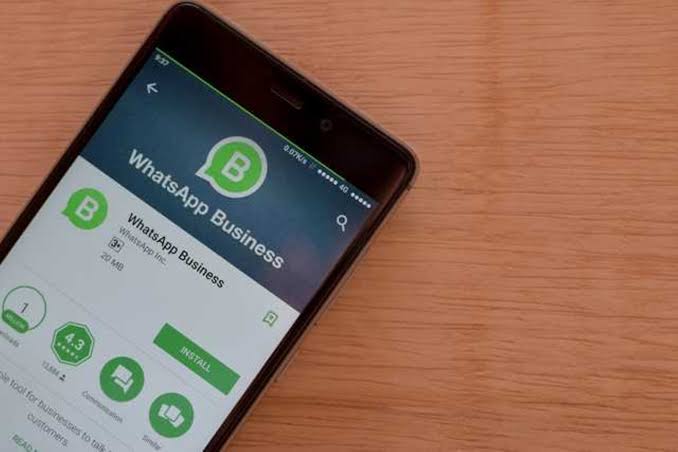
LAGOS, NIGERIA: Nigerian businesses that rely on WhatsApp to communicate with customers are set to face higher messaging costs from October 1, 2026, as Meta introduces new per-message charges on the WhatsApp Business Platform.
The new pricing will affect businesses using the WhatsApp Business Platform, formerly known as the WhatsApp Business API, particularly companies that use automated systems, customer-service platforms and large-scale messaging to interact with customers.
Under the new pricing structure, businesses will be charged for certain messages delivered to customers, with the amount depending on the type of message and the country of the recipient.
In Nigeria, chargeable utility messages are expected to cost around $0.0101, approximately ₦14 per message, while marketing messages are considerably more expensive.
Utility messages include communications such as payment confirmations, order updates and other transactional information, while service-related messages are used when businesses respond to customers seeking assistance.
The new pricing means businesses that send thousands or millions of WhatsApp messages every month could see a noticeable increase in their communication expenses.
Banks, fintech companies, retailers, airlines, e-commerce platforms and other organisations that rely heavily on WhatsApp for customer support, sales and automated notifications could be among those affected.
Ordinary WhatsApp Users Will Not Be Charged
Despite claims that WhatsApp is about to become more expensive for Nigerians, the new charges do not mean ordinary users will have to pay to send personal WhatsApp messages.
The charges apply to businesses using the WhatsApp Business Platform. Nigerians using the regular WhatsApp application for personal chats will continue to use the service without paying a per-message fee.
The change is part of Meta’s wider efforts to generate revenue from WhatsApp’s growing business ecosystem, as more companies use the platform for customer service, marketing, sales and automated communications.
Nigerian businesses that depend heavily on WhatsApp may therefore need to review their messaging strategies and budgets ahead of the October 1 implementation.
The development is expected to generate fresh discussions among businesses about the cost of digital communication and the growing role of messaging platforms in Nigeria’s commercial sector.