
US Moves to End 60-Day Grace Period for Immigrants on Work Visas
Trump administration proposes ending the 60-day period that allows certain foreign workers to remain in the U.S. after losing their jobs.

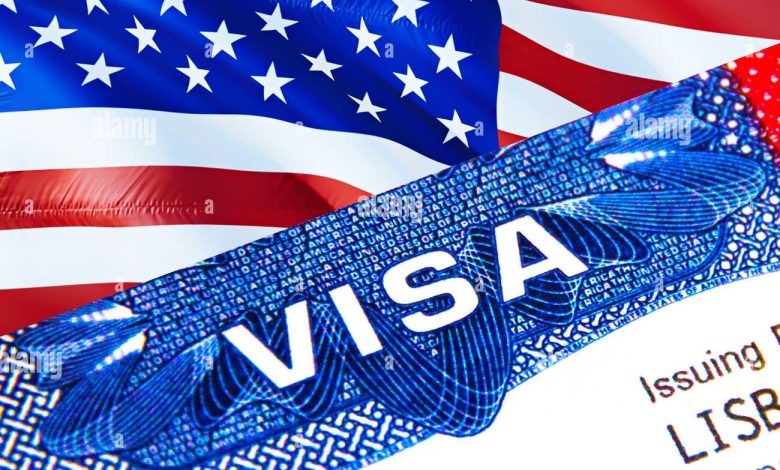
WASHINGTON, USA: The administration of President Donald Trump has proposed ending the 60-day grace period currently available to certain immigrants on U.S. work visas who lose their jobs, a move that could force affected workers to leave the country much sooner.
Under the existing system, eligible foreign workers whose employment ends can generally remain in the United States for up to 60 days while looking for another employer, changing their immigration status or making arrangements to leave the country.
The proposed Department of Homeland Security (DHS) rule would eliminate that grace period for several categories of temporary employment-based visa holders.
The affected categories include H-1B, H-1B1, L-1, O-1, E-1, E-2, E-3 and TN visa holders, among others.
If the proposal becomes law, an immigrant whose employment is terminated could face immediate pressure to secure another lawful immigration arrangement or leave the United States.
The Trump administration argues that the move would reinforce the requirement that temporary immigration status remains connected to employment and could help protect opportunities for American workers.
However, immigration advocates and businesses have raised concerns about the impact on skilled foreign workers and their families, particularly those who have spent years building their lives in the United States.
The proposal is not yet law. It must go through a public comment process before the administration can decide whether to make the change final. The current 60-day grace period therefore remains in effect for eligible workers for now.
The proposed change is part of the Trump administration’s broader effort to tighten U.S. immigration policies, including both legal and undocumented immigration.
For thousands of foreign professionals, the proposal could mean that losing a job in America would carry far more serious immigration consequences than it does under the current rules.