Concerns have emerged over the United Kingdom’s transit visa procedures after a Nigerian traveller reportedly lost nearly £2,000 due to repeated visa refusals that prevented her from transiting through Heathrow Airport.
The case, as reported by The Guardian, centres on the UK’s Direct Airside Transit Visa (DATV) system, which requires certain passengers to obtain permission even if they are not entering the country but only passing through an airport.
The incident has drawn attention to how transit rules can affect international travellers, particularly those from countries subject to stricter immigration screening.
Wedding Travel Plans Disrupted
According to the report, the traveller was meant to attend a destination wedding in Barbados as a bridesmaid for a close friend, a British citizen identified as Andrea.
The journey from Nigeria to Barbados required a transit stop at Heathrow Airport, which triggered the need for a DATV.
Although the traveller was not planning to enter the United Kingdom, the transit requirement meant she still had to undergo the visa application process before travel.
Multiple Applications and Repeated Refusals
Over the course of several weeks, four separate visa applications were submitted in an attempt to secure approval for the transit journey.
Each application involved standard processing fees, biometric registration appointments, and supporting documentation, including travel details and personal records.
However, all four applications were refused by UK immigration authorities.
The refusal decisions reportedly questioned the authenticity of the relationship between the traveller and the bride, and raised concerns about the supporting evidence provided.
In addition, the assessment process allegedly included inconsistencies in the interpretation of financial records, which contributed to the negative outcome.
Financial Cost of the Process
The repeated applications resulted in significant financial loss.
According to the report, the total cost of visa fees, supporting documentation, and related expenses amounted to approximately £2,000.
Because visa application fees are generally non-refundable, each refusal added to the financial burden.
The traveller also faced additional costs linked to travel arrangements that could not be completed due to the visa outcome.
No Formal Appeal Route
One of the key issues highlighted in the case is the lack of a formal appeal process for Direct Airside Transit Visa refusals.
Instead of an appeal, applicants are typically required to submit new applications, each requiring additional fees and documentation.
Critics argue that this structure can lead to repeated financial losses without providing a clear mechanism for independent review of decisions.
In this case, attempts to resolve the issue through further applications did not result in a change of outcome.
Alternative Routes Suggested
The refusal decisions reportedly included suggestions that the traveller consider alternative international travel routes that did not involve transit through the UK.
However, these alternatives involved significantly longer journeys and additional travel costs, making them less practical for the planned wedding schedule.
The bride and her guest reportedly found these alternatives unsuitable for the timing and nature of the trip.
Emotional and Personal Impact
Beyond the financial implications, the visa refusals also affected personal plans.
The traveller had been expected to play an important role in the wedding ceremony in Barbados. Her absence meant a close friend was unable to attend a major life event.
The situation added emotional strain during a period that was intended to be celebratory, as uncertainty continued throughout the visa application process.
Wider Concerns About Transit Visa Policy
The case has contributed to broader discussions about the UK’s transit visa system, particularly the DATV requirement.
Supporters of the system say it helps maintain border security by screening travellers passing through UK airports.
However, critics argue that it can create unexpected barriers for passengers who are not entering the country and may have no connection to the UK beyond transit flights.
The report notes that thousands of transit visa applications are processed annually, with a portion refused under current guidelines.
Government Position
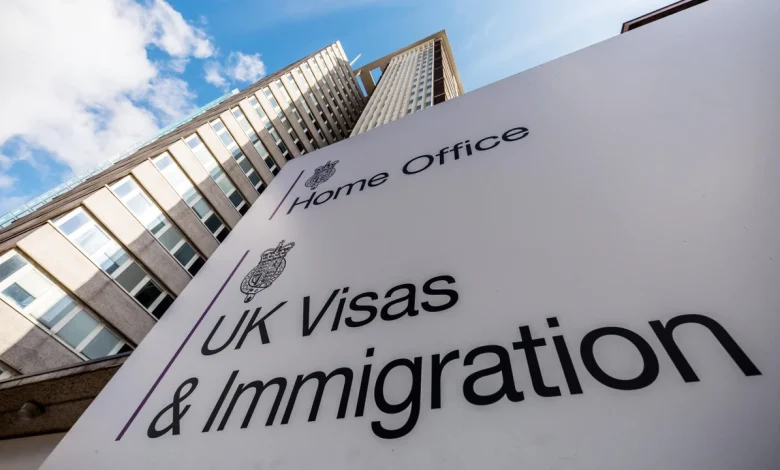
The UK Home Office maintains that transit visa rules are an important part of border management and are applied consistently based on established criteria.
Officials have previously stated that such systems are designed to prevent misuse of transit routes and ensure compliance with immigration standards.
No specific comment was provided addressing the individual case highlighted in the report.
The reported case highlights how transit visa requirements can have significant financial and personal consequences, even when travellers are not entering the country.
As reported by The Guardian, the situation has raised renewed scrutiny of the UK’s DATV system and its impact on international travel arrangements.
For those affected, the combination of strict documentation requirements, repeated application costs, and lack of appeal options can result in both financial loss and disrupted personal plans.