
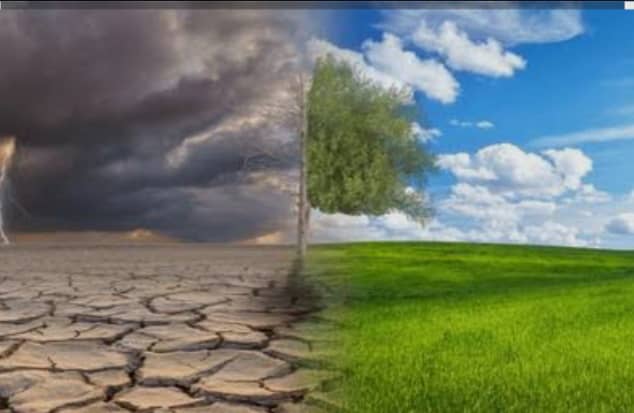
The planet is drifting further into dangerous territory, with scientists warning that Earth’s climate system is now more unstable than ever recorded. A new report from the World Meteorological Organisation (WMO) points to soaring greenhouse gas levels and rising temperatures as clear signs of a worsening global crisis.
In its latest State of the Global Climate report released on Monday, the WMO revealed that key greenhouse gases – carbon dioxide, methane, and nitrous oxide – hit record levels in 2024 and have continued to rise into 2025.
This build-up of heat-trapping gases is pushing temperatures higher across the globe, both on land and in the oceans. The result: more intense and frequent extreme weather events that are putting millions of lives at risk.
According to WMO Deputy Executive Secretary Ko Barrett, the period from 2015 to 2025 has been the hottest stretch ever recorded.
“By 2025, global temperatures were about 1.43°C above pre-industrial levels, bringing us dangerously close to the 1.5°C limit linked to severe climate consequences,” she said.
The report details the widespread damage caused by extreme weather in 2025 – from deadly heatwaves and floods to prolonged droughts, wildfires, and powerful storms – leading to loss of lives, displacement, and major economic setbacks.
Barrett also warned that the effects go beyond immediate disasters, with growing concerns around food shortages, heat-related health issues, and the spread of diseases carried by mosquitoes.
WMO scientist John Kennedy explained that the imbalance comes from excess heat being trapped in the Earth’s system.
“With more energy coming in than going out, that extra heat has to go somewhere. Around 90 per cent of it is absorbed by the oceans, which is driving marine heatwaves and increasing risks for coastal communities,” he said.
He added that over three billion people depend on oceans and coastal environments for survival, while nearly 11 per cent of the world’s population lives in low-lying coastal areas vulnerable to climate threats.
WMO Secretary-General Celeste Saulo stressed that human activity is at the heart of the problem.
“We are disrupting the planet’s natural balance, and the consequences will last for generations,” she warned.
Reacting to the findings, António Guterres described the situation as critical.
“Every major climate signal is flashing red. This is no longer a pattern; it’s a warning. The world has just gone through its 11 hottest years on record, and that demands urgent action,” he said.
The WMO is now calling on governments worldwide to step up climate action by improving early warning systems, strengthening climate data, and investing in measures that protect vulnerable communities from the growing impact of global warming.