Israel has openly questioned Pakistan’s involvement in the delicate negotiations aimed at easing tensions between the United States and Iran, raising fresh doubts about the country’s role as a diplomatic mediator.
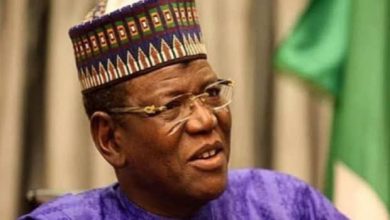
Speaking recently, Reuven Azar said Israel does not see Pakistan as a “credible player” in the ongoing efforts to facilitate dialogue between Iran and the United States.
Although he acknowledged that Washington may have strategic reasons for engaging Islamabad in the process, Azar made it clear that Israel’s attention remains firmly fixed on its own security concerns — particularly the dismantling of militant infrastructure in southern Lebanon.
The remarks come just days before planned high-level talks between American and Iranian officials scheduled for April 11. Reports suggest that J.D. Vance could travel to Islamabad as part of diplomatic efforts to push the negotiations forward.
Azar compared the current situation to earlier diplomatic efforts in the Middle East where the U.S. relied on countries such as Qatar and Turkey to help broker temporary ceasefires during conflicts involving Gaza. However, he stressed that Israel intends to stay closely aligned with Washington on the substance and outcome of any agreement that emerges from the talks.
Beyond the broader negotiations, the ambassador also addressed the situation along Israel’s northern border. He drew a clear line between discussions involving Iran and Israel’s ongoing military operations targeting Hezbollah in Lebanon.
According to Azar, Israel’s objective in the region is straightforward: ensure that Hezbollah’s military presence is eliminated from southern Lebanon and prevent the group from threatening Israeli communities. He argued that responsibility for enforcing this ultimately lies with the Lebanese government.
Azar added that recent operations by the Israeli Air Force had resulted in the deaths of more than 250 Hezbollah fighters. Israel insists the group must be disarmed and pushed back from areas south of the Litani River, which has long been viewed as a strategic buffer zone.
On the broader issue of negotiations with Iran, Azar said Israel hopes diplomacy will eventually neutralise what it sees as major security threats — particularly Iran’s nuclear ambitions and its ballistic missile programme.
Despite publicly backing the current ceasefire discussions, Israeli officials remain cautious about the stability of the arrangement.
Iranian authorities have accused Israel of undermining the fragile pause in hostilities, warning that continued military activity in Lebanon could derail the truce and trigger renewed tensions in the strategically vital Strait of Hormuz.
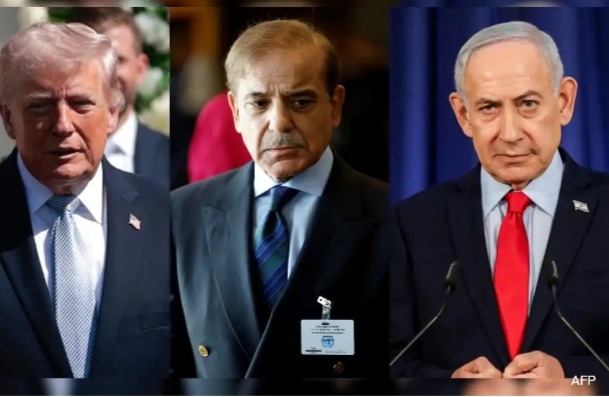
Adding another layer of complexity, both Donald Trump and Benjamin Netanyahu have stated that the ongoing ceasefire negotiations do not apply to the conflict involving Lebanon.
As diplomatic efforts continue behind closed doors, attention is now turning to whether the proposed 15-point framework being discussed by negotiators can satisfy the competing security concerns of all sides — and keep the region from sliding back into open conflict.