King Charles Embarks on High-Stakes US Mission: What It Means for UK–US Relations, Climate, and Global Diplomacy
Buckingham Palace signals a strategic diplomatic push as King Charles strengthens ties with the United States amid global economic and climate challenges

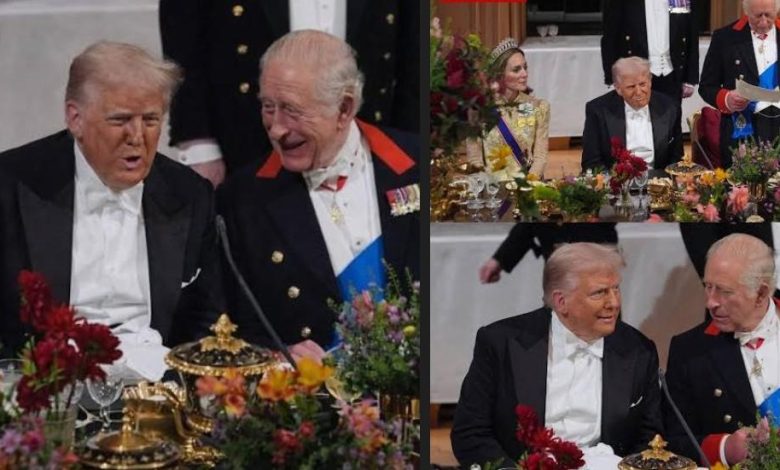
UK–US: King Charles III is once again at the center of global attention as reports indicate he is undertaking a significant diplomatic engagement involving the United States. While Buckingham Palace has not released exhaustive details, the visit is widely understood to carry strategic importance for both nations, particularly in areas such as climate cooperation, economic stability, and long-standing political ties.
This development comes at a time when global alliances are being reshaped by economic uncertainty, environmental pressures, and shifting geopolitical priorities. As monarch, King Charles III continues to play a constitutional but influential soft-power role in reinforcing Britain’s international relationships.
A Royal Mission with Global Weight
The relationship between the United Kingdom and the United States has long been described as a “special relationship,” rooted in shared history, language, and political alignment. However, modern diplomacy increasingly extends beyond ceremonial ties, focusing on urgent global challenges such as energy transition, artificial intelligence regulation, trade stability, and security cooperation.
King Charles III’s involvement is seen as part of a broader effort to reinforce these bonds through symbolic diplomacy and high-level engagement.
While the monarch does not set government policy, his international visits often serve to strengthen goodwill and open channels for dialogue between nations. In this context, the US mission is viewed as both symbolic and strategically timed.
Focus Areas: Climate, Economy, and Global Stability
One of King Charles III’s most well-known long-term interests is environmental conservation. Long before ascending the throne, he was an outspoken advocate for climate action and sustainability. Observers expect that climate-related discussions will be central to any engagements during his US mission.
Climate Cooperation
The United Kingdom and United States have both committed to climate targets under international agreements such as the Paris Accord. However, implementation strategies differ significantly. Royal diplomacy can play a role in encouraging collaboration between governments, private sector leaders, and environmental institutions.
Economic Dialogue
With ongoing global inflation concerns and fluctuating energy markets, economic cooperation between the UK and US remains crucial. Trade partnerships, investment flows, and financial regulation may all form part of broader discussions surrounding the visit.
Global Stability
The monarch’s engagements often extend to broader global stability concerns, including humanitarian aid, conflict resolution, and multilateral cooperation through organizations such as the United Nations and Commonwealth-linked initiatives.
Buckingham Palace’s Diplomatic Approach
Buckingham Palace traditionally maintains a cautious communication strategy, especially regarding overseas visits. Instead of releasing detailed political commentary, the Royal Household typically emphasizes ceremonial duties, cultural engagements, and public diplomacy.
In this case, no detailed official statement outlining specific negotiations or policy objectives has been made public. However, royal sources generally frame such visits as part of strengthening international relationships and promoting shared values.
A Palace spokesperson in similar past engagements has emphasized:
“His Majesty’s role is to support and enhance the United Kingdom’s diplomatic relationships through engagement, dialogue, and cultural exchange.”
While this statement is not tied specifically to the current US mission, it reflects the standard framework under which royal foreign visits are conducted.
The Role of King Charles in Modern Diplomacy
As King Charles III, King Charles occupies a unique constitutional position. Unlike elected leaders, his influence lies in continuity, symbolism, and long-term relationship building rather than direct policymaking.
Royal diplomacy often includes:
State visits and official receptions
Meetings with political leaders and cultural figures
Engagement with environmental and humanitarian organizations
Promotion of UK cultural and economic interests abroad
These activities are designed to complement, rather than replace, government foreign policy led by the Prime Minister and Foreign Office.
US–UK Relations in a Changing World
The United States and United Kingdom continue to collaborate across several major global domains:
Security Cooperation
Both nations maintain strong intelligence-sharing arrangements and defense partnerships, including NATO commitments and joint military operations.
Trade and Technology
Post Brexit trade discussions and technological innovation partnerships remain central to bilateral relations. Artificial intelligence, cybersecurity, and digital regulation are emerging areas of focus.
Cultural and Educational Exchange
Educational programs, scholarships, and cultural exchanges continue to strengthen people-to-people ties between both countries.
King Charles’ engagement is expected to reinforce these areas through soft diplomacy and symbolic representation.
Public and Global Reaction
While official details remain limited, international observers generally view such royal visits as stabilizing diplomatic events. Royal engagements in the United States often attract significant media attention due to the historical fascination with the British monarchy.
Public interest is particularly strong when the monarchy engages with global issues such as climate change, sustainability, and humanitarian causes.
However, as with many high-profile royal activities, commentary varies across political and public opinion circles. Some view these visits as important diplomatic tools, while others see them as largely ceremonial.
No Confirmed New Policy Announcements
At the time of writing, there are no verified reports of new policy agreements or binding diplomatic decisions emerging from King Charles’ US mission. Likewise, no exclusive official quotes directly addressing the specific objectives of this visit have been released beyond general royal communications.
Any updates from Buckingham Palace or US officials would be expected to clarify the scope and outcomes of the engagement in due course.
King Charles III’s reported US mission highlights the continuing role of the monarchy in international diplomacy, particularly in reinforcing alliances and promoting dialogue on global challenges. While the visit may not directly shape policy, its symbolic importance remains significant in strengthening UK–US relations.
As global issues become increasingly interconnected—from climate change to economic stability—the importance of diplomatic engagement at all levels continues to grow. This royal mission reflects that evolving landscape, where tradition and modern diplomacy intersect on the world stage.