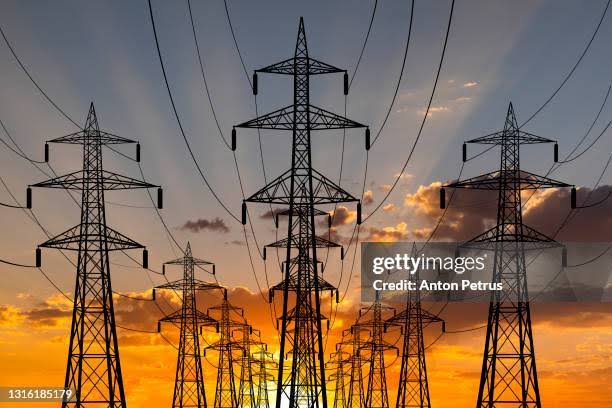
LAGOS, NIGERIA: The Lagos State Government has set a target of increasing electricity supply across the state to 3,000 megawatts (MW) by March 2027, up from the current level of about 1,000MW, as part of efforts to address persistent power outages and support a 24-hour economy.
The proposed increase is expected to strengthen electricity availability for households, businesses and industries in Nigeria’s commercial capital, where unreliable power supply has continued to pose challenges to economic activities.
According to the plan, the state is seeking to expand electricity supply to meet the growing energy demands of its rapidly developing population and business community.
Achieving the 3,000MW target would represent a threefold increase in supply and could help businesses reduce their dependence on expensive alternative power sources, including petrol and diesel generators.
Reliable electricity is also considered critical to improving productivity, attracting investment, supporting manufacturing and creating an environment where businesses can operate for longer hours.
However, the extent to which residents and businesses will benefit will depend not only on increased generation but also on effective transmission, distribution infrastructure and the capacity to deliver electricity consistently across communities.
The March 2027 deadline will therefore be an important milestone in determining whether Lagos can move closer to its ambition of establishing a 24-hour power economy.