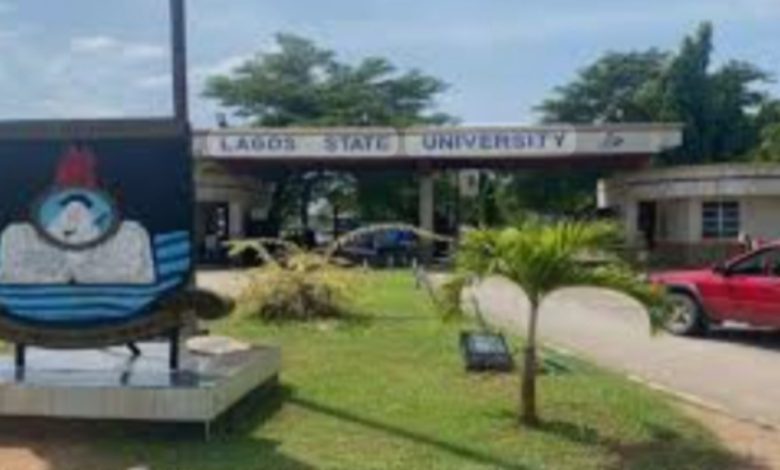
Students at Lagos State University (LASU) are demanding an urgent review of the university’s part-time tuition fees after a sharp increase pushed costs as high as ₦350,000.
A check of the LASU portal for part-time students confirms the revised fees, which have sparked widespread frustration and concern over affordability. Many students argue that the steep hike is making higher education increasingly inaccessible for ordinary Lagos residents.
Most affected are self-sponsored students from working-class families, who say the increase comes amid mounting economic pressures, making it nearly impossible to continue their studies without financial strain.
Speaking anonymously, some students described the development as “discouraging” and “unfair,” revealing that several have already had to pause or drop out entirely because they cannot meet the new requirements. Others noted they had invested years into their programs, only to be hit by the sudden fee jump, intensifying their frustration.
“We chose a state university because we believed it would be affordable,” one student said. “But now it feels like we are being priced out of our own school.” Another added, “Many students have been forced to drop out because of this.”
Education advocates are raising concerns over why a publicly funded institution like LASU is making education increasingly unaffordable for the very residents it was established to serve. Critics argue that state universities should prioritise accessibility, particularly for indigenes and low-income earners.
In response, calls are mounting for both the Lagos State Government and LASU management to urgently review the fee increase and adopt more inclusive policies. Suggested solutions include instalment payment plans, expanded financial aid, and targeted subsidies for part-time students struggling with the elevated fees.
Student groups are reportedly mobilising to demand dialogue with university authorities and government officials, warning that without intervention, more learners may be forced to suspend or abandon their studies, jeopardising both academic progress and future career prospects.
The controversy has also sparked broader debates about equity in state-funded education. Stakeholders argue that higher education should remain a genuine pathway to social mobility and skills development, rather than a privilege reserved for those who can absorb sudden cost hikes.
As tensions rise, LASU faces growing pressure to reconsider the part-time tuition hike, which now sees students paying up to ₦350,000. Both students and advocates hope swift action will restore access, ensuring part-time programmes remain affordable for all Lagos residents striving to advance their education.