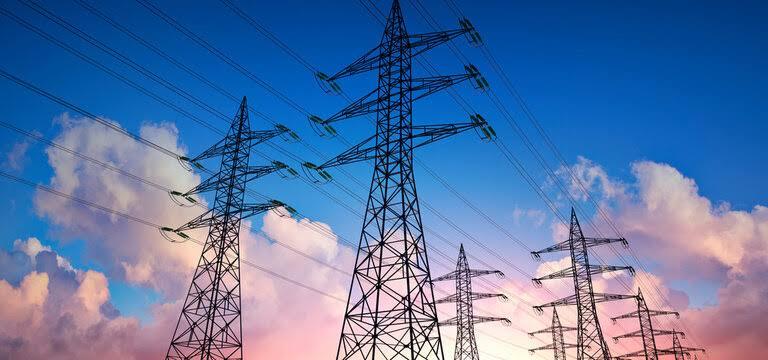
Between February 12 and February 15, 2026, residents across Nigeria experienced a significant drop in their electricity supply. This interruption not only affected homes but also impacted businesses, schools, and essential services. The power outages, which were widespread, were anticipated to persist for a continuous three-day period, leaving many communities to adapt to the challenges posed by reduced electricity availability. As households relied on generators and alternative lighting sources, the situation underscored the ongoing issues within the country’s power infrastructure.
This disruption happened because Seplat, working with the Nigerian National Petroleum Company Gas Infrastructure Company (NGIC), began planned upkeep on its gas production sites during this period. The work started on February 12 and was scheduled to end on February 15, 2026.
Because of this work, the amount of electricity available from the national grid was lower than usual.
The Nigerian Independent System Operator (NISO) commented on the situation, saying that the repair work had a negative impact on several power plants. These included Egbin, Azura, Sapele, and Transcorp Power Plants, as well as NDPHC Sapele, Olorunsogo, and Omotosho Power Plants. All of these plants were affected.
NISO stated that they anticipated the gas supply to return to its normal level on February 16, 2026.
Electricity distribution companies had already started to see that Nigerians were getting less electricity.
The Enugu Electricity Distribution Company (EEDC) let its customers in Enugu, Anambra, and Ebonyi states know on Thursday that they would be managing the electricity load. This means that power might be switched off in certain areas for a period so that others can have power.
Emeka Ezeh, who speaks for EEDC, said in a statement that customers who get their electricity from EEDC’s subsidiary companies (MainPower, FirstPower, and Eastland) in Enugu, Anambra, and Ebonyi States would be affected by this situation.