
Nigerians in Diaspora Question Hidden Agenda Behind APC’s ₦100M Primary Fee_
As ruling party unveils 2027 timetable April 20 with ₦100M presidential fee, Nigerians abroad query timing, cost, and whether price screens out aspirants

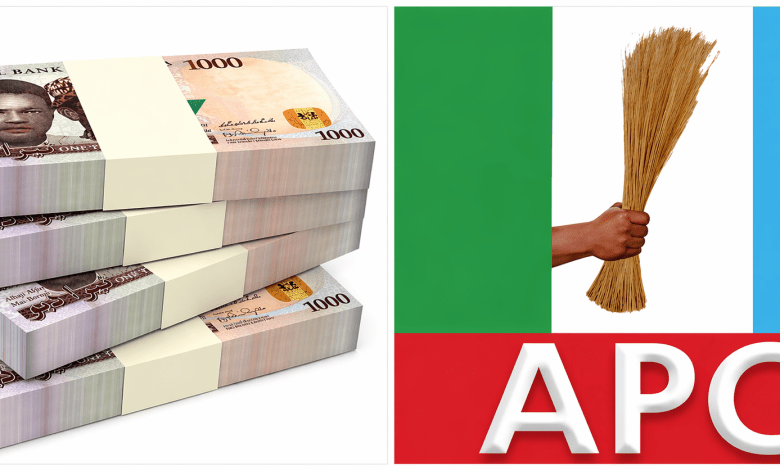
LONDON/ABUJA, NIGERIA The All Progressives Congress has officially fired the starting gun for the 2027 race, but the price of entry is already raising eyebrows especially among Nigerians in the diaspora.
On Monday, April 20, 2026, the ruling party unveiled its full primary election timetable, fixing May 15 for the presidential contest and pegging the ticket at ₦100 million: ₦30 million for the expression of interest form and ₦70 million for nomination.
Within hours, questions emerged across diaspora WhatsApp groups and X communities: Is there a hidden agenda behind the cost and early release? With diaspora remittances to Nigeria topping $20 billion yearly, many Nigerians abroad say they feel financially invested in the country’s future but politically priced out of contesting.
The debate is simple: Does a ₦100 million gate fee strengthen internal democracy, or quietly screen out competent aspirants without deep pockets before campaigns even start?
The Full Timetable And Cost Breakdown
The schedule, released in Abuja via the party’s official X handle @OfficialAPCNg and signed by National Organising Secretary Sulaiman Muhammad Argungu, lays out the entire process.
Sale of expression of interest and nomination forms runs from April 25 to May 2, 2026. Completed forms must be returned by Monday, May 4, 2026.
Screening for all aspirants — from State Houses of Assembly to the Presidency — is slated for May 6 to May 8, with results expected on May 11. Those dissatisfied can file appeals between May 12 and May 13.
The APC will conduct its primaries in stages, beginning with the presidential primary from May 15 to May 16. This will be followed by House of Representatives primaries on May 18, Senate on May 20, State Assembly on May 21, and governorship contests on May 23.
Appeals after the primaries will also run in phases, starting with the presidential category on May 18 and ending with governorship appeals on May 25.
At the heart of the announcement is the cost breakdown. Governorship aspirants will pay a combined ₦50 million — ₦10 million for expression of interest and ₦40 million for nomination. Senate hopefuls are pegged at ₦20 million, House of Representatives forms cost ₦10 million, and State Assembly aspirants are to pay ₦6 million.
In a move aimed at inclusivity, the party says women, youths, and persons with disabilities will pay full price for the expression of interest form but only 50% of the nomination fee.
Party: ‘It’s For Transparency And Fairness
Reacting to the release, APC National Publicity Secretary, Felix Morka, said the schedule follows Nigeria’s constitutional and electoral guidelines, including the Electoral Act 2026 and INEC’s approved timetable for the 2027 elections.
Speaking on the rationale behind the pricing, Morka said the structure is designed to ensure a transparent and competitive primary election process. “The outlined schedule reflects the party’s resolve to strengthen internal democracy while ensuring fairness and equal opportunity for all aspirants,” Morka stated. “The early release of the timetable is intended to give aspirants adequate time to prepare and comply with all requirements.”
He added that the party remains committed to strengthening internal democracy and consolidating its progressive ideals ahead of the 2027 polls.
Internal Pushback: ‘Premature Political Charade’
However, not all party voices welcomed the early kick-off. APC chieftain Ambassador Abayomi Nurain Mumuni warned against what he called “premature politicking” amid the timetable release.
“The premature formation of a 2027 political forum is unwarranted. It appears to be a mere façade created by former presidential aspirants seeking personal favor from the President,” Mumuni said, urging party members to instead “bolster President Tinubu’s initiatives by contributing to the advancement of their respective states and enhancing the welfare of the populace.”
Mumuni added: “It is farcical that individuals in need of guidance are endeavoring to assume advisory roles with the President. This entire spectacle is a political charade that our beloved country can ill afford at this time.”
Why The ‘Hidden Agenda’ Question Matters.
For diaspora communities, the concern goes beyond price. It’s about access and trust. When a nomination form costs ₦70 million, the unspoken question becomes: How much will the entire campaign cost, and where does that money come from?
Without clear disclosure on how nomination fees are used, some Nigerians abroad argue, the high barrier fuels suspicion that the process favours only established money networks. Others counter that high fees filter out unserious aspirants and fund party logistics.
With over 17 million Nigerians living abroad, the diaspora’s voice on electoral cost is no longer fringe. As the APC officially kicks off its internal build-up to what is expected to be a high-stakes 2027 general election, that voice is asking for clarity