
Nigeria’s NCC is planning to use satellite tech to give phone access to 23.3 million Nigerians

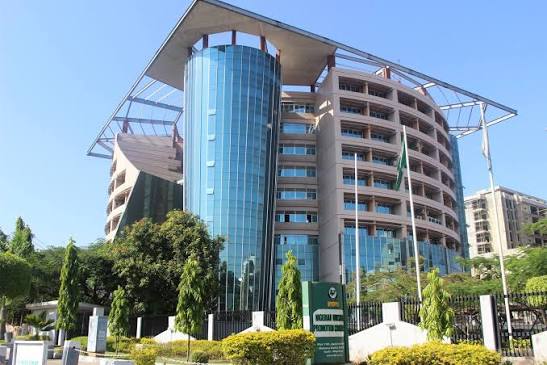
The Nigerian Communications Commission (NCC) has announced it wants to use satellite-to-phone technology to give about 23.3 million more Nigerians access to mobile networks. Right now, these people can’t get service through regular cell towers.
This is part of the NCC’s plan to fix Nigeria’s digital gap, especially in rural and remote places where putting up regular cell towers is too expensive or just not possible because of the land.
The NCC says this new tech will let normal smartphones connect straight to satellites for calls, texts, and data. No cell towers needed! It’s called satellite-to-phone or direct-to-device, and it’s becoming a popular way to fix the problem of getting service to those hard-to-reach areas.
How it Works
Satellite-to-phone lets phones talk directly to satellites orbiting Earth instead of relying on towers on the ground. So, if you’re in an area without cell service, you can still send messages, make emergency calls, and get basic data if your phone works with the tech and your mobile company turns on the service.
The NCC says this isn’t meant to replace cell towers in cities, but to fill in the gaps in areas that don’t have good service. This includes places like river areas, mountains, border towns, and rural areas where it’s always been hard to get a good signal.
People in the phone industry say this could really help with emergency calls, getting more people into the financial system with digital services, online education, and even telemedicine in areas that don’t have good service now.
Nigeria’s phone regulator has said many times how important it is for everyone to have access to phone service as part of the country’s plan for a digital economy. Mobile phone use has gone up over the years, but millions of Nigerians still can’t get reliable call and data service because there’s not enough equipment.
The NCC thinks using satellites can help companies get past problems like rough land, security issues, and the high cost of building towers. The commission plans to work with mobile companies, satellite companies, and others to create rules and test the service.
They didn’t say when this will happen or who they’ll be working with, but the NCC did say it’s following what other countries are doing to use satellite services to help everyone get connected.
The news has people talking online, with many Nigerians saying it’s about time, especially for those in rural areas who have to go far just to find a signal.
Some people are excited but also want to make sure it’s affordable and done fairly. Others wonder if it’ll just be for emergencies or if it’ll be for regular calls and data.
Phone experts say that for this to work well, phones need to be compatible, the frequencies need to be coordinated, and the prices need to be reasonable.
As Nigeria works to get everyone connected, the NCC’s satellite-to-phone plan shows they’re trying new things to make sure no one is left out because of where they live.