Political Pressure Mounts on UK Prime Minister Keir Starmer Amid Growing National Challenges
Rising criticism from opposition, internal party tensions, and policy debates put Starmer’s leadership under intense scrutiny

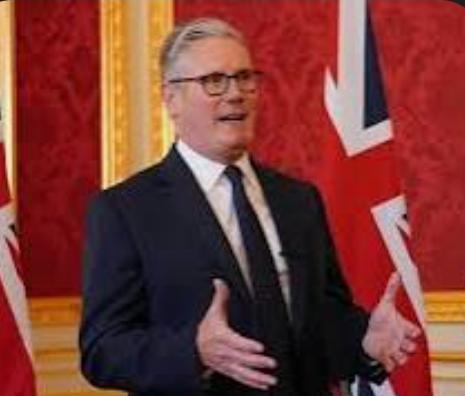
UKUNITED KINGDOM— The administration of Keir Starmer is facing increasing political pressure as a wave of criticism builds from opposition parties, internal factions, and policy stakeholders across the United Kingdom. While Starmer assumed office with a promise of stability and reform, recent developments suggest his leadership is entering a more turbulent phase.
From economic concerns to party unity and public confidence, the Prime Minister now finds himself navigating one of the most politically sensitive periods of his tenure.
Economic Concerns Drive Criticism
One of the central sources of pressure stems from ongoing economic challenges. Rising living costs, public sector wage disputes, and concerns over fiscal strategy have triggered renewed scrutiny of the government’s economic direction.
Critics argue that while the government has outlined plans to stabilize growth, many households are yet to feel meaningful relief. Questions have also been raised about taxation policies and public spending priorities, particularly in sectors such as healthcare and education.
Opposition figures have seized on these concerns, accusing the government of failing to deliver swift and tangible improvements. Some have called for more aggressive intervention to address inflation and support vulnerable populations.
Opposition Parties Intensify Attacks
Political rivals have become increasingly vocal in their criticism of Starmer’s leadership. Members of opposing parties have challenged both the pace and effectiveness of recent policy decisions, framing them as insufficient in the face of mounting national issues.
Debates in Parliament have grown more heated, with opposition leaders questioning the Prime Minister’s strategy on key matters, including economic recovery and public service reforms.
While Starmer has defended his government’s approach as “responsible and long-term,” critics continue to push for immediate results, arguing that public patience may be wearing thin.
Internal Party Tensions Surface
Beyond external criticism, Starmer is also contending with internal divisions within the Labour Party. Reports of disagreements among party members over policy direction and ideological priorities have added another layer of complexity to his leadership.
Some members are advocating for more progressive reforms, while others support a more centrist approach aimed at maintaining broad electoral appeal. This balancing act has proven challenging, with occasional public disagreements highlighting underlying tensions.
Political analysts suggest that maintaining party unity will be critical for Starmer as he seeks to push forward his legislative agenda.
Policy Decisions Under the Spotlight
Recent policy announcements have also come under intense examination. From public service funding to immigration and infrastructure planning, several key decisions have sparked debate among stakeholders and the public.
Supporters argue that the government is taking a measured and pragmatic approach, focusing on sustainable solutions rather than short-term fixes. However, detractors contend that some policies lack clarity or urgency, potentially undermining public confidence.
Starmer has repeatedly emphasized that his administration is committed to “delivering for working people” and ensuring long-term national stability. In a recent statement, he noted that leadership requires “making tough decisions in the national interest, even when they are not immediately popular.”
Public Sentiment and Media Scrutiny
Public opinion appears to be increasingly divided. While some voters continue to support Starmer’s steady leadership style, others are expressing frustration over the pace of change.
Media coverage has intensified in recent weeks, with analysts closely examining every policy move and political development. Headlines have highlighted both achievements and setbacks, contributing to a narrative of mounting pressure around the Prime Minister.
The role of public perception cannot be understated, as shifting sentiment may influence both political momentum and future electoral outcomes.
Challenges Ahead for the Prime Minister
Looking ahead, Starmer faces a series of critical tests that could define the trajectory of his leadership. Key issues include:
Delivering measurable economic improvements
Managing internal party cohesion
Responding effectively to opposition criticism
Maintaining public trust and confidence
Each of these challenges requires careful navigation, particularly in a political environment where expectations remain high.
A Defining Moment in Leadership
For Keir Starmer, the current wave of political pressure represents both a challenge and an opportunity. Successfully addressing these issues could reinforce his leadership credentials and strengthen his government’s position.
However, failure to effectively respond may deepen existing criticisms and create further instability within both the government and his party.
As the situation continues to evolve, all eyes remain on Downing Street to see how the Prime Minister adapts to the growing demands of leadership in a complex and rapidly changing political landscape.
The mounting pressure on Keir Starmer underscores the realities of governing in a time of economic uncertainty and political division. With scrutiny intensifying from multiple fronts, the coming months are likely to play a crucial role in shaping both his leadership and the broader direction of the United Kingdom.
Whether Starmer can turn these challenges into opportunities remains to be seen—but one thing is clear: the stakes have never been higher.