
Resident Doctors’ Strike Disrupts Emergency Services in Bedfordshire Hospitals

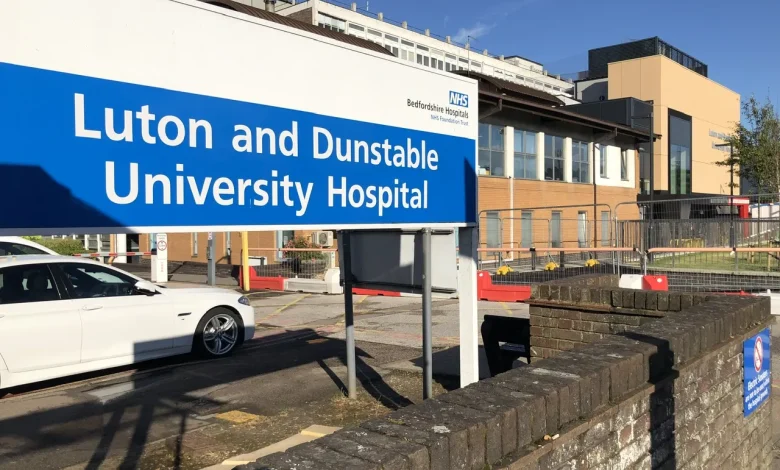
Patients in Bedfordshire are being warned to expect major disruptions at hospital emergency departments after resident doctors launched a multi-day strike, forcing health services to scale back routine care.
Luton and Dunstable University Hospital has told patients that its emergency department will only treat the most serious and life-threatening cases while the industrial action continues.
In a public notice shared by the hospital, officials said resident doctors would be on strike until 13 April, which will severely affect normal services. During this period, emergency teams will focus strictly on critical cases such as severe trauma, strokes, heart attacks and other urgent medical emergencies.
Patients arriving with less serious conditions will be redirected to other healthcare services.
Hospital administrators urged members of the public to avoid the emergency department unless necessary and instead seek help through alternative channels, such as NHS 111, their local GP, or a nearby pharmacy.
The warning comes amid a wider wave of industrial action across the National Health Service, where resident doctors have been locked in a long-running dispute with the government over pay and working conditions.
Doctors involved in the strike argue that their real-term earnings have significantly declined over the past decade due to inflation and pay freezes. Many say the situation has pushed medical staff to the brink, with increasing workloads, staff shortages and burnout affecting hospitals nationwide.
Health leaders say the strike could have a significant knock-on effect on patient care. Elective procedures, routine appointments and some diagnostic services are likely to face delays as hospitals divert available staff to emergency departments and critical care units.
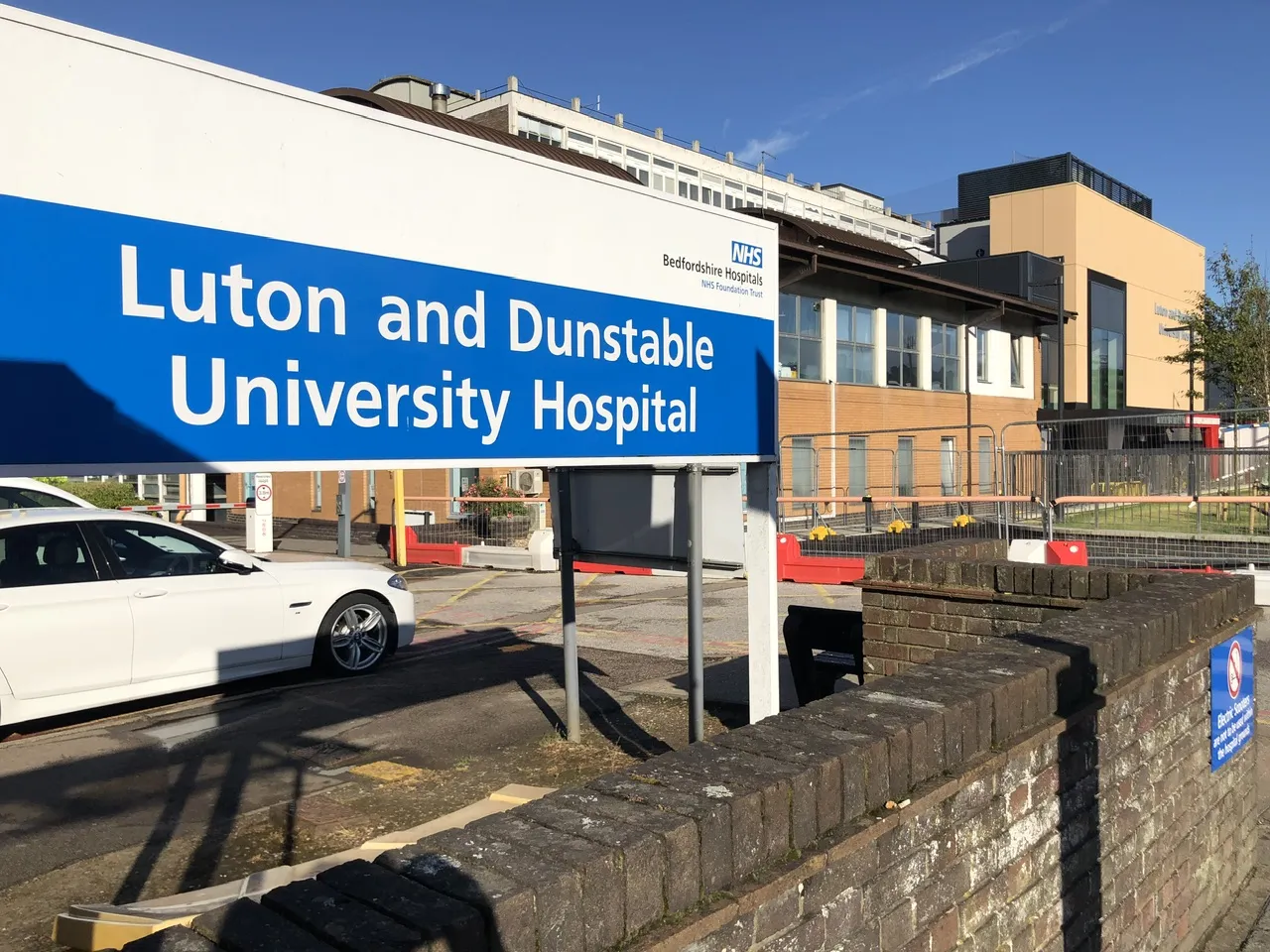
The situation has forced many NHS trusts to activate contingency plans designed to maintain essential services during industrial action. These plans typically involve prioritising emergency care, postponing non-urgent procedures and bringing in senior doctors to cover gaps left by striking staff.
At Luton and Dunstable University Hospital, officials say patient safety remains their top priority, but they have warned that waiting times may increase significantly.
Residents are being urged to use emergency departments responsibly and only attend if their condition is genuinely serious. For non-urgent health concerns, the NHS says services like pharmacists, GP practices and the NHS 111 helpline can provide advice and treatment without the long wait often seen in emergency rooms.
The strike is the latest sign of the mounting pressure facing the UK healthcare system, where staffing shortages and industrial disputes have repeatedly disrupted services in recent years.
For patients in Bedfordshire and surrounding areas, the message from health authorities is clear: unless it’s a genuine emergency, it may be best to seek help elsewhere until the strike ends.