
Tinubu, Starmer Hold High-Level Talks in London to Strengthen Nigeria–UK Economic Ties

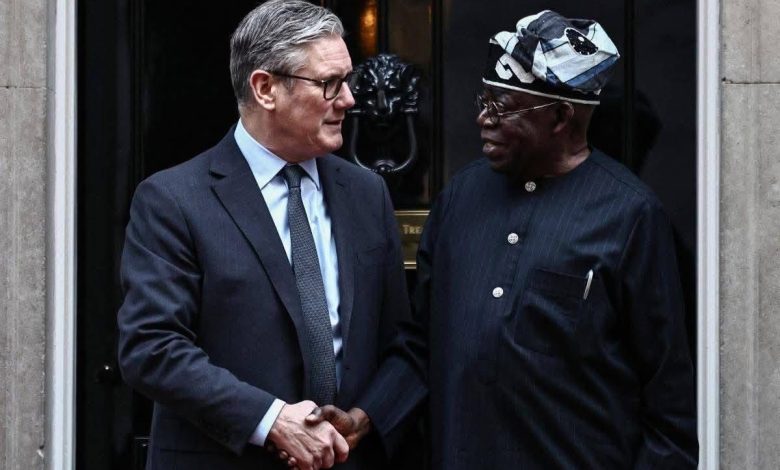
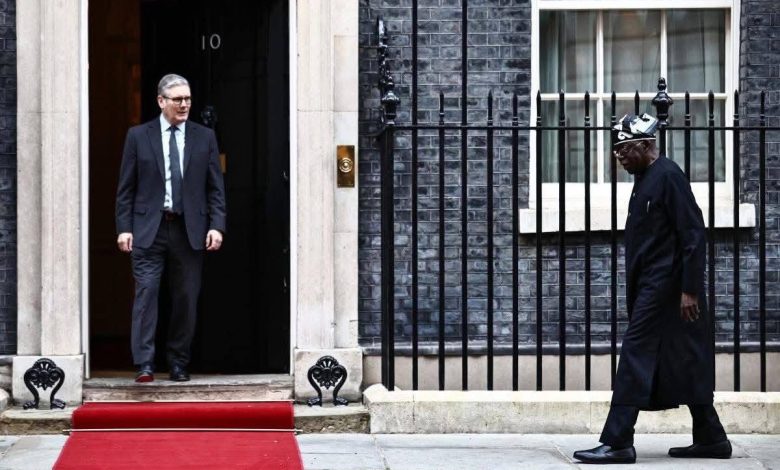

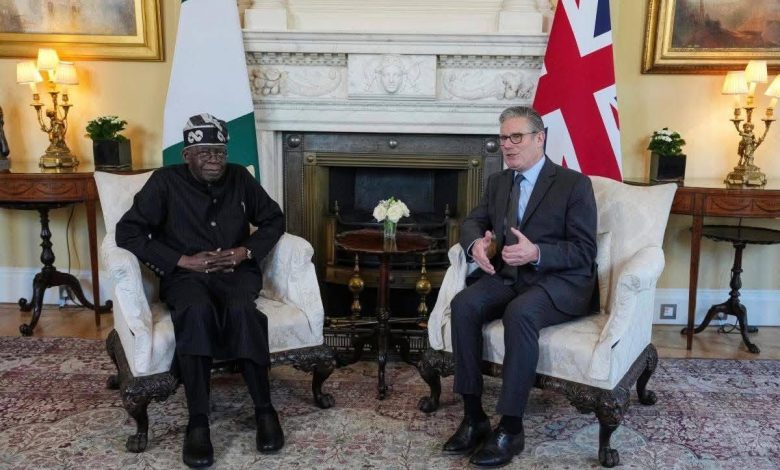
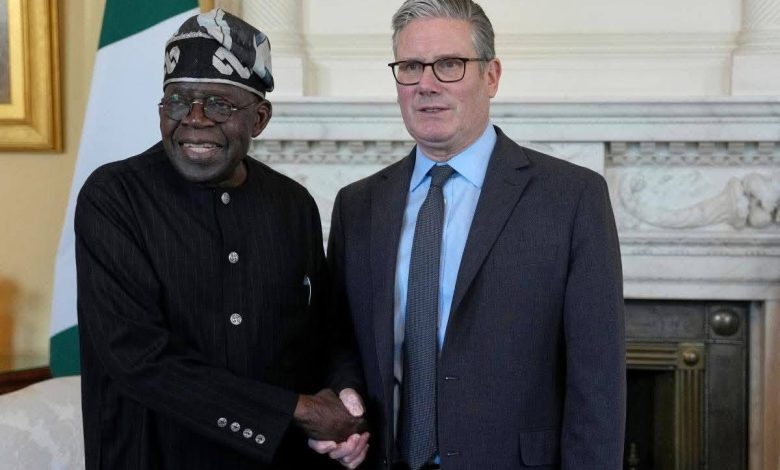
President Bola Tinubu held a high-level meeting with UK Prime Minister Keir Starmer at 10 Downing Street in London, marking a significant step in strengthening diplomatic and economic relations between Nigeria and the United Kingdom.
The meeting comes at a time when both nations are seeking to deepen cooperation across critical sectors, including trade, investment, security, education, and climate development. Against the backdrop of record bilateral trade—now estimated at over £8 billion annually—the discussions focused on translating strong economic ties into tangible benefits for citizens in both countries.
At the heart of the talks was a renewed commitment to expand investment flows into Nigeria, particularly in manufacturing, infrastructure, and technology. President Tinubu emphasised Nigeria’s readiness to welcome British investors, highlighting ongoing economic reforms to improve the ease of doing business, stabilise the currency, and boost investor confidence. He noted that Nigeria’s large population, growing middle class, and strategic position in Africa make it an attractive destination for long-term investment.
Prime Minister Starmer, in response, reaffirmed the UK’s interest in building a modern economic partnership with Nigeria—one that goes beyond traditional trade and focuses on innovation, sustainability, and inclusive growth. He pointed to opportunities for British companies in Nigeria’s fast-growing fintech ecosystem, renewable energy projects, and agribusiness value chains.
Security cooperation also featured prominently in the discussions. Both leaders acknowledged the importance of tackling regional instability, terrorism, and organised crime, particularly in West Africa. The UK pledged continued support in intelligence sharing, capacity building, and defence collaboration to help Nigeria address its security challenges and promote stability in the region.
In the area of education, the leaders explored ways to strengthen academic partnerships between Nigerian and UK institutions. This includes expanding scholarship opportunities, student exchange programs, and joint research initiatives in fields such as technology, healthcare, and engineering. The goal is to equip Nigerian youths with globally competitive skills while fostering knowledge exchange between both countries.
Climate change and sustainable development were also key agenda items. As Nigeria seeks to transition to cleaner energy sources while maintaining economic growth, the UK has expressed its willingness to support green initiatives through financing, technical expertise, and partnerships in renewable energy projects, including solar and wind.
Observers note that the meeting signals a shift toward a more strategic and forward-looking partnership between Nigeria and the UK. Rather than focusing solely on historical ties, both countries appear committed to building a relationship anchored in mutual economic benefit, innovation, and shared global interests.
As both leaders concluded their talks, they shared a clear understanding that the meeting’s success would depend on implementation. With several agreements expected to follow, stakeholders will be watching closely to see how these commitments translate into real-world impact—jobs created, businesses expanded, and lives improved.
If sustained, the strengthened engagement between Nigeria and the United Kingdom could redefine bilateral relations for a new era, positioning Nigeria as a key partner for the UK in Africa and opening fresh pathways for economic growth and global collaboration.