US Strikes Iran’s Biggest Bridge, Threatens More Attacks if Ceasefire Proposal is Rejected.

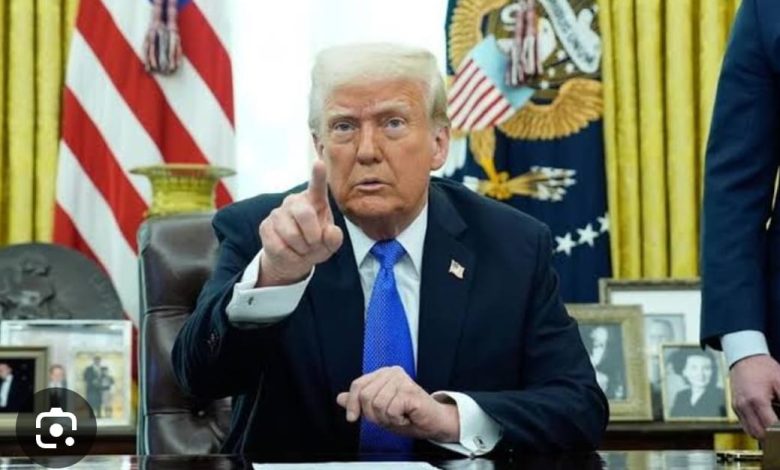
The conflict between the US and Iran has escalated, with US President Donald Trump announcing a major strike on Iran’s biggest bridge, claiming it was part of efforts to pressure Tehran into accepting a ceasefire proposal. Trump stated that similar strikes will follow if Iran refuses to accept Washington’s proposal, aiming to end the ongoing war.
The Strait of Hormuz, a critical waterway carrying about a fifth of global oil and liquefied natural gas, has been virtually closed by Iran, pushing up energy costs and weighing on Trump’s sagging approval ratings. The conflict has led to soaring energy prices, with Brent crude oil prices surpassing $100 per barrel for the first time in four years, rising to $126 per barrel at its peak.
The US and Israel initiated coordinated airstrikes on Iran on February 28, targeting military facilities, nuclear sites, and leadership, resulting in the death of Supreme Leader Ali Khamenei. Iran responded with missile barrages on Israeli cities and US bases in the Gulf, including in the UAE, Qatar, and Bahrain, causing casualties and infrastructure damage.
The international community is watching the situation closely, with the UK hosting a meeting of 35 nations to discuss reopening the Strait of Hormuz. The conflict has disrupted global energy supplies, with oil prices jumping 10-13% in early trading. Analysts warn that prices could reach $100 per barrel or higher if disruptions persist.
Iran has denied Trump’s claim that its “new regime president” requested a ceasefire, calling it “false and baseless”. The US is considering a ceasefire in exchange for the reopening of the Strait of Hormuz, a critical global shipping route.
The conflict has had significant economic implications, with the restriction of shipments by more than 90% raising energy and agricultural input costs worldwide. The crisis has been described as the largest disruption to the energy supply since the 1970s oil crisis and the largest in the history of the global oil market.