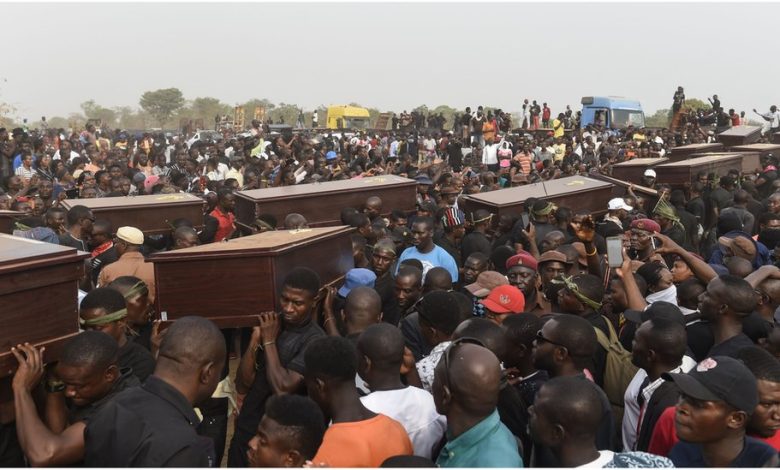
The coordinated attacks on the Woro and Nuku villages in the Kaiama Local Government Area of Kwara State have left over 160 people dead. This makes it one of the worst attacks Nigeria has seen so far this year.
As of Wednesday afternoon, the death toll was at 162, said Mohammed Omar Bio, the lawmaker for the area. He explained that the attacks happened on Tuesday. They were done by the Lakurawa, an armed group that people think is linked to the Islamic State. Though no group has said they were responsible.
People who live in the area said that the gunmen came into the villages, gathered people together, tied their hands, and then killed them. The attackers also burned down houses and stores.
Sa’idu Baba Ahmed, a politician in Kaiama, said that many people ran into the nearby bushes with gunshot wounds. Several people are still missing, including the village leader.
People who live there told reporters that the attackers were jihadists. These attackers had earlier preached in the villages, wanting the villagers to abandon the Nigerian government and follow sharia law. When the villagers refused, the gunmen started shooting.
AbdulRahman AbdulRazaq, the Governor of Kwara State, spoke out against the killings, describing them as a “cowardly” act by terrorist groups. He believes that these groups are reacting to stronger military action in the area.
To give a bit more background, understanding the ongoing conflict in Nigeria is important to grasp the weight of the described incident, because this isn’t just a standalone event. Nigeria has been struggling with violence for a long time, which is influenced by many things, such as religious beliefs, ethnic tensions, and fights over resources like land and water. Islamic groups such as Boko Haram and other similar organisations have been very active, especially in the northern parts of the country. They often do attacks that affect not only the immediate victims but also the stability and security of the entire nation.
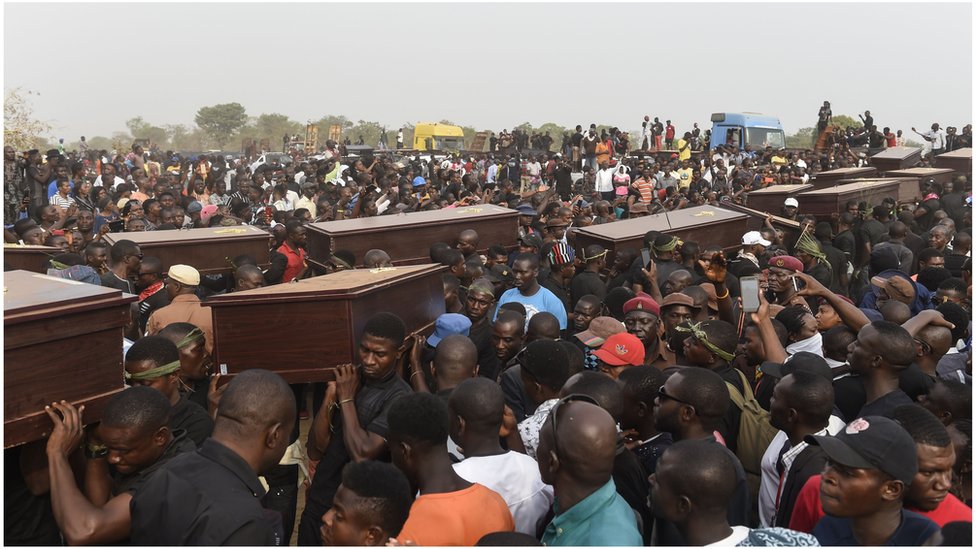
Also, it’s important to consider what this situation means for the people living in these communities. Think about the fear and uncertainty they must feel daily. Losing family members, homes, and a sense of safety can have very bad long-term effects on their mental and emotional health. A lot of times, people are forced to leave their homes and become refugees in their own country, living in camps or with relatives, struggling to get basic needs like food, shelter, and medical care.
The response from the government and international groups is also something to think about. Things like this put pressure on the government to protect its people and bring those responsible to justice. People both inside and outside Nigeria are watching closely to see how the government handles things and if they can stop future attacks. International organisations may offer aid in the form of money, humanitarian help, and advice on how to handle problems like terrorism, helping refugees, and encouraging discussions for peace.
Lastly, it is critical to look at what might happen next. If the reasons behind these attacks aren’t addressed, the violence could get worse. Finding long-term answers involves more than just military actions, which include dealing with the underlying problems like poverty, not having fair chances, and feelings of being left out. It needs cooperation and trust-building among all the different groups in Nigeria to prevent future events and start the healing process in communities that have been hurt.