Iran Rejects U.S. Ceasefire Again: Demands Sanctions Lift & Hormuz Guarantees.

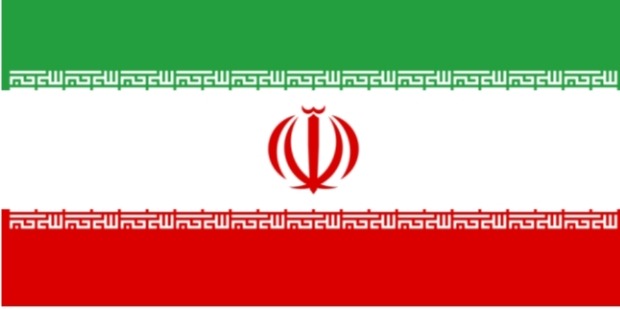
Iran has once again turned down a ceasefire proposal backed by the United States, making it clear that it wants a more permanent resolution to the conflict, not a temporary pause in the fighting. The rejection comes as diplomatic activity intensifies and tensions continue to rise across the Middle East.
According to state media in Iran, officials in Tehran declined the latest U.S.-supported truce offer and instead outlined conditions they believe must be met before the war can truly end.
Among the key demands are a complete halt to hostilities in the region, a formal framework guaranteeing safe navigation through the strategic Strait of Hormuz, and the lifting of international sanctions imposed on the country.
The move highlights Tehran’s firm stance against short-term ceasefire deals, even as global pressure mounts for both sides to step back from the brink.
Meanwhile, Donald Trump described a separate proposal for a 45-day truce as a “very significant step.” However, the White House later clarified that the President has not formally approved any ceasefire agreement.
The mixed messaging reflects what diplomats describe as a frantic push behind the scenes to prevent the crisis from spiraling further. According to reports from the BBC, urgent last-minute diplomacy is accelerating, though major disagreements remain over how the fighting should be halted and what steps should come first.
Complicating the situation further, Israel announced it had carried out a strike on a major Iranian petrochemical facility, claiming the site accounts for roughly half of Iran’s petrochemical production — a move that could inflame tensions even more.
Earlier reports had already indicated that Tehran rejected a 48-hour ceasefire offer from Washington. The proposal, according to Fars News Agency, was delivered through an unnamed intermediary country.
At the same time, Trump claimed Iran’s leadership had sought a ceasefire but insisted that any U.S. response would depend on conditions in the Strait of Hormuz, one of the world’s most important routes for global oil shipments.
Iran, however, has signaled it would only consider ending the war if strong guarantees are put in place to prevent future attacks. Iranian President, Masoud Pezeshkian said the country is willing to end the conflict, but only under conditions that ensure lasting stability.
During a phone call with António Costa, Pezeshkian said Iran has the “necessary will” to stop the war — but warned that any agreement must include firm assurances to prevent the conflict from starting again.
The growing exchange of accusations and competing narratives between Washington and Tehran has only deepened uncertainty about whether peace talks can succeed — with the future of the region, and the vital Strait of Hormuz, hanging in the balance.