Uncertainty and Resilience: Reflections on the Shooting at the White House Correspondents’ Dinner

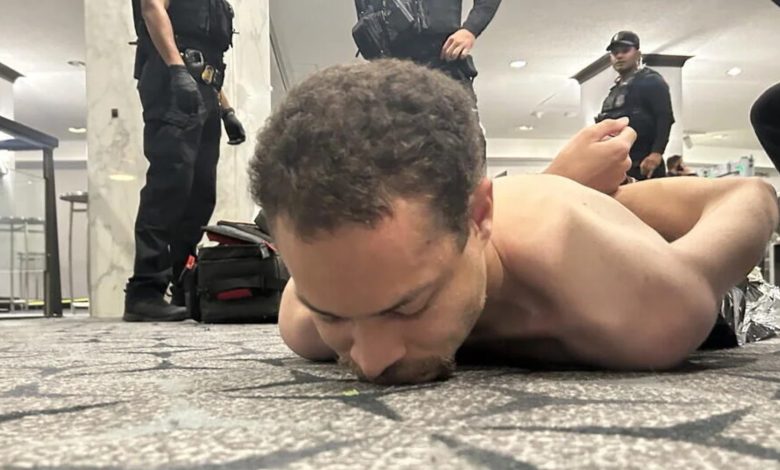
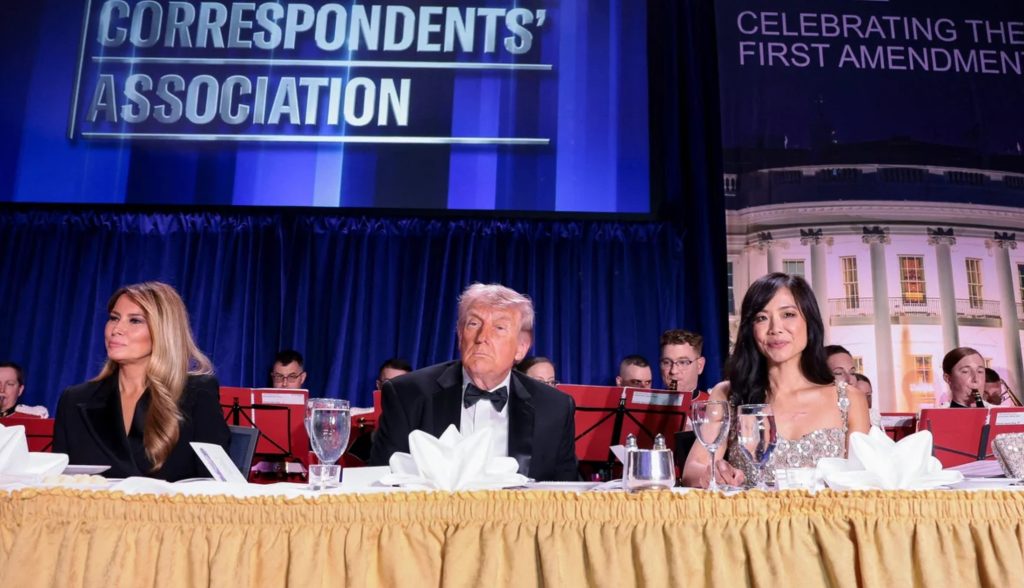
On a night typically reserved for humour, camaraderie, and reaffirming the First Amendment, chaos erupted at the White House Correspondents’ Dinner when shots were fired outside the ballroom of the Washington Hilton Hotel.
The incident occurred just after 8:30 PM ET on Saturday, prompting immediate action from law enforcement and Secret Service personnel, who ensured attendees’ safety and swiftly apprehended the suspect.
The suspect, identified as 31-year-old Cole Tomas Allen of Torrance, California, was arrested after allegedly charging a security checkpoint armed with a shotgun, a handgun, and several knives.
Fortunately, alert Secret Service agents acted promptly, preventing what could have been a far worse tragedy. A Secret Service officer was shot at close range but, thanks to his bulletproof vest, is expected to recover.
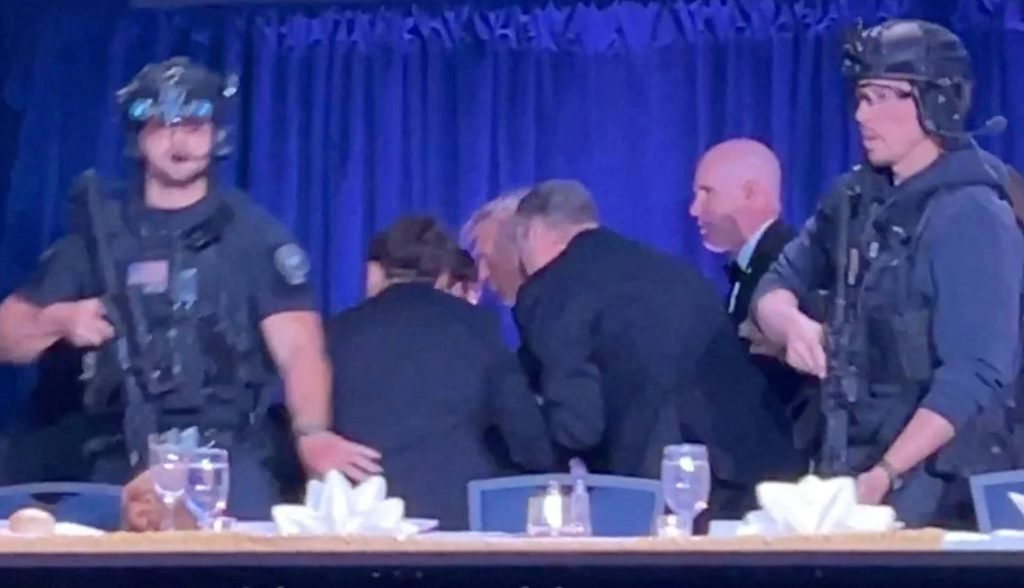
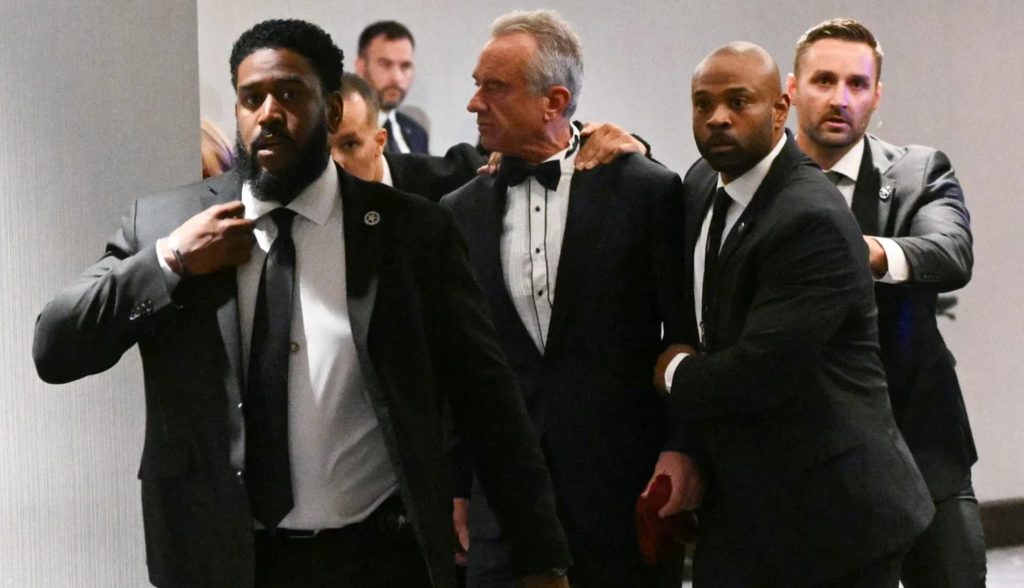
In the aftermath, President Donald Trump, who was present at the event with First Lady Melania Trump, was safely evacuated. In a press conference following the incident, Trump praised law enforcement for their swift action and extended his condolences and prayers to the affected individuals. “We have to resolve our differences,” he emphasised, highlighting the importance of unity in these challenging times.
The challenges posed by political violence have become increasingly pronounced over the years. Following the shooting, Trump addressed the nation, asserting, “The presidency is a dangerous profession,” reflecting on the accumulating threats faced by public officials. He emphasised that these issues transcend national borders, warning that “no country is immune” to political violence and extremism.
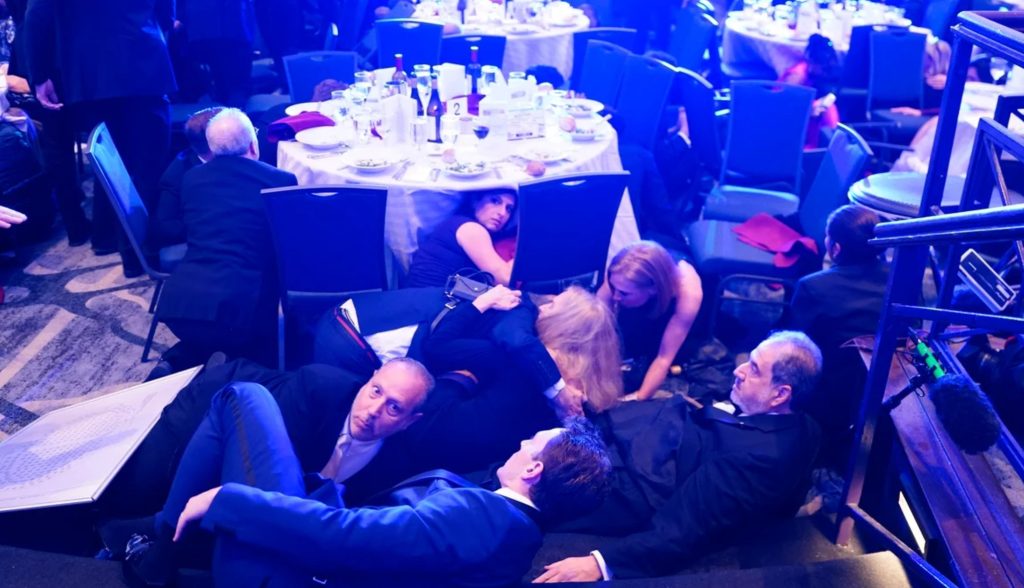
Witness accounts from the dinner paint a picture of sheer panic and chaos as guests sought shelter under tables. Weijia Jiang, the president of the White House Correspondents’ Association, who was seated near Trump, expressed her fears for her family present that night. “Nobody should have to feel scared to be anywhere in a public place,” she remarked, underscoring the need for vigilance in protecting democratic freedoms.
Authorities confirmed that Allen had specifically communicated a desire to target Trump administration officials, though it remains unclear whether he intended to harm the President himself. D.C. interim police chief Jeffrey Carroll noted that, at this time, Allen is the only suspect involved in this incident and that investigations are actively ongoing to determine further details of his motives.
In the wake of this harrowing event, officials, including U.S. Attorney Jeanine Pirro, indicated that charges would soon be filed against Allen, starting with the use of a firearm during a crime of violence and assault on a federal officer using a dangerous weapon. Law enforcement is expected to explore the full breadth of accusations that might stem from this alarming episode.
As the investigation continues, the broader implications of this incident resonate, igniting discussions on the safety of public gatherings, the current political climate, and the vital importance of protecting First Amendment rights.
The White House Correspondents’ Dinner is a space meant to celebrate journalistic freedom and the essential role of the press in democracy. It serves as a sobering reminder of the tenuous balance between celebration and vulnerability in a nation increasingly fraught with political strife.
In the end, the night was marked not just by fear, but by resilience. As Trump indicated, the need for unity, understanding, and peace remains paramount as Americans navigate these tumultuous times.
The rapid response of security forces has thankfully prevented catastrophe, but the fundamental question remains: how do we foster a society where such fears are diminished, and the sanctity of public space is uncompromised?
The Defendant will be arraigned in court on Monday, April 27, according to Jeanine Ferris Pirro, United States Attorney and Interim U.S. Attorney.