The Nigerian Presidency has defended the reported killing of ISWAP Commander Abu-Bilal Al-Manuki, insisting that the operation was real, intelligence-driven, and properly verified before execution.
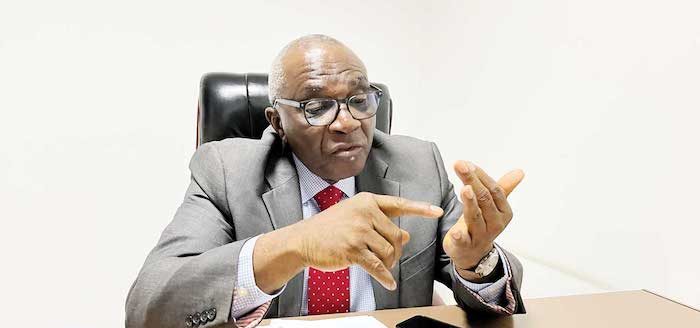
Presidential spokesman Bayo Onanuga said the confusion around the terrorist leader’s death was linked to an earlier error in 2024, when Al-Manuki was wrongly included in a list of insurgents said to have been eliminated during military operations in Kaduna State.
According to him, the earlier report was a case of mistaken identity and did not reflect the actual movements or presence of the ISWAP commander.
Onanuga explained that the latest operation that eventually led to Al-Manuki’s death was not carried out hastily. It was the result of months of coordinated intelligence gathering involving surveillance, communication monitoring, and information from both technical and human sources.
Security agencies reportedly began tracking the suspect as far back as December 2025, following his movements across different regions, including the Abuja axis and parts of the North-East. Officials said the initial goal was to capture him alive to extract further intelligence from him.
The Presidency added that the operation went through multiple stages of verification before approval was granted. Intelligence from various security units was cross-checked, and Al-Manuki’s identity was confirmed beyond doubt before the final strike was authorised.
According to him, authorities are now fully confident that the individual killed in the operation was indeed the wanted ISWAP commander, ending earlier speculation and doubts surrounding his status.
The Presidency acknowledged that scepticism arose due to past incidents in which terrorist figures were mistakenly declared dead, only to reappear later. However, it stressed that such challenges are common in counterterrorism operations, especially in environments where insurgents use multiple identities and operate in difficult terrain.
Onanuga urged the public to rely on verified information from security agencies and avoid premature conclusions that could undermine ongoing military efforts.
He further noted that Nigeria’s counterterrorism operations remain complex and require coordination with international partners, including the United States, especially in tracking high-value targets.
In conclusion, the Presidency maintained that the killing of Abu-Bilal Al-Manuki was a breakthrough in the fight against ISWAP and a product of sustained intelligence work and inter-agency cooperation.