
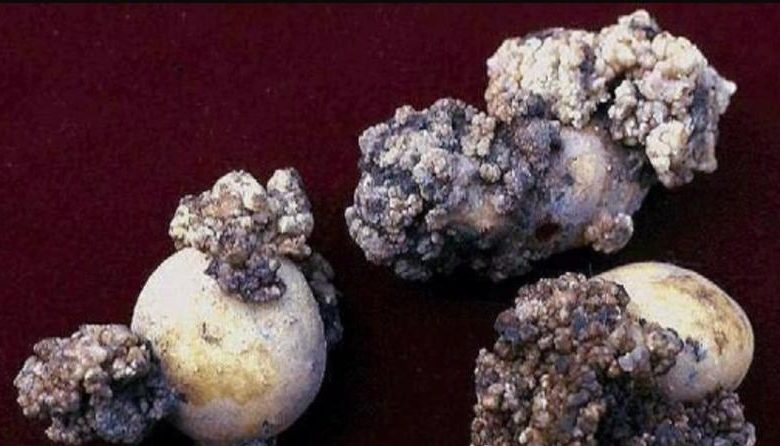
Pressure to maintain the U.S. ban on Prince Edward Island potatoes has intensified this week after a May 22, 2026 update from American lawmakers revived the issue in Washington. The renewed push comes as U.S. senators and potato industry groups argue that existing safeguards are still not enough to prevent the spread of potato wart disease from Canada into the United States.
The controversy centers on Prince Edward Island, where repeated detections of potato wart have led to a years-long trade restriction. On May 22, 2026, members of the U.S. Senate Committee on Finance issued a fresh statement urging the U.S. Department of Agriculture to uphold and expand restrictions on P.E.I. imports. They cited concerns that bulk shipments and retail pack sizes could still pose a risk of transmitting the fungus if not tightly controlled.
The ban itself dates back to November 2021, when the Canadian Food Inspection Agency suspended certification of all potatoes originating from P.E.I. for export to the U.S. The decision followed the discovery of potato wart in two processing fields on the Island in October 2021. The suspension covered seed potatoes, table stock, and potatoes for processing, and remains in effect until further notice.
Potato wart, caused by the fungus Synchytrium endobioticum, is one of the most serious potato diseases globally. It disfigures tubers, slashes yields, and renders potatoes unmarketable. While it poses no threat to human health, the fungus can survive in soil for decades and is extremely difficult to eradicate. U.S. officials consider it a major phytosanitary threat to domestic potato production.
The USDA supported Canada’s suspension in 2021, calling it a necessary step to protect American growers. Agriculture Secretary Tom Vilsack said at the time that the action was required to prevent exposure to the federally designated select agent. Alongside the potato ban, the U.S. added new import rules requiring all used farm machinery from P.E.I. to be cleaned and disinfected before entering the country.
U.S. industry groups, including the National Potato Council and 13 state potato organizations, have continued lobbying for stricter measures. They argue that current Canadian protocols do not fully address the risk, especially since detections occurred in processing fields rather than seed fields. The council warned that if potato wart entered the U.S., the industry could lose access to international fresh potato markets, costing over $225 million in annual sales.
The economic hit on P.E.I. farmers has been significant. The export ban is estimated to have cost the industry more than $50 million in revenue and led to the destruction of 250 million pounds of potatoes. Many growers lost long-term U.S. contracts during the shutdown, with some customers shifting to American suppliers.
Canadian officials and the P.E.I. Potato Board maintain that the risk of spread is negligible. They note that exported potatoes are washed and treated with a sprout inhibitor, and that potato wart has never been transmitted to the U.S. or other Canadian provinces through Island potatoes. The board has called the restrictions politically motivated and said they worsen food waste and drive up prices during global supply shortages.
As of May 2026, the suspension remains in place. The USDA maintains that current measures “thoroughly address the risk,” but the latest update from Capitol Hill shows the issue is far from closed. For P.E.I. growers, the fight to regain full access to the U.S. market continues.
“In addition to Crapo and Wyden, the letter is signed by Senators Boozman (R-Arkansas), Collins (R-Maine), Cramer (R-North Dakota), Daines (R-Montana), Hoeven (R-North Dakota), Ricketts (R-Nebraska), Risch (R-Idaho), Bennett (D-Colorado), Cantwell (D-Washington), Fetterman (D-Pennsylvania), Hickenlooper (D-Colorado), King (I-Maine), Merkley (D-Oregon), Murray (D-Washington), Stabenow (D-Michigan) and Tester (D-Montana).”