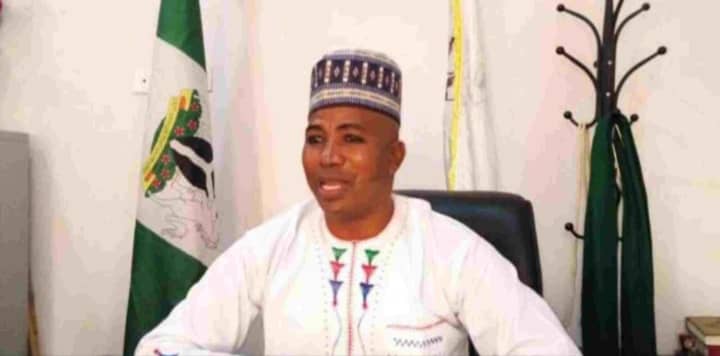
DeniesThe National President of Miyetti Allah Kautal Hore, Bello Bodejo, has pleaded not guilty to a 12-count charge of alleged money laundering and terrorism financing filed against him by the Economic and Financial Crimes Commission (EFCC).
Bodejo was arraigned on Thursday before Justice Inyang Ekwo of the Federal High Court in Abuja over allegations involving the laundering of $2.63 million. The anti-graft agency also accused the Miyetti Allah leader of financing terrorism in what has become another high-profile criminal prosecution involving financial and terrorism-related offences.
At the commencement of proceedings, counsel to the EFCC informed the court that the matter was scheduled for the defendant to take his plea on the charges.
Bodejo’s lawyer, Ahmed Raji (SAN), did not oppose the application, allowing the arraignment to proceed.
After the 12-count charge was read in open court, Bodejo pleaded not guilty to all the counts.
His plea clears the way for the trial to begin, with the prosecution expected to present evidence in support of the allegations while the defence will challenge the charges in line with the law.
Following the plea, Justice Inyang Ekwo adjourned the case for further proceedings.
Although the details of the allegations were not argued during Thursday’s sitting, the charges relate to the alleged laundering of $2.63 million and accusations of terrorism financing brought against the Miyetti Allah leader by the EFCC.
The arraignment marks the latest stage in the anti-graft agency’s prosecution of the case, with the Federal High Court expected to determine the merits of the allegations as the trial progresses.
Under Nigeria’s criminal justice system, every defendant is presumed innocent until proven guilty beyond reasonable doubt by the prosecution.
Thursday’s proceedings were limited to the taking of Bodejo’s plea, as no witnesses were called and no evidence was presented before the court.
With his not guilty plea now entered, the case will proceed to the next phase of trial, where both the prosecution and the defence are expected to present their cases before the court reaches a verdict.