Iran Says Deal on Strait of Hormuz Is Close But Will Not Open Waterway by Itself

Iran said on Saturday, August 8, that it is close to finalising a deal with Oman on a new shipping arrangement through the Strait of Hormuz, but stressed that the agreement alone would not be enough to reopen the strategic waterway for normal traffic.
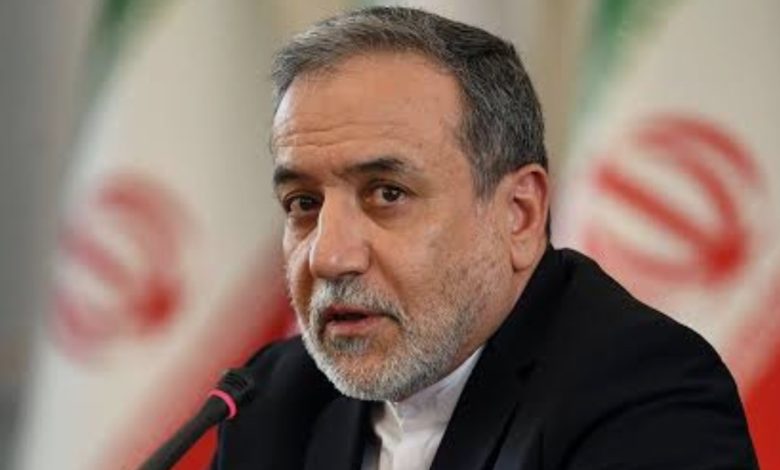
The Iranian Foreign Minister Abbas Araqchi said Tehran and Muscat were “very close” to agreement on the coordinates of a new route through the strait. Deputy Foreign Minister Kazem Gharibabadi added that negotiations spanning more than three weeks had produced broad agreement on proposed inbound and outbound shipping lanes, technical arrangements, and a proposed joint coordination centre to manage maritime traffic.
Under the proposed arrangement, parts of the new inbound and outbound corridors would pass through Iranian waters, a departure from the decades-old system where commercial traffic largely used Omani waters. Temporary routes near Iran’s Larak Island and through Omani territorial waters would close. The route would initially operate for two to four months while technical and legal issues around a permanent corridor are resolved.
However, Iranian officials were quick to temper expectations.
“An agreement between the two countries would not by itself reopen the waterway”, Gharibabadi said, noting that implementation would require a separate decision by Iran’s senior leadership. Foreign Ministry spokesman Esmaeil Baghaei said any joint announcement was in the final stages “provided that certain third parties do not obstruct the process”.
Araqchi said reopening the strait depends on “other conditions, including U.S. compensation to Iran”. Baghaei blamed the closure on “the United States’ breach of its commitments, its naval blockade of Iran, and all the hostile measures” taken against Tehran, and said, “an understanding between Iran and Oman on a new route has nothing to do with whether the Strait of Hormuz is reopened or remains closed”.
Why the Strait Matters
The Strait of Hormuz sits between Iran and Oman and carries about a fifth of the world’s oil and gas shipments. Traffic through the waterway has been largely disrupted since the outbreak of war on February 28 following U.S. and Israeli attacks on Iran.
Iran has said it wants control over inbound shipping and visibility over outbound traffic, with the ability to intervene if necessary. A senior Iranian source told Reuters Tehran had shown flexibility by moving from an initial demand for full control in both directions.
A U.S. official said on Friday that Washington anticipated an agreement soon between Iran and Oman so normal oil traffic could resume. President Donald Trump has also said a deal to reopen the strait is close.
Ongoing Tensions
The UAE said on Saturday that Iran had attacked a carrier affiliated with its state oil company with a missile as it transited the Strait of Hormuz, with no injuries reported. There was no immediate comment from Iranian authorities.
Analysts note that even if a deal is signed, questions remain over whether Iran’s Islamic Revolutionary Guard Corps will abide by it. The IRGC was accused of breaching a June agreement by shooting at ships in the strait.
Oil futures ended little changed amid the uncertainty. “The deal to open the Strait of Hormuz just got closer to reality,” said Mizuho’s Robert Yawger, adding that the biggest question is IRGC support.
Muscat did not immediately comment on the negotiations.
The strait has been regarded for decades as an international waterway, though it lies in the territorial waters of both Iran and Oman. Any lasting Iranian control with formalities and fees would add costs and risks to shipping.