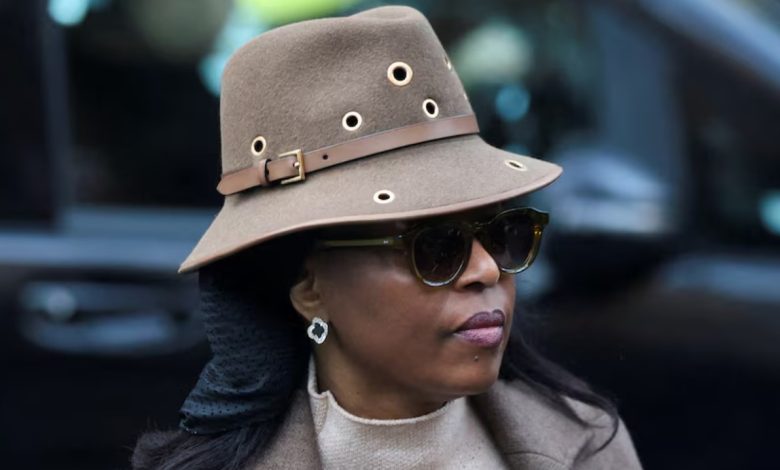
Former Nigerian petroleum minister Diezani Alison-Madueke was acquitted on Wednesday, June 17, by a London jury of all six bribery charges after a rare, high-profile corruption trial.
The not-guilty verdicts are a major setback for UK authorities, whose investigation into Alison-Madueke began more than a decade ago. After 46+ hours of deliberation, the jury at Southwark Crown Court cleared her of five counts of accepting bribes and one count of conspiracy to commit bribery.
Alison-Madueke, 65, served as Nigeria’s minister for petroleum resources from 2010 to 2015 under President Goodluck Jonathan and briefly as president of OPEC. Prosecutors alleged she received “a life of luxury” in London — including £100,000 cash, private jets, chauffeur-driven cars, and use of high-end properties — from oil and gas figures seeking contracts with NNPC.
Alison-Madueke denied all allegations. She told jurors she never asked for or took bribes and had limited influence over contract awards, describing herself as a “rubber stamp” in a layered bureaucracy. Her lawyers argued spending cited by prosecutors was reimbursed by the Nigerian state or herself, and that key defence records had “disappeared” after the 11-year delay.
Co-defendants oil executive Olatimbo Ayinde and her brother Doye Agama also denied charges and were acquitted by the jury.
Will She be Tried in Nigeria?
Yes, charges remain pending in Nigeria. The EFCC confirmed it “has not dropped the charges” against Alison-Madueke for money laundering. In 2017, Nigerian courts seized properties worth several million dollars linked to her, and asset forfeiture cases are still active.
However, the Federal Government previously said she must face UK charges first. The AGF noted there was “no need to bring the former minister to Nigeria since the British government was already investigating her,” and that she should face charges there before appearing as a witness in any Nigerian case.
SERAP has also urged UK authorities to extradite her to Nigeria for trial, but for now, her UK bail conditions remain, and Nigeria’s cases continue separately.