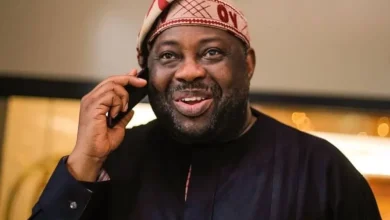
Biya’s New Power Move Sparks Outrage as Cameroon Creates Vice-President Role.

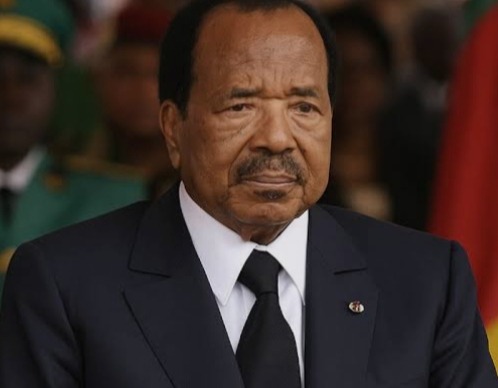
After more than four decades in power, Paul Biya, the long-serving President of Cameroon and the world’s oldest sitting head of state, is set to appoint a vice-president — a position that hasn’t existed in the country for over 50 years. The move follows controversial constitutional amendments recently approved by parliament.
Under the new arrangement, if anything happens to the 93-year-old leader while in office, the vice-president will automatically assume the presidency and complete the remainder of the term before a fresh election is conducted.
The vice-presidential office was originally scrapped in 1972. Since then, the constitution provided that the president of the Senate would temporarily step in if the head of state died or became unable to govern, but only until new elections were organised.
Critics, however, say the latest amendments were rushed through parliament and designed primarily to tighten the ruling party’s grip on power. Even within the governing camp, there were murmurs of concern — with one senator from Biya’s own party reportedly describing the process as “suspicious.”
For years, speculation about the president’s health has circulated privately. Yet in Cameroon, openly questioning the health of the leader is largely considered taboo. On several occasions, Biya has reappeared in public after lengthy absences, effectively shutting down rumours that he had died.
The constitutional amendment passed during a joint session of parliament on Saturday, with 200 lawmakers voting in favour, 18 against and four abstaining. The bill now awaits the president’s formal signature to become law.
Supporters of the reform argue that introducing a vice-president will strengthen governance by ensuring continuity whenever someone must represent the president. They also say it will relieve the Senate of succession responsibilities so it can focus fully on its legislative duties.
Previously, the constitution only allowed the Senate President to serve briefly as acting leader if the sitting president died or was incapacitated, after which a national election would be organised.
The new amendment changes that arrangement significantly. It states that the vice-president — who will be appointed directly by the president rather than elected — will automatically become head of state and serve out the remainder of the seven-year presidential term.
Opposition parties say the proposal was introduced without proper national consultation. Members of the Social Democratic Front (SDF), which holds six seats in parliament, boycotted the vote altogether.
The party had pushed for a different arrangement where the vice-president would run on the same ticket as the president and be elected alongside him. It also argued for constitutional provisions reflecting Cameroon’s linguistic divide between English-speaking and French-speaking regions, suggesting the top two offices should represent both communities — a practice that existed before 1972.
SDF Chairman, Joshua Osih, described the amendment as a squandered opportunity for genuine reform.
Another prominent opposition leader, Maurice Kamto of the Cameroon Renaissance Movement, went further, accusing the ruling party of orchestrating what he called a “constitutional and institutional coup.” He warned that the move could pave the way for what he described as a “republican monarchy,” and announced plans for an online campaign to challenge the decision.
Historically, Cameroon operated a federal system between 1961 and 1972, which allowed both the francophone and anglophone regions considerable autonomy. During that era, the vice-presidential office existed. But after a 1972 referendum transformed the country into a unitary state, the position was abolished.
Biya, who has been in power since November 1982, remains one of the longest-serving leaders in the world. His extended rule has repeatedly fueled debate about succession and the country’s political future.
Even with the vice-presidential position returning, uncertainty still hangs over what Cameroon will look like after Biya. The president secured an eighth term in office last October with 53.7 percent of the vote in an election that opposition figures claim was manipulated.
Now that the constitutional change has been approved, political discussions across the country have shifted to one big question: Who will become Cameroon’s first vice-president in more than half a century?