BREAKING: US Visa Ban Move on Nigeria Sparks Global Concern
Washington signals tough visa restrictions as religious violence debate in Nigeria draws international attention

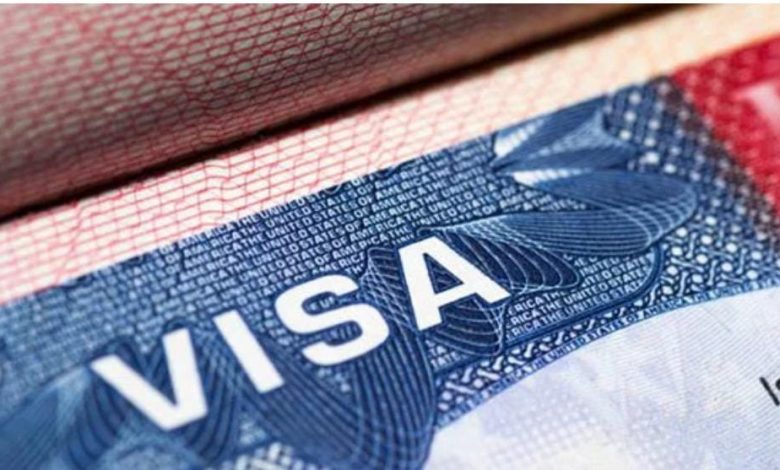
A major diplomatic development is unfolding as the United States moves closer to imposing visa restrictions linked to rising concerns over religious violence in Nigeria.
The proposed action is not a blanket ban, but a targeted visa policy aimed at individuals accused of contributing to or enabling violence tied to religious tensions.
The move is already generating strong reactions both internationally and within Nigeria.
What Triggered the Visa Ban Move?
The decision follows mounting pressure from U.S. lawmakers and human rights advocates who argue that violence affecting religious communities in Nigeria has not been adequately addressed.
Officials in Washington say the new policy is meant to hold perpetrators accountable using immigration tools.
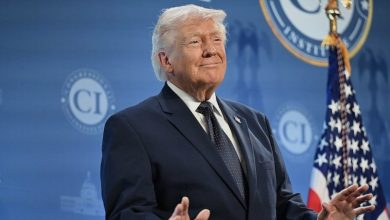
One of the strongest statements came from U.S. Secretary of State Marco Rubio, who made the government’s position clear:
“The United States is taking decisive action in response to the atrocities…”
He further explained that visa restrictions would apply to individuals who:
“direct, authorize, fund, support, or carry out violations…”
This signals a serious escalation in how the U.S. is responding to Nigeria’s security situation.
Not Just Nigeria: A Global Policy Shift
According to U.S. officials, the visa restriction policy is part of a broader strategy that could apply to any country where religious freedom violations are reported.
The focus, however, has intensified on Nigeria due to repeated reports of deadly attacks and growing international concern.
Reports indicate that even family members of affected individuals could face travel restrictions under the policy.
Nigeria Pushes Back Strongly
The Nigerian government has rejected claims that the crisis is purely religious, insisting that the situation is more complex.
Officials argue that violence in the country is driven by a mix of terrorism, banditry, and communal clashes, not targeted religious persecution.
A government spokesperson previously described such claims as misleading, stating they are based on:
“misinformation or faulty data.”
This response highlights the growing tension between both countries over how the crisis is being interpreted.
What This Means for Nigerians
If implemented, the visa ban move could have real consequences:
Increased scrutiny for Nigerian visa applicants
Travel restrictions for certain political or security figures
Possible diplomatic strain between Nigeria and the U.S.
Experts also warn that processing times could become longer as background checks intensify.
The Bigger Picture
This development is more than just immigration policy—it reflects rising global pressure on Nigeria to address insecurity.
While the U.S. frames the issue around religious freedom, analysts say the situation on ground is far more complex, involving multiple armed groups and long-standing conflicts.
Still, the message from Washington is clear:
accountability is now being tied to international mobility.
What Happens Next?
No final list of affected individuals has been released yet, but signals suggest that enforcement could begin soon if concerns persist.
For now, both countries appear headed toward a delicate diplomatic moment that could shape future relations.
The US visa ban move on Nigeria marks a turning point in how global powers respond to internal security crises.
Whether it leads to real policy enforcement or pushes urgent reforms, one thing is certain—
Nigeria is now under a much brighter international spotlight