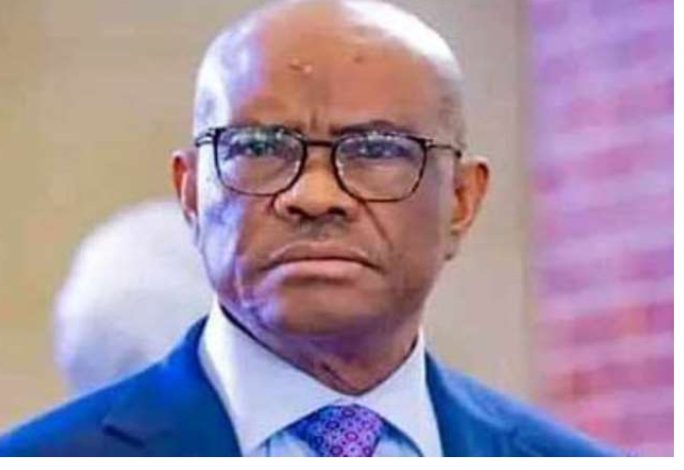
The Independent Broadcast Association of Nigeria has called on Nyesom Wike, Minister of the Federal Capital Territory, to publicly apologise to Seun Okinbaloye of Channels Television over a controversial comment made during a live broadcast. The group warned that if the Minister fails to retract the remark, independent broadcast stations across Nigeria could begin boycotting his media appearances.
The demand follows comments Wike made during an interview on Politics Today, where he reacted sharply to Okinbaloye’s analysis of Nigeria’s democracy. During the exchange, Wike said, “If there was any way to break the screen, I would have shot him,” a remark that quickly sparked criticism.
Although the Minister later explained that the statement was not meant as a literal threat, his aide, Lere Olayinka, described it as “hyperbolic” and taken out of context. However, IBAN insists that such language is unacceptable coming from a public office holder.
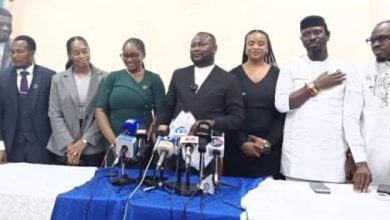
In a statement signed by IBAN Chairman, Ahmed Ramalan and Acting General Secretary, Fidelis Duker, the association warned that remarks suggesting violence could easily be seen as intimidation and may contribute to a hostile environment for journalists.
The group also pointed to growing concerns about press freedom in Nigeria, noting that the country currently ranks 122 out of 180 nations on the global press freedom index, with journalists frequently reporting harassment, surveillance and arrests.
IBAN has urged Wike to withdraw the statement, apologise publicly to Okinbaloye and the wider media community, and reaffirm his commitment to protecting press freedom as guaranteed under Sections 22 and 39 of the 1999 Constitution.
The association warned that if the Minister fails to act within a reasonable timeframe, independent broadcast stations may stop covering his official engagements, including press briefings, conferences and other media events.
According to the group, the move would be aimed at protecting journalists, discouraging inflammatory rhetoric from public officials and ensuring a safer working environment for media professionals — while still keeping the door open for constructive dialogue.